
Minutes of Meeting Example: How to Capture and Maximize Meeting Outcomes
In today’s fast-paced business world, effective meetings are more than just a nice-to-have—they’re essential. Yet many teams still struggle with meetings that lack focus, accountability, and measurable outcomes. One of the most powerful ways to turn meetings into productive, goal-driven sessions is by using well-crafted meeting minutes.
In this post, we’ll show you a real-world minutes of meeting example. We will explain why they matter and walk you through how to create minutes that boost alignment, accountability, and results.
Whether you’re a Director, VP, or C-level executive, this guide is designed to help your team get more out of every meeting—with the help of Meeting For Goals.
Start improving your meetings today with our free meeting templates or sign up now to experience how Meeting For Goals can streamline your workflow.
I. Introduction
A. Why Effective Meetings Matter
For growing companies—especially those with 40 to 70 employees—every meeting is an opportunity to move the business forward. If you’re a Director managing cross-functional collaboration or a VP tracking quarterly performance, meetings are where decisions are made, priorities are set, and progress is measured.
But without structure, meetings often become long, unfocused, and ineffective. That’s where meeting minutes come in. They serve as a roadmap for your team, turning conversations into concrete actions.
When meetings are backed by clear, actionable minutes, your team stays aligned and accountable. You’ll also spend less time chasing updates and more time executing strategy.
B. What This Blog Will Help You Do
This blog isn’t just about what meeting minutes are—it’s about how to use them to drive real business outcomes. We’ll give you a detailed, practical example you can adapt. We will break down the essential elements of great meeting minutes and show you tools that make the process easier.
At Meeting For Goals, we believe meetings should be a strategic advantage—not a time sink. Our software helps high-performing teams run shorter, more focused meetings that tie directly to business goals.
By the end of this post, you’ll know how to turn your meeting minutes into a productivity powerhouse.
2 Minute Video
Watch a 2 minute demo of our meeting management software in action
II. What Are Meeting Minutes?
A. The Basics: What Are They and Why They Matter
Meeting minutes are a written summary of what happened during a meeting. They include key points of discussion, decisions made, and action items assigned. Think of them as the official record—something your team can refer back to when questions arise or when it’s time to follow up.
Here’s why they matter:
- They keep everyone on the same page—even those who missed the meeting.
- They provide a record for future reference.
- They help track accountability and progress.
For executives and department heads, meeting minutes are especially useful for performance reviews, audits, and strategic planning. They offer a snapshot of team priorities and decision-making processes.
B. Why They’re Critical in Today’s Work Environment
With hybrid and remote work becoming the norm, clear communication is more important than ever. Teams are spread across time zones and locations, and not everyone can attend every meeting.
Meeting minutes bridge that gap.
They ensure that everyone—regardless of where they are—has access to the same information. They also reduce misunderstandings and prevent tasks from slipping through the cracks.
In collaborative environments, minutes:
- Provide a shared understanding of what was discussed and decided.
- Create a culture of accountability and transparency.
- Serve as a reference for future meetings or project updates.
According to Harvard Business Review, teams that document and follow up on meetings are significantly more likely to hit their goals. That’s why we built Meeting For Goals to make this process seamless.
Adding an Agenda
How to add an agenda instantly on Meeting For Goals
III. Key Components of Effective Meeting Minutes
A. Essential Details to Include
Start with the basics. Every set of meeting minutes should include:
- Date and time of the meeting
- Meeting location or video link
- Names of attendees and absentees
- Name of the note-taker
These details may seem small, but they provide important context—especially when reviewing past meetings.
B. Agenda Items and Discussion Summaries
Organize your minutes around the meeting agenda. For each item, include:
- A brief summary of the discussion
- Any decisions made
- Supporting data or documents referenced
- Any open questions or follow-ups
This structure keeps your minutes organized and makes it easy to find specific information later.
C. Action Items: The Heart of Your Minutes
This is the most important part. Action items are the tasks that come out of the meeting. Each one should include:
- What needs to be done
- Who is responsible
- When it’s due
- Any resources or dependencies
Action items turn talk into action. Without them, even the most productive meeting won’t lead to results.
Meeting For Goals lets you assign and track action items directly within your minutes. No more lost tasks or forgotten follow-ups—just clear accountability.
IV. Example of Effective Meeting Minutes
A. Sample Format You Can Use
Here’s a fictional example that shows how to structure your meeting minutes effectively:
Meeting Title: Q2 Marketing Strategy Sync
Date: March 15, 2024
Time: 10:00 AM – 11:00 AM
Location: Zoom
Attendees: Sarah (VP Marketing), James (Director of Content), Priya (Digital Marketing Manager), Alex (Product Marketing Lead)
Absent: Rachel (Social Media Manager)
Minutes Recorded By: James
Agenda Item 1: Review of Q1 Campaign Performance
- Sarah shared performance data showing a 12% increase in leads.
- Alex attributed the success to product webinars.
- Decision: Continue webinars in Q2 with a focus on demos.
Agenda Item 2: Q2 Campaign Planning
- Priya proposed a paid social strategy for enterprise clients.
- James suggested aligning content with product launches.
- Action Item: Priya to submit Q2 campaign plan by March 22.
Agenda Item 3: Budget Allocation
- Team discussed reallocating funds from print to digital.
- Decision: Cut print budget by 30% and increase LinkedIn Ads spend.
- Action Item: Sarah to revise budget and share with Finance by March 20.
B. Why This Format Works
This example is clear, concise, and actionable. It includes:
- Meeting context
- Agenda-aligned summaries
- Bolded decisions and action items
To make your own minutes even more effective:
- Use bullet points for clarity
- Keep language simple and direct
- Use consistent formatting
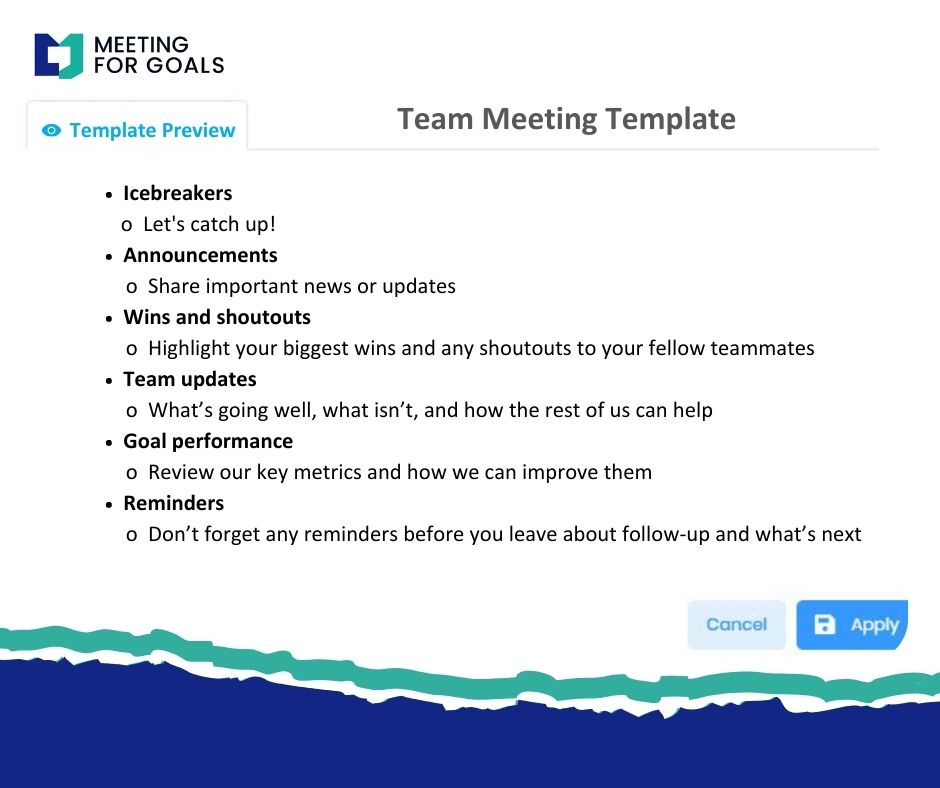
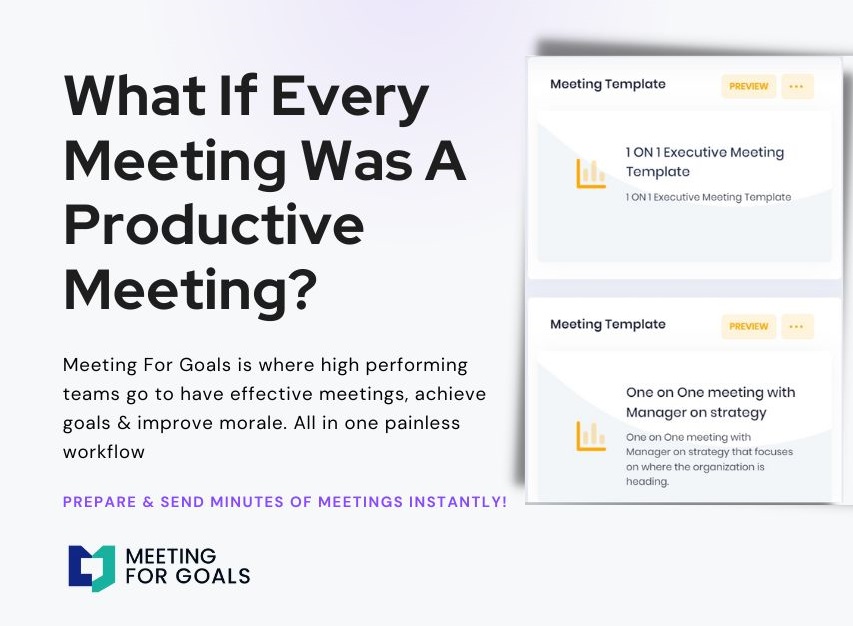
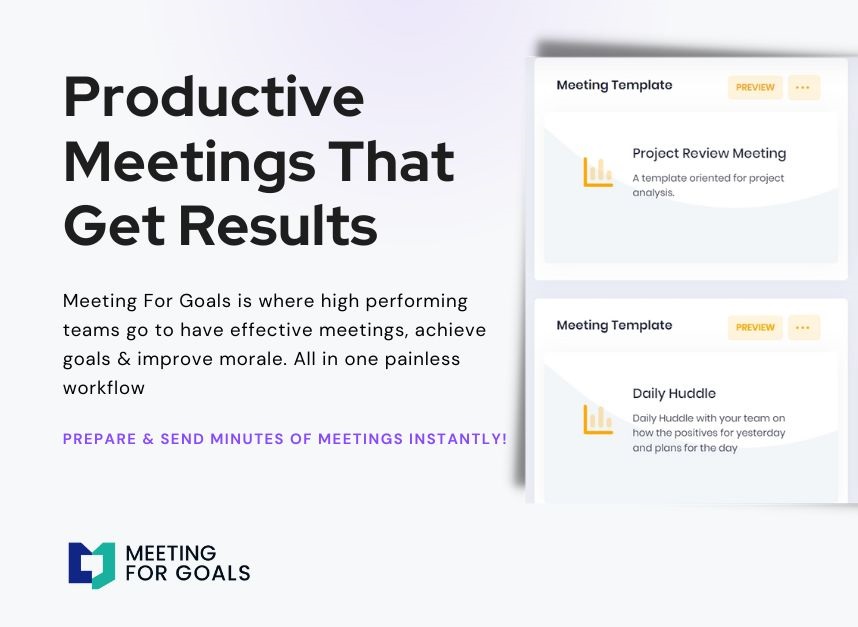
Want ready-made templates? Check out our free meeting templates to get started faster.
V. Tools and Techniques to Streamline Your Minutes
A. Use the Right Software
Forget about juggling Google Docs, emails, and spreadsheets. Meeting management software like Meeting For Goals makes it easy to:
- Create and share agendas
- Record minutes in real time
- Assign and track action items
- Integrate with calendars and tools like Slack or Trello
- Access searchable archives
All of this is built into our platform, helping you run meetings that actually move the needle.
B. Tips for Better Note-Taking
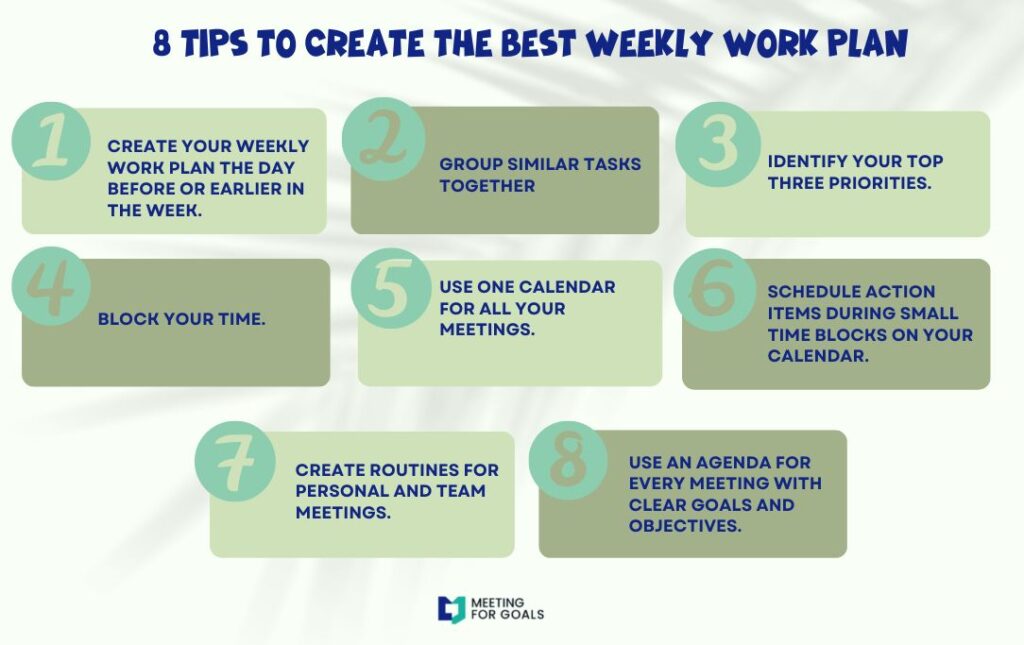
Even with great tools, effective minutes start with solid note-taking. Here’s how to do it right:
- Prepare by reviewing the agenda and background docs
- Focus on capturing key points, not every word
- Clarify unclear items during the meeting
- Finalize the minutes while the meeting is still fresh
Pro tip: Use shorthand or abbreviations to save time. Then clean it up after the meeting before sharing.
For more note-taking tips, check out this guide from Atlassian on how to take meeting notes that actually work.
VI. Common Pitfalls to Avoid
A. Being Too Vague
Avoid general statements like “team discussed marketing.” Be specific. What was discussed? What was decided? Who’s responsible for next steps?
B. Missing Action Items
If your minutes don’t include action items, your team won’t know what to do next. Every discussion should end with a clear next step.
C. Delayed Distribution
Send out the minutes as soon as possible—ideally the same day. The longer you wait, the more details you’ll forget and the less impact they’ll have.
With Meeting For Goals, you can share minutes instantly with built-in distribution tools.
VII. How Meeting Minutes Drive Business Results
Meeting minutes aren’t just a record—they’re a strategic tool. When used consistently, they:
- Improve team accountability
- Reduce miscommunication
- Boost follow-through on goals
- Save time on follow-ups and status meetings
For leadership teams, they also provide a valuable audit trail. You’ll have a clear record of how decisions were made and who was responsible.
Companies like Basecamp and HubSpot emphasize the importance of structured meetings and documentation. It’s not just about efficiency—it’s about creating a culture of ownership and results.
VIII. Conclusion
A. Key Takeaways
Meeting minutes might seem like a small detail, but they have a big impact. When done right, they help your team stay aligned, accountable, and focused on results.
Here’s what we covered:
- What meeting minutes are and why they matter
- The key components of effective minutes
- A real-world example you can use
- Tools and tips to make the process easier
For companies with 40-70 employees, structured meeting minutes can be a game-changer. They keep your growing team organized and focused on what matters most.
B. Next Steps
Ready to turn your meetings into a strategic advantage?
Sign up for Meeting For Goals today and start running meetings that actually get results. Our platform helps you create, manage, and act on effective meeting minutes—without the hassle.
Want to get started even faster? Explore our free meeting templates designed for high-performing teams.
Visit meetingforgoals.com to learn more and see how we’re helping companies like yours turn meetings into momentum.
Because when your meetings work, your goals get met.