
Difference Between Synchronous and Asynchronous Communication
In today’s fast-paced business world, communication is more than just talking—it’s a strategic tool. For leaders managing teams of 40 to 70 employees, choosing the right communication method can mean the difference between a productive meeting and a wasted hour. That’s why understanding the difference between synchronous and asynchronous communication is so important.
Whether you’re a Director, VP, or C-level executive, mastering both styles of communication will help you:
- Run better meetings
- Improve team alignment
- Drive real results
In this guide, we’ll break down the key differences between synchronous and asynchronous communication. We will explore when to use each and show you how Meeting for Goals can help you make the most of both.
Ready to level up your team’s communication? Get started with our free meeting templates at https://meetingforgoals.com/meeting_templates or sign up now at https://app.meetingforgoals.com/TenantRegistration/Register.
I. Introduction
Communication is the heartbeat of any successful team. However, not all communication methods are created equal.
For growing organizations—especially those embracing remote or hybrid work—knowing when to use synchronous (real-time) vs. asynchronous (delayed) communication can be a game-changer. It’s not just about saving time. It’s about:
- Making your meetings more effective
- Reducing burnout
- Keeping your team focused on what matters most
Synchronous communication includes real-time interactions like video calls or in-person meetings. Asynchronous communication, on the other hand, happens over time—like emails, recorded video messages, or project updates in tools like Slack or Asana.
In this article, we’ll explore what makes each method unique, when to use them, and how to integrate both into your workflow using Meeting for Goals. If you’re tired of back-to-back meetings or struggling to keep your team aligned, this guide is for you.
2 Minute Video
Watch a 2 minute demo of our meeting management software in action
What is Synchronous Communication?
Synchronous communication is any form of communication that happens in real time. Everyone involved is present at the same time, whether in the same room or connected virtually.
This style of communication is great for:
- Urgent issues
- Brainstorming
- Building relationships
It’s fast, engaging, and allows for immediate feedback.
Definition:
Synchronous communication is a live exchange of information. It’s used when quick decisions or real-time collaboration is needed.
Key Characteristics:
-
Real-Time Interaction:
Everyone’s present and communicating at the same time. This makes it easy to ask questions, clarify points, and keep the conversation flowing. -
Immediate Feedback:
Need a decision now? Synchronous communication allows for instant responses and fast problem-solving.
Examples:
- Video Calls: Zoom, Microsoft Teams, Google Meet
- In-Person Meetings: Boardroom sessions, team huddles
- Phone Calls: Quick updates or urgent conversations
Why It Matters:
Live communication is essential for critical discussions, strategic planning, and team bonding. However, it can also be time-consuming and difficult to schedule—especially across time zones.
That’s where Meeting for Goals comes in. Our platform helps you streamline live meetings with:
- Structured agendas
- Goal tracking
- Real-time notes
Learn more at https://meetingforgoals.com.
Adding an Agenda
How to add an agenda instantly on Meeting For Goals
What is Asynchronous Communication?
Asynchronous communication doesn’t happen in real time. Instead, participants respond when it works for them. This makes it ideal for remote teams, deep work, and reducing meeting overload.
Definition:
Asynchronous communication is when messages are sent and received at different times. There’s no need for everyone to be online or available at once.
Key Characteristics:
-
Time-Shifted Interaction:
Messages can be sent and reviewed on your own schedule. This gives people time to think, research, and respond thoughtfully. -
Flexibility:
Team members can contribute when they’re most productive—no need to interrupt deep work for a meeting.
Examples:
- Emails: Great for updates, documentation, or requests
- Recorded Videos: Tools like Loom let you share updates without a meeting
- Project Tools: Platforms like Asana or Trello keep everyone aligned without real-time chats
Why It Matters:
Asynchronous communication gives teams more autonomy and reduces the pressure to always be “on.” It’s perfect for:
- Updates
- Documentation
- Thoughtful collaboration
With Meeting for Goals, you can integrate asynchronous workflows into your meeting process. You can:
- Assign tasks
- Share outcomes
- Track progress—without scheduling another meeting.
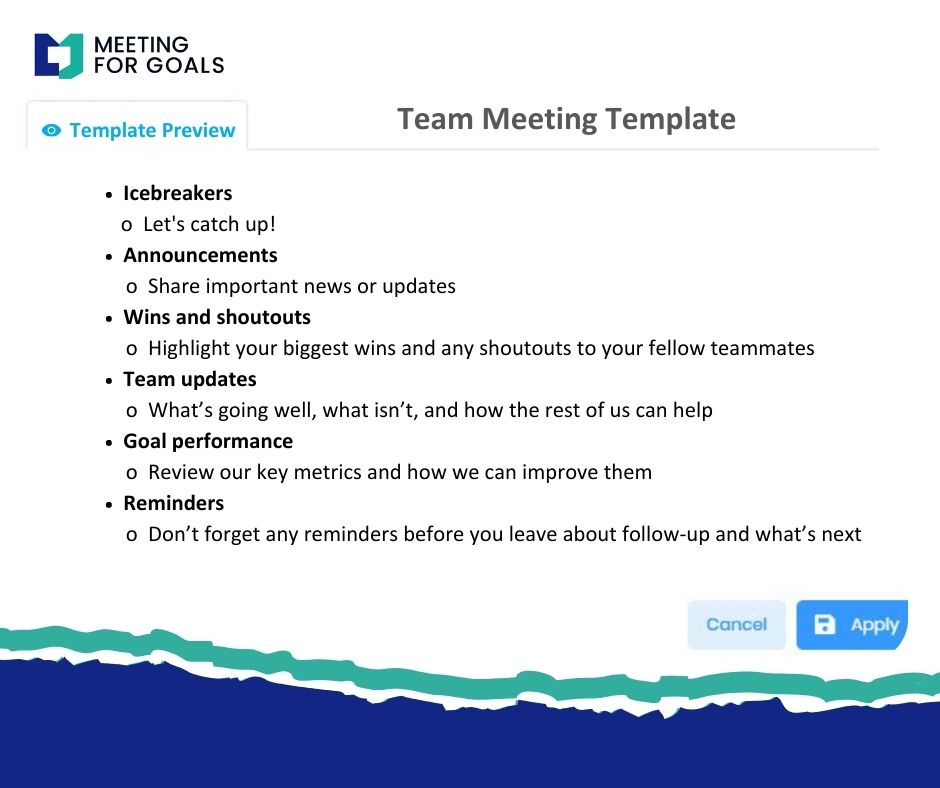
Benefits of Synchronous Communication for Teams
Synchronous communication isn’t going away anytime soon—and for good reason. It’s the best option when speed, clarity, or connection is needed.
Here are some benefits:
-
Fast Decision-Making:
Need to pivot quickly or make a high-stakes decision? Live conversations allow for instant input and consensus-building. -
Real-Time Brainstorming:
Creative ideas often flow better in a live setting. Team members can bounce ideas off each other, refine strategies, and build momentum. -
Team Bonding:
Face-to-face (or face-to-screen) interaction builds trust and strengthens relationships. This is especially important for new hires or during onboarding. -
Best Use Cases:
- Strategic planning
- Crisis response
- Performance reviews
- Team-building activities
Meeting for Goals enhances these moments with structured agendas, time-boxed discussions, and real-time collaboration tools. Want to see it in action? Sign up today at https://app.meetingforgoals.com/TenantRegistration/Register.
Benefits of Asynchronous Communication for Teams
Asynchronous communication is a powerful tool for modern teams. It supports flexibility, deep work, and global collaboration.
Here are some benefits:
-
Work From Anywhere, Anytime:
No need to coordinate schedules. Team members can contribute from different time zones or during their most productive hours. -
Thoughtful Responses:
Without the pressure of real-time replies, people can take time to craft better answers, do research, and provide more meaningful input. -
Fewer Meetings:
Not everything needs a meeting. Asynchronous updates reduce unnecessary calls, saving hours every week. -
Best Use Cases:
- Status updates
- Task assignments
- Feedback collection
- Documentation and knowledge sharing
With Meeting for Goals, you can document meeting outcomes, assign follow-up tasks, and keep everyone aligned—even when you’re not meeting live. Explore our free meeting templates to get started: https://meetingforgoals.com/meeting_templates.
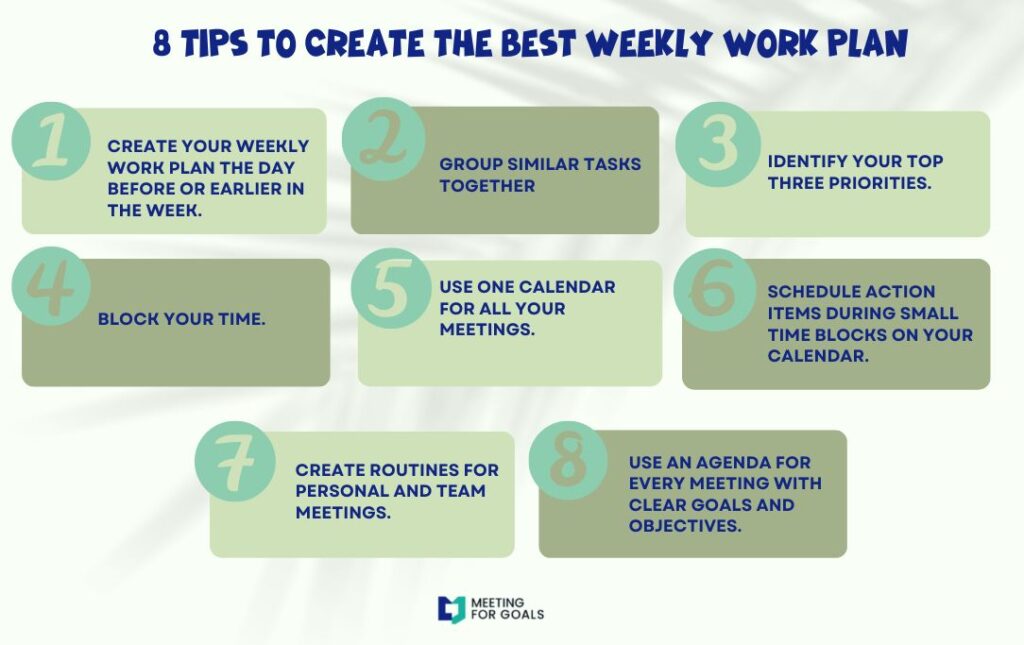
When to Use Synchronous vs. Asynchronous Communication
Knowing when to use each type of communication is key to running an efficient team.
Use Synchronous Communication When:
- You need fast decisions
- The topic is complex or sensitive
- You’re onboarding new team members
- Relationship building is a priority
Use Asynchronous Communication When:
- The message isn’t urgent
- You want thoughtful input
- You’re working across time zones
- You’re sharing updates or documentation
Blending both styles allows you to maximize productivity and reduce burnout. For example, you might have a live meeting to kick off a project, then use asynchronous tools to manage tasks and updates.
Real-World Example: A Balanced Communication Strategy
Let’s say you’re launching a new product. Here’s how you might use both communication styles:
- Kickoff Meeting (Synchronous): Align on goals, timelines, and roles.
- Follow-Up Tasks (Asynchronous): Assign deliverables in Meeting for Goals.
- Weekly Check-Ins (Asynchronous): Share updates via recorded videos or project tools.
- Final Review (Synchronous): Meet live to finalize decisions and celebrate wins.
This hybrid approach keeps your team aligned without overloading their calendars.
How Meeting for Goals Supports Both Communication Styles
Meeting for Goals is designed to help you get the most out of both synchronous and asynchronous communication.
For Synchronous Meetings:
- Create structured agendas
- Time-box discussions
- Take real-time notes
- Align meetings with company goals
For Asynchronous Workflows:
- Assign tasks after meetings
- Share updates without another call
- Track progress and accountability
- Document decisions for future reference
Whether your team is remote, hybrid, or on-site, Meeting for Goals gives you the tools to lead with clarity and purpose.
External Perspectives
Don’t just take our word for it. According to Harvard Business Review, companies that embrace asynchronous communication see increased productivity and lower employee burnout. You can read more about that here: https://hbr.org/2021/01/what-your-remote-work-tools-wont-tell-you.
Similarly, Atlassian highlights the importance of asynchronous communication in building resilient remote teams. Check out their guide: https://www.atlassian.com/blog/teamwork/asynchronous-communication.
Conclusion
Synchronous and asynchronous communication both have their place in a high-performing team.
Use synchronous for fast decisions, collaboration, and relationship building. Use asynchronous for flexibility, deep work, and reducing meeting overload.
The secret to success? Use both—strategically.
Meeting for Goals makes it easy. From structured agendas to task tracking, our platform helps you lead more effective meetings and streamline team communication.
Ready to improve your meetings and boost team productivity? Visit https://meetingforgoals.com to learn more or sign up now at https://app.meetingforgoals.com/TenantRegistration/Register.
Don’t just meet. Meet with purpose.
Total Word Count: Approximately 2,050 words.