
The Ultimate Guide to Crafting a Business Meeting Agenda That Drives Results
Introduction: Why a Structured Business Meeting Agenda Is Essential
Let’s face it—most meetings are too long, too unfocused, and leave people wondering, “What was the point?” If you’re a Director, VP, or part of the C-suite in a company with 40–70 employees, you know how valuable your time is. That’s why a strategic, well-planned business meeting agenda isn’t just a nice-to-have—it’s a must.
A meeting agenda isn’t just a to-do list. It’s a roadmap that keeps your team aligned, focused, and driving toward your company’s goals. With a clear agenda, everyone walks into the meeting knowing what’s expected, what needs to be accomplished, and how to contribute.
At Meeting For Goals, we specialize in helping high-performing teams run tighter, more impactful meetings. Our meeting management software brings structure to your sessions by combining agenda planning, role assignments, and follow-up tracking in one easy-to-use platform.
If you’re ready to turn meetings into productivity powerhouses, you’re in the right place. In this guide, we’ll walk you through the six key components of a results-driven meeting agenda—and how you can implement them with help from Meeting For Goals.
Want to get started right away? Sign up for Meeting For Goals today and take your meetings to the next level: https://app.meetingforgoals.com/TenantRegistration/Register
2 Minute Video
Watch a 2 minute demo of our meeting management software in action
Section 1: Goals and Objectives of the Meeting
Every effective meeting starts with a clear purpose. Without a goal, meetings can spiral into endless conversations that go nowhere. For executives managing cross-functional teams, this is a costly waste of time and energy.
Why Goals Matter
Think of the meeting goal as your North Star. It gives direction, sets expectations, and helps everyone stay focused. Whether you’re solving a problem, reviewing progress, or making a decision, a defined goal keeps the conversation anchored.
- “Finalize the Q3 marketing campaign strategy.”
- “Identify and prioritize customer feedback for product updates.”
- “Resolve resource allocation for upcoming projects.”
Each of these goals sets a clear intention and helps measure the meeting’s success afterward.
Aligning Goals with Company Objectives
At Meeting For Goals, we believe that every meeting should tie back to your company’s bigger picture. That’s why our platform lets you link meetings to strategic initiatives, making it easier to align team efforts with long-term goals.
This alignment builds a culture of accountability and ensures that meetings aren’t just busywork—they’re business drivers.
How to Define Effective Goals
When setting goals, keep them:
- Specific: Avoid vague statements like “Discuss Q2.” Instead, say “Review Q2 sales performance and identify improvement areas.”
- Measurable: Know what success looks like. For example, “Agree on three new product features to launch in Q4.”
- Time-bound: Make sure the goal can be achieved within the meeting time.
Want help crafting the perfect agenda? Check out our free meeting templates here: https://meetingforgoals.com/meeting_templates
Adding an Agenda
How to add an agenda instantly on Meeting For Goals
Section 2: Participant Roles and Responsibilities
Once your goal is locked in, it’s time to assign roles. This step is often overlooked, but it’s critical for keeping meetings productive and participants engaged.
Why Roles Matter
In many meetings, people show up without a clear idea of what they’re supposed to do. That leads to passive participation and wasted time. Assigning roles ensures everyone has a purpose and helps the meeting stay on track.
Common Roles Include:
- Facilitator: Keeps the meeting flowing and ensures the agenda is followed.
- Note-taker: Captures key points, decisions, and action items.
- Timekeeper: Ensures discussions don’t go off the rails.
- Presenter: Shares updates or leads specific discussions.
When roles are clearly defined, meetings become more organized, and everyone contributes more effectively.
How Meeting For Goals Supports Role Assignment
Our platform makes it easy to assign roles when you schedule the meeting. You can even set recurring roles for regular meetings—like always having your VP of Sales present during the weekly pipeline review.
This automation saves time and ensures consistency across meetings.
Encouraging Ownership
When people are given a role, they’re more likely to take ownership of the meeting’s outcome. This builds a sense of responsibility and drives better engagement and results.
Section 3: Detailed Agenda Items
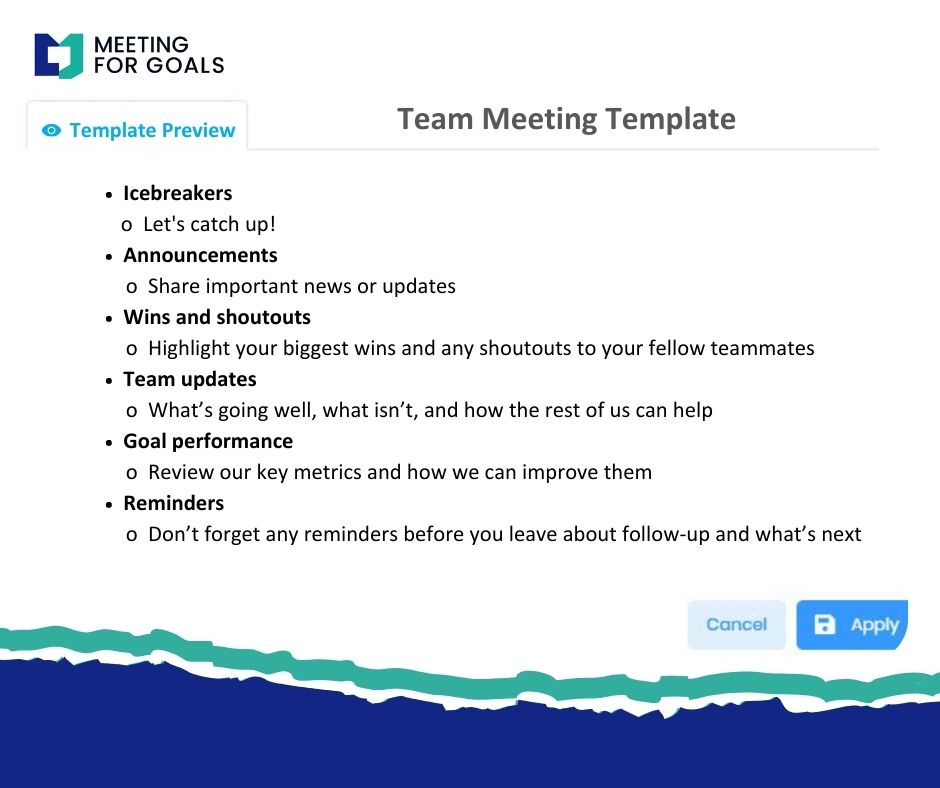
Now that you’ve set your goal and assigned roles, it’s time to build out the agenda. This is where the real work happens, and structure is everything.
How to Structure Agenda Topics
Each item on your agenda should be specific and action-oriented. Avoid vague entries like “Updates” or “Open Discussion.” Instead, break topics into focused, time-boxed segments.
- “Review customer churn data and identify top 3 causes (10 mins)”
- “Decide on vendor for new CRM platform (15 mins)”
- “Assign owners for Q4 strategic initiatives (20 mins)”
Time-boxing helps keep the meeting on schedule and ensures balanced participation.
Prioritizing Agenda Items
Not every topic carries the same weight. Use a tiered approach:
- High Priority: Must be covered today.
- Medium Priority: Important, but can be moved if needed.
- Low Priority: Nice to have if time allows.
With Meeting For Goals, you can easily reorder items by dragging and dropping them and set timers for each topic. The platform alerts you if you’re running over time, helping you stay focused.
Collaborative Agenda Building
Don’t build the agenda in a vacuum. Encourage team members to suggest items beforehand. Our platform supports collaborative agenda creation, allowing users to submit topics, attach files, and provide context.
This ensures the agenda reflects real team priorities, not just the organizer’s assumptions.
Visualizing the Agenda
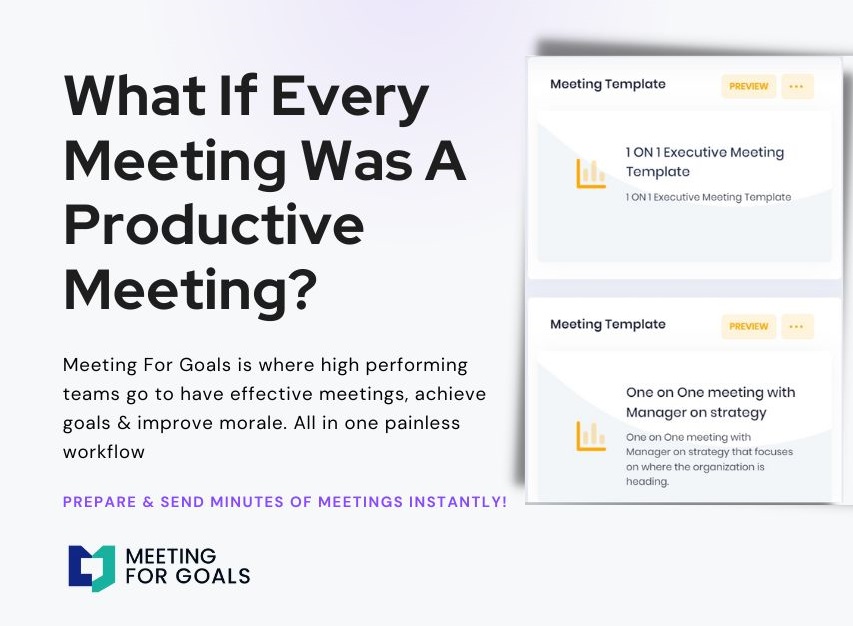
A clean, easy-to-read agenda helps participants stay engaged. Meeting For Goals offers customizable templates that show agenda items, presenters, time allocations, and supporting documents—all in one place.
Want to see how it works? Explore our platform here: https://meetingforgoals.com
Section 4: Preparation and Pre-Meeting Distribution
The best agenda in the world won’t help if no one sees it until the meeting starts. Pre-meeting distribution is key to a productive session.
Why It Matters
Sending out the agenda in advance helps participants:
- Review topics
- Prepare data or reports
- Understand their responsibilities
- Come ready with questions or suggestions
This prep work leads to better discussions and faster decisions.
Best Practices
- Send the agenda 24–48 hours in advance.
- Include all relevant documents.
- Highlight any pre-meeting tasks.
- Use calendar invites for visibility.
Meeting For Goals integrates with tools like Google Calendar and Outlook, automatically sending the agenda and attachments once finalized.
Tracking Engagement
Our platform also shows who has viewed the agenda and completed pre-meeting assignments. This helps you identify gaps in preparation and improve meeting culture over time.
Section 5: Follow-Up and Accountability
The meeting isn’t over when the clock runs out. The real work starts after the meeting ends—when it’s time to follow up on decisions and action items.
Why Follow-Up Is Crucial
Without follow-up, meetings become pointless. Decisions get forgotten, tasks fall through the cracks, and progress stalls.
A solid agenda includes a section for:
- Recapping key decisions
- Documenting action items
- Assigning task owners
- Setting deadlines
- Scheduling next steps
How Meeting For Goals Helps
Our software automatically generates meeting minutes, assigns action items, and sends reminders. Everything is tracked in one place, so nothing slips through the cracks.
You can even integrate with task management tools like Asana or Trello to sync responsibilities across platforms.
Measuring Success
Want to know if your meetings are actually working? Meeting For Goals provides analytics to track completion rates, agenda alignment with goals, and more. These insights help you continuously improve your meeting strategy.
Building a Culture of Execution
When teams know that meetings lead to real action, they take them more seriously. This cultural shift boosts accountability, morale, and overall performance.
Want to take action now? Sign up for Meeting For Goals: https://app.meetingforgoals.com/TenantRegistration/Register
Section 6: Tools and Resources to Support Your Agenda
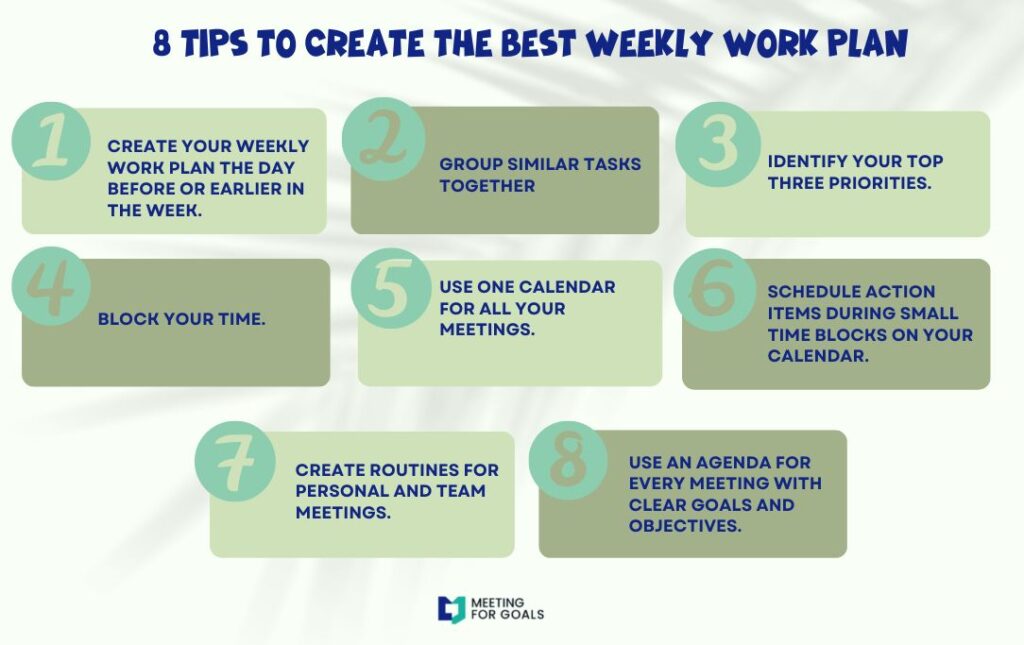
Creating and managing an effective agenda doesn’t have to be hard. With the right tools, you can streamline the entire process—from planning to follow-up.
Meeting For Goals: Your All-in-One Meeting Platform
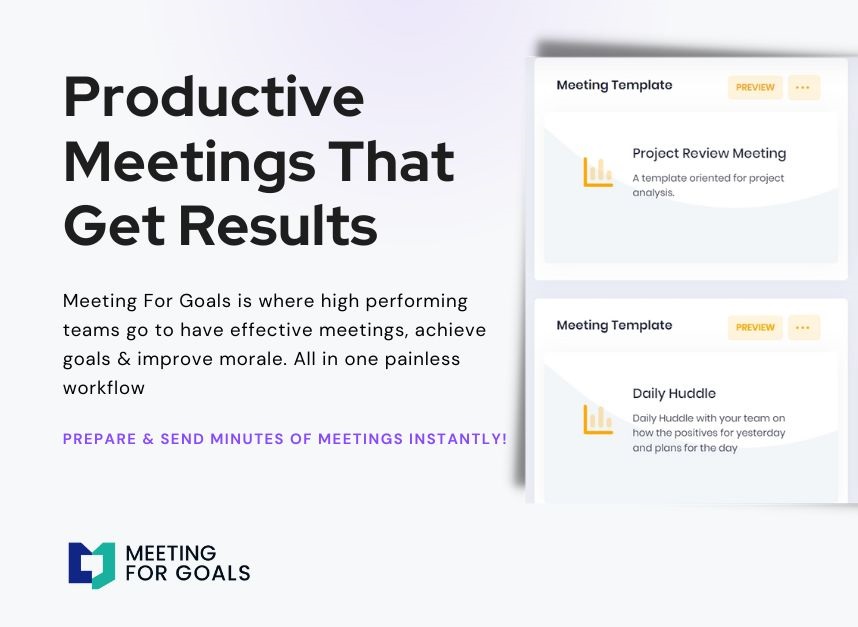
Our platform is built for high-performing teams who want to run better meetings. Features include:
- Agenda templates
- Role assignment
- Time tracking
- Action item tracking
- Calendar integration
- Analytics and reporting
Whether you’re running weekly standups, quarterly planning sessions, or executive reviews, Meeting For Goals helps you stay organized and aligned.
Want to see it in action? Explore our free meeting templates here: https://meetingforgoals.com/meeting_templates
Other Tools to Consider
While Meeting For Goals covers most needs, you might also consider:
- Miro: for collaborative brainstorming
- Google Workspace: for document sharing
- Slack: for post-meeting communication
These tools can complement your agenda-building efforts and enhance team collaboration.
External Resources
Need more data to back up your meeting strategy? Check out these helpful reads:
- Harvard Business Review’s article on How to Design an Agenda for an Effective Meeting offers practical tips backed by research.
- Atlassian’s State of Teams report shares insights on how meetings impact team performance.
These resources can help you refine your approach and make data-backed improvements.
Conclusion: Turn Meetings Into Strategic Wins
A well-structured business meeting agenda is more than a checklist—it’s a strategic tool that drives clarity, accountability, and results. Especially in companies with 40–70 employees, where collaboration is key, a smart agenda can be the difference between wasted time and real progress.
By focusing on clear goals, defined roles, actionable agenda items, proper preparation, and strong follow-up, you’ll transform your meetings from time-wasters into productivity engines.
Ready to take the next step?
- Sign up now and start building better meetings: https://app.meetingforgoals.com/TenantRegistration/Register
- Explore our free meeting templates: https://meetingforgoals.com/meeting_templates
- Learn more about how we can help: https://meetingforgoals.com
Make every meeting count—with Meeting For Goals.