
Work From Home Policy: How to Build a Productive Remote Culture with Effective Meetings
Introduction
Remote work has evolved from a temporary solution into a long-term strategy. What started as a response to the COVID-19 pandemic has now become a norm for many organizations. For companies with 40–70 employees—especially those led by senior executives like Directors, VPs, and C-level leaders—a clearly defined work from home (WFH) policy is essential.
But a policy alone won’t drive results. It needs to be supported by the right tools and practices. That’s where Meeting For Goals comes in. This meeting management platform helps remote teams stay aligned, productive, and accountable. It ensures that every meeting has a purpose, every participant knows their role, and every discussion leads to action.
In this post, we’ll walk you through the benefits of a strong WFH policy, the key elements to include, how to implement it effectively, and how tools like Meeting For Goals can elevate your remote culture.
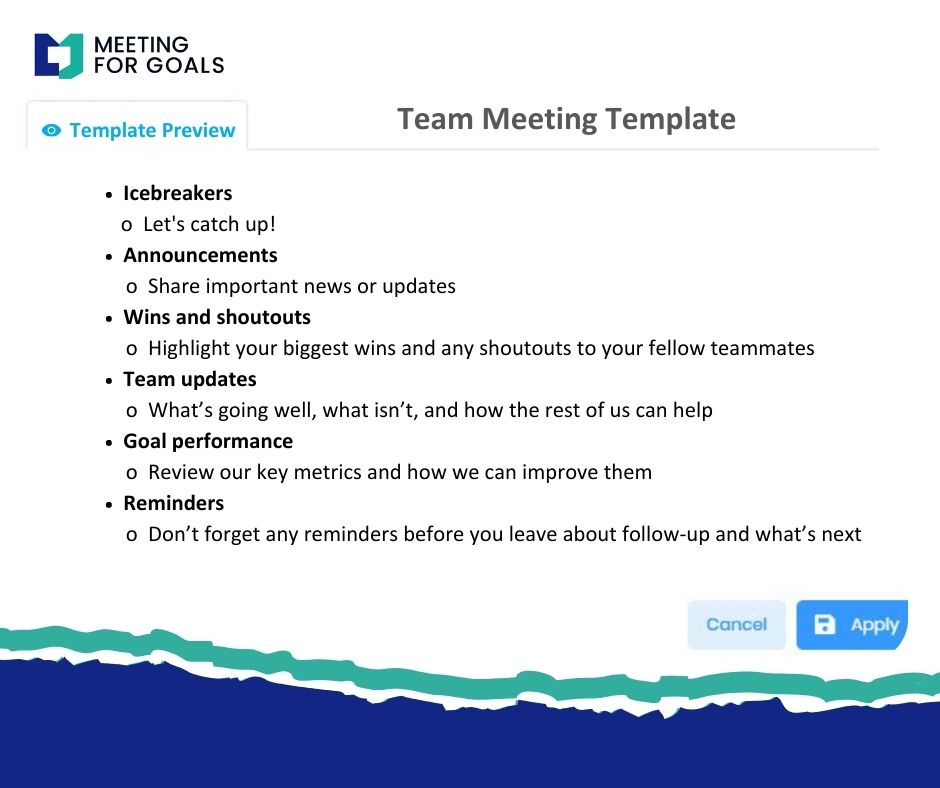
Want to hit the ground running? Start using our free meeting templates to structure your team discussions for success.
Section 1: Benefits of a Work From Home Policy
A solid WFH policy isn’t just about letting people work in their pajamas. It’s about creating a structured, flexible environment where employees can thrive—and where business goals don’t get lost in translation.
2 Minute Video
Watch a 2 minute demo of our meeting management software in action
Flexibility and Better Work-Life Balance
Remote work gives employees the flexibility to manage their schedules and personal responsibilities. This leads to better work-life balance, which helps reduce burnout and increase job satisfaction.
According to a study by Owl Labs, remote workers report being 22% happier than those who work on-site full time. Happy employees are more productive, more loyal, and more engaged.
Higher Productivity and Satisfaction
Many employers feared productivity would drop with remote work. But the opposite has been true for most. Remote employees often get more done thanks to:
- Fewer distractions
- Less commuting
- The ability to design their ideal work environment
When employees feel trusted to manage their time and tasks, they’re more motivated. When they know their efforts align with company goals—through tools like Meeting For Goals—they’re even more driven to succeed.
Reduced Costs for Everyone
Remote work reduces overhead costs like office rent, utilities, and supplies. For employees, it means saving on:
- Gas
- Public transport
- Meals
- Wardrobe expenses
These savings can be reinvested in tools and technologies that improve productivity—like Meeting For Goals—or in employee perks that boost morale.
Access to a Broader Talent Pool
WFH policies remove geographic barriers. You’re no longer limited to hiring talent in your city. You can recruit the best people from anywhere in the country—or even globally.
This is especially useful for companies looking to scale without expanding their physical footprint. A remote-friendly culture makes your company more attractive to top talent.
Improved Retention
Employees are more likely to stay with companies that offer flexibility. A Gallup poll found that 54% of employees would leave their job for one that offers remote work.
Retention means:
- Lower hiring costs
- Fewer disruptions
- A more experienced team
When your meetings are efficient and goal-driven, employees feel their time is valued—another key to retention.
Want to start building a remote culture that retains top talent? Sign up for Meeting For Goals today.
Adding an Agenda
How to add an agenda instantly on Meeting For Goals
Section 2: Key Components of a Work From Home Policy
A good WFH policy is more than just a set of rules. It’s a blueprint for how your team operates. Here’s what to include:
Eligibility Guidelines
Not every role is suited for remote work. Define which roles can be remote, which are hybrid, and which require office presence.
For example, a customer service rep might need to be available during specific hours, while a copywriter might work more flexibly.
Clear Communication Protocols
Communication is the lifeline of remote teams. Your policy should clarify:
- Which tools to use (Slack, Zoom, Meeting For Goals, etc.)
- How often teams should check in
- How to communicate availability (e.g., calendar status or Slack updates)
Meeting For Goals helps streamline this by aligning meetings with company goals, assigning follow-ups, and keeping everyone accountable—even across time zones.
Defined Work Hours and Availability
Remote doesn’t mean “always on.” Set core working hours when all team members should be available. This ensures collaboration without burnout.
For example, you might define 10 a.m. to 3 p.m. as core hours for meetings and team availability while allowing flexibility before and after.
Performance Tracking and Accountability
Without in-person oversight, performance tracking becomes crucial. Define how success will be measured—through KPIs, project milestones, or weekly check-ins.
Meeting For Goals makes this easy by linking meeting discussions to outcomes. You can track progress over time and ensure everyone is moving in the same direction.
Security and Data Protection
Remote work introduces new risks. Your policy should include:
- Guidelines for using secure networks
- Password management protocols
- Rules for handling sensitive data
Provide cybersecurity training and ensure employees have access to secure tools.
Equipment and Support
Specify what the company provides (laptops, monitors, software) and what employees are expected to have. Also, outline how employees can get IT support when needed.
Section 3: Best Practices for Implementing the Policy
Even the best policy will fall flat without proper implementation. Here’s how to roll it out effectively:
Set Clear Expectations
Clearly communicate when employees should be online, how they should report progress, and what’s expected in terms of responsiveness.
Use shared calendars and status updates to keep everyone aligned. Meeting For Goals can help enforce these expectations by tying meetings to outcomes and responsibilities.
Provide the Right Tools
Equip your team with the tools they need to succeed:
- Communication: Slack, Zoom
- Project Management: Asana, Trello
- Meeting Management: Meeting For Goals
Meeting For Goals is particularly powerful because it turns meetings into strategic sessions—not time-wasters. With features like shared agendas, goal alignment, and action tracking, it keeps your team moving forward.
Train Managers for Remote Leadership
Leading remote teams requires a different approach. Train your managers to:
- Communicate clearly and consistently
- Lead with empathy
- Use data to track performance
- Foster accountability without micromanaging
Encourage regular one-on-ones and use Meeting For Goals to structure those conversations around outcomes and feedback.
Run a Pilot Program
Before rolling out your WFH policy company-wide, test it with a few departments. Use their feedback to refine the policy.
This helps you catch any issues early and ensures higher adoption when you scale.
Communicate Transparently
Use multiple channels—email, Slack, virtual town halls—to explain the new policy. Make sure employees understand:
- Why the policy is being introduced
- How it benefits them
- What’s expected of them
Offer Q&A sessions and provide a central resource hub for ongoing reference.
Monitor and Iterate
Remote work isn’t static. Regularly review your policy’s effectiveness. Use tools like Meeting For Goals to track meeting productivity and team alignment.
Adjust your policy based on feedback and performance data. This keeps your remote strategy agile and effective.
Section 4: Maintaining Team Engagement and Culture
One of the biggest challenges of remote work is keeping your team connected. Here’s how to build a strong remote culture:
Virtual Team Bonding
Schedule regular virtual activities—online games, coffee chats, or even virtual escape rooms. These help build relationships and trust.
Don’t underestimate the power of informal interactions. They’re the glue that holds remote teams together.
Encourage Feedback
Make it easy for employees to share ideas, concerns, and suggestions. Use:
- Anonymous surveys
- Regular team check-ins
- Structured feedback sessions via Meeting For Goals
When people feel heard, they’re more engaged and invested.
Celebrate Wins
Recognition matters—especially remotely. Celebrate milestones, birthdays, and team successes.
Use Meeting For Goals to highlight completed action items tied to company goals. It’s a simple way to show progress and boost morale.
Reinforce Core Values
Your company values should guide every decision, even remotely. Make sure they’re reflected in:
- Meeting agendas
- Performance reviews
- Internal communications
This keeps everyone aligned and focused on the bigger picture.
Create Accountability
When everyone knows their work matters, they’re more likely to stay engaged. Meeting For Goals helps by assigning tasks, tracking follow-ups, and keeping everyone accountable.
This creates a culture of ownership—one where every team member plays a role in your company’s success.
Section 5: Leveraging Meeting Management Tools
Meetings are where remote teams either shine—or waste time. That’s why meeting management tools are essential.
Why Meeting For Goals Works
Meeting For Goals is built for high-performing remote teams. It turns meetings into strategic tools for alignment and execution.
Instead of long, aimless calls, your team gets short, focused sessions that drive outcomes.
Key Features for Remote Teams
- Shared agendas: Everyone knows what’s being discussed
- Goal alignment: Keep meetings tied to business objectives
- Action tracking: Assign tasks and follow up automatically
- Reminders: Ensure nothing falls through the cracks
- Analytics: Measure meeting effectiveness and improve over time
Tips for Better Virtual Meetings
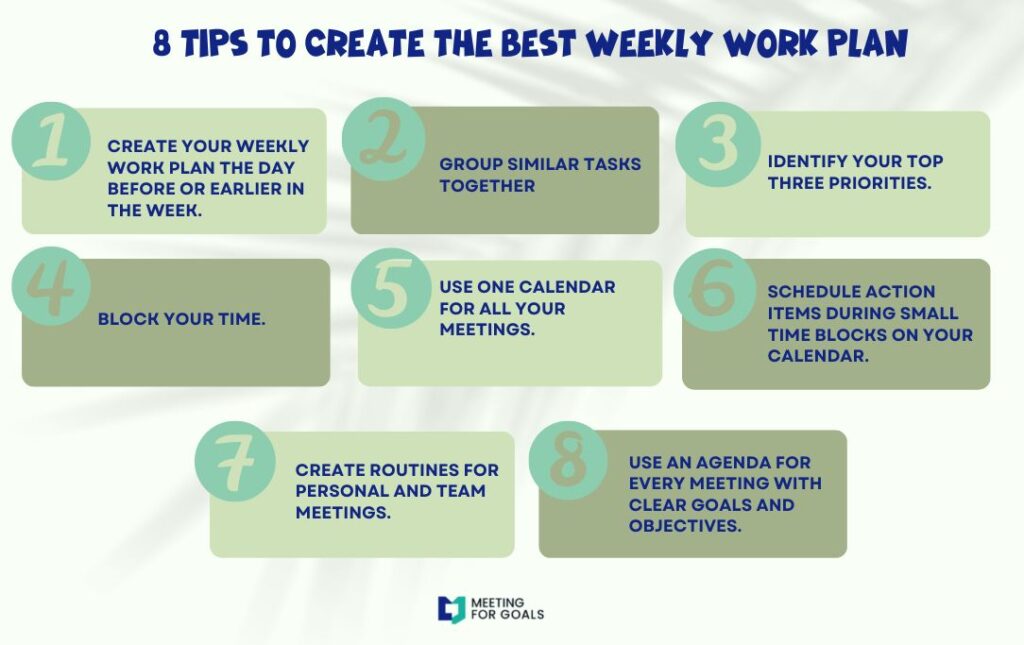
- Always have a clear agenda (use our free meeting templates)
- Keep meetings under 30 minutes when possible
- Assign a facilitator to keep discussions on track
- Use video to stay connected
- End with clear next steps and action items
Real-World Results
Companies using Meeting For Goals have reported:
- 30% shorter meetings
- 40% more follow-through on action items
One VP of Operations at a 60-person tech firm said: “Meeting For Goals helped us cut the fluff and focus on outcomes. Our remote meetings are now more efficient and impactful.”
Ready to see similar results? Register now to start using Meeting For Goals.
Conclusion
A strong work from home policy is more than a document—it’s a strategic advantage. For companies with 40–70 employees, it can unlock productivity, boost morale, and drive alignment across teams.
But to make it work, you need the right tools. Meeting For Goals transforms ordinary meetings into powerful engines of execution. It helps your team focus on what matters, stay accountable, and reach your goals—no matter where they’re working from.
Build your remote culture on a foundation of clarity, flexibility, and purpose. Start with a strong WFH policy—and power it with Meeting For Goals.
Explore our meeting templates to get started, or sign up now to turn every remote meeting into a step toward success.