
Things Your Boss Should Never Say to You
In today’s fast-paced corporate world, communication is the cornerstone of a successful team. Yet, even the most experienced leaders can sometimes say things that unintentionally harm morale, productivity, and trust. Whether in a high-stakes boardroom or a casual one-on-one, the words used by leaders carry immense weight.
This blog post explores the critical topic of “Things Your Boss Should Never Say to You.” Not just to avoid missteps, but to foster a culture of respect, collaboration, and high performance. For companies using tools like MeetingforGoals to streamline meetings and align with company objectives, understanding the nuances of effective communication is essential to maximizing team potential.
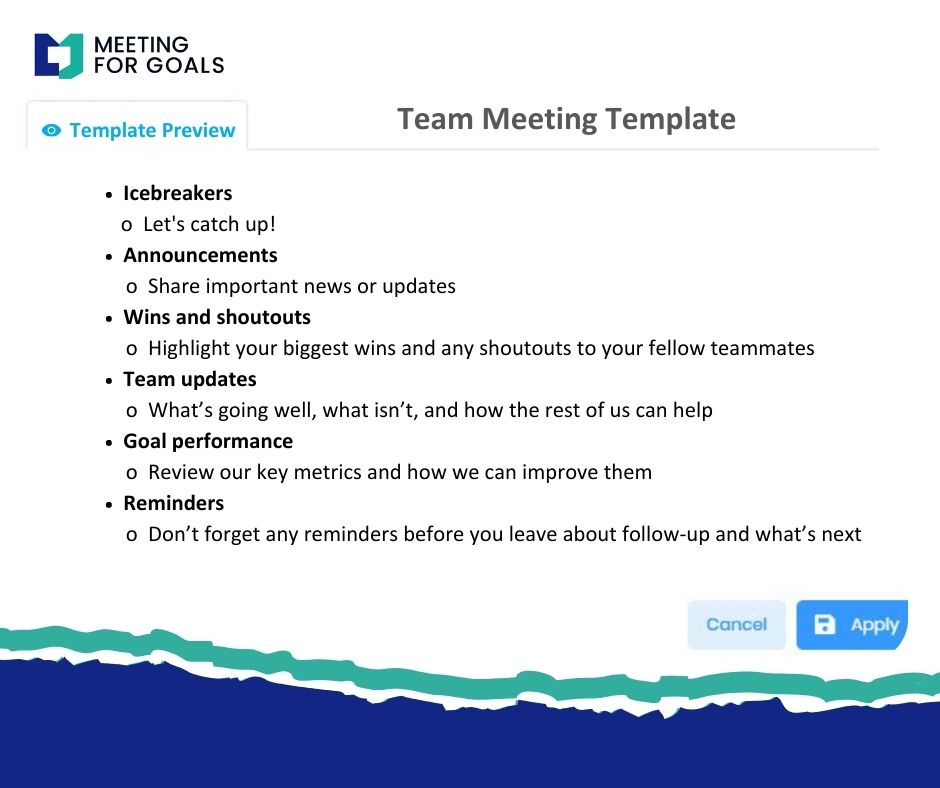
If you’re a leader looking to run more effective meetings and improve team dynamics, check out our free meeting templates and explore how MeetingforGoals can help you structure better conversations.
2 Minute Video
Watch a 2 minute demo of our meeting management software in action
Introduction
Overview of Workplace Communication
Effective communication is the backbone of every successful team. In organizations with 40 to 70 employees, where collaboration and alignment are essential, the way leaders communicate can make or break team morale and productivity.
Especially during meetings — whether it’s a strategy session, a project update, or a performance review — what leaders say can leave a lasting impression. Clear, respectful communication builds trust, encourages innovation, and enhances accountability. But poor communication, particularly when it includes dismissive or critical remarks, can derail progress and damage relationships.
Purpose of the Blog Post
The goal of this blog is to highlight specific things leaders should avoid saying. Whether you’re a VP, Director, or C-suite executive, recognizing these communication pitfalls is key to building high-performing teams.
By avoiding harmful language and using more empathetic, constructive dialogue, leaders can help their teams stay aligned, improve meeting effectiveness, and boost morale.
Want to start building better communication habits? Sign up at https://app.meetingforgoals.com/TenantRegistration/Register and take the first step toward more productive, goal-driven meetings.
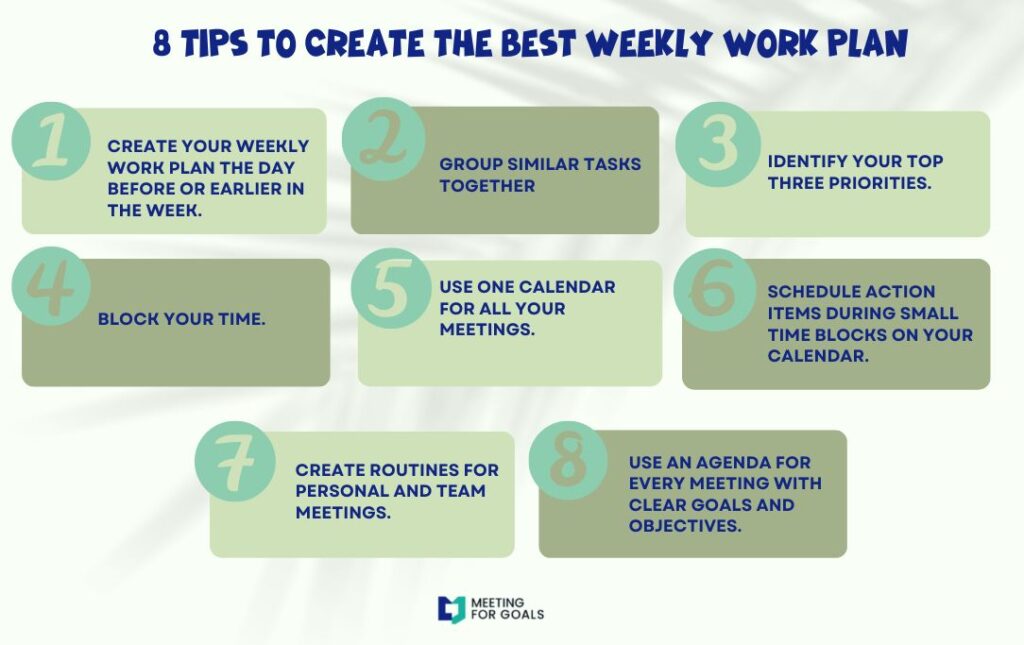
Adding an Agenda
How to add an agenda instantly on Meeting For Goals
Section 1: Undermining Your Efforts
Examples of Undermining Statements
Few things are more discouraging than having your hard work dismissed. Phrases like “This is not what I expected from you” or “I thought you were better than this” might be intended as motivation but often come across as personal attacks.
These aren’t examples of constructive feedback. Instead, they imply disappointment and make employees question their abilities and value. In smaller teams, where every contribution matters, this kind of language can be especially damaging.
Leaders often underestimate how much weight their words carry. A flippant comment can stick with an employee for months, affecting their confidence and performance.
Impact on Morale and Motivation
When leaders undermine their team members, even unintentionally, it chips away at motivation. Employees may start to second-guess themselves, avoid taking initiative, or emotionally detach from their work.
This kind of environment is the opposite of what’s needed for effective, goal-oriented meetings. Instead, leaders should offer clear, actionable feedback. Say things like, “Let’s look at what didn’t work and how we can improve it together.”
This approach shows support and encourages a culture of learning rather than blame. It also keeps the team moving forward, rather than getting stuck in negativity.
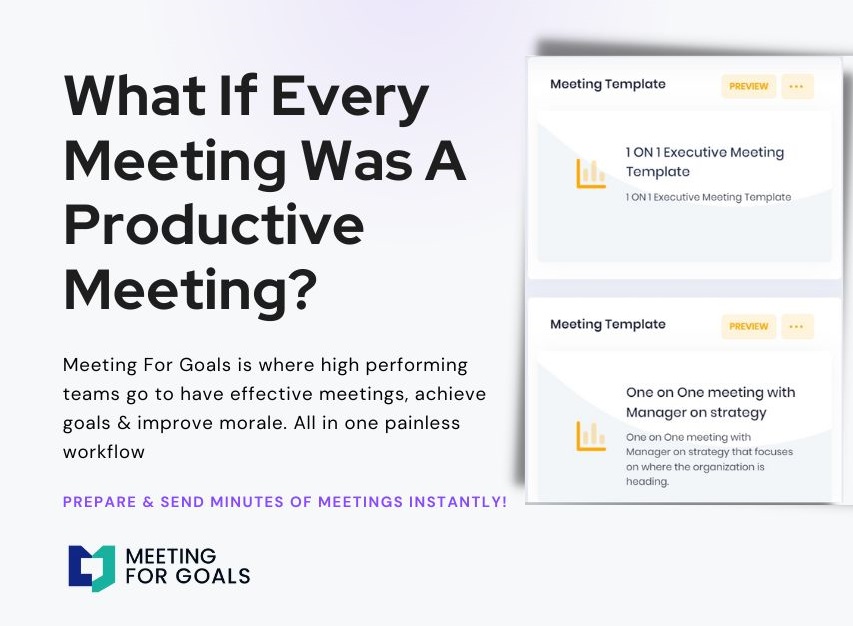
MeetingforGoals helps teams stay focused on solutions. With structured agendas and follow-ups, it’s easier to keep conversations constructive and aligned with company goals.
Section 2: Public Humiliation
Consequences of Criticism in Front of Others
Imagine being called out in front of your peers with comments like, “You really messed that up,” or “Why can’t you get it like everyone else?” Public criticism doesn’t just hurt the individual — it sends a chilling message to the entire team.
It tells everyone that mistakes will be met with embarrassment, not support. That kind of atmosphere kills trust and openness.
According to research from Harvard Business Review, psychological safety is one of the most important factors in high-performing teams. Public humiliation destroys that safety. It creates a fear-based culture where employees keep their heads down and avoid risks.
Effects on Team Dynamics
When team members witness public shaming, they often retreat into silence. Collaboration suffers. Creativity dries up. People stop sharing ideas because they’re afraid of being the next target.
Instead of building each other up, team members may begin to deflect blame or compete in unhealthy ways. This erodes the foundation of teamwork.
Leaders should always address performance issues in private. In meetings, focus on collective problem-solving and celebrating wins. Even small victories deserve recognition.
MeetingforGoals helps create a safe environment by keeping meetings structured and purposeful. Clear agendas and follow-up tasks reduce the chance of emotionally charged or off-topic conversations.
Section 3: Dismissing Personal Well-being
Statements That Disregard Work-Life Balance
Phrases like “You need to put in more hours if you want to succeed” or “Just tough it out — everyone else is” are red flags. They suggest that burnout is a badge of honor and that personal well-being isn’t important.
That mindset is outdated and harmful. Overworked employees are less productive, more prone to mistakes, and more likely to quit. Leaders who ignore work-life balance risk losing their best people.
In fact, Gallup found that employees experiencing burnout are 2.6 times more likely to be actively seeking a different job. That’s a huge risk for small to mid-sized teams.
Long-term Effects on Employee Retention
When employees feel like their personal needs are ignored, they start looking elsewhere. They want to work for companies that value mental health, flexibility, and a balanced lifestyle.
In a team of 40 to 70 people, losing even one key member can disrupt workflows, delay projects, and hurt morale.
Leaders should model healthy behavior themselves. Encourage time off. Support flexible schedules. Normalize taking mental health days.
MeetingforGoals helps reduce unnecessary time commitments by making meetings more efficient. Every meeting has a clear purpose, which means fewer wasted hours and more time for focused work — or rest.
Section 4: Making Comparisons to Colleagues
The Harm in Direct Comparisons
“Why can’t you be more like [Colleague’s Name]?” or “You should follow [Name]’s example” might sound like harmless feedback. But these kinds of comparisons can be incredibly demoralizing.
Each employee brings a unique set of strengths to the table. Comparing them to others reduces their individuality and can make them feel undervalued.
It also implies that there’s only one “right” way to succeed — which simply isn’t true. Successful teams thrive on diverse skills, perspectives, and approaches.
Impact on Individual Performance and Relationships
When employees feel they’re constantly being measured against their peers, it creates tension. They may become defensive, withdrawn, or overly competitive.
This damages relationships and weakens collaboration. Instead of working together, team members may start undermining each other to stand out.
Leaders should focus on individual growth. Ask questions like, “What support do you need to improve?” or “How can we better use your strengths?”
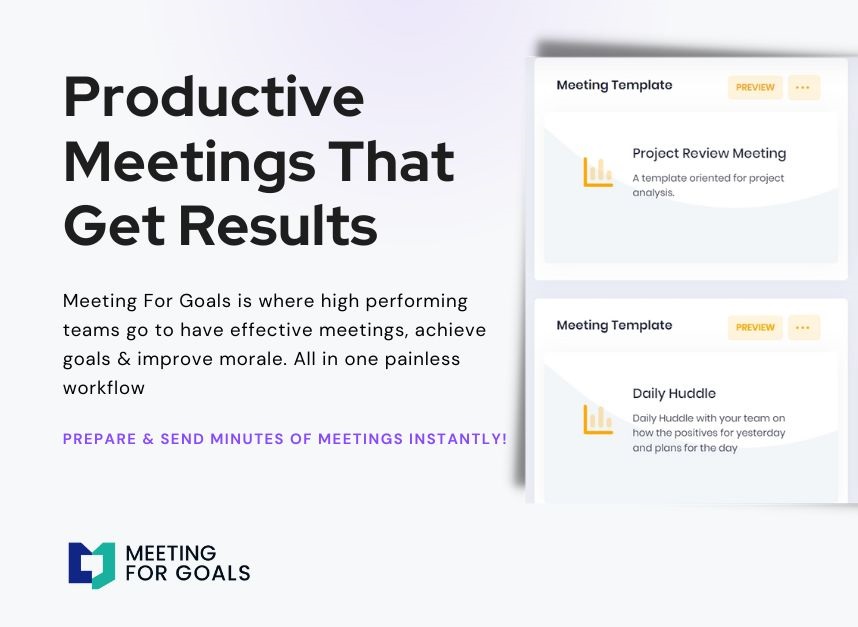
MeetingforGoals allows teams to track individual progress and responsibilities. That way, every contribution is recognized — and aligned with broader company goals.
Section 5: Lack of Support in Difficult Times
Statements That Show a Lack of Empathy
When employees hear things like “That’s not my problem” or “You’ll have to figure it out on your own,” it sends a clear message: you’re on your own.
That’s not what leadership is about. Employees don’t expect their bosses to solve every problem, but they do expect guidance, encouragement, and support.
Especially during tough times — like missed deadlines, personal struggles, or team conflicts — empathy matters more than ever.
Importance of Supportive Leadership
Supportive leaders build stronger, more resilient teams. They listen, offer resources, and help navigate challenges.
This kind of leadership fosters loyalty and trust. When employees know their leader has their back, they’re more likely to stay engaged and committed.
In a team of 40 to 70 people, a single unsupported employee can have a ripple effect. Morale drops. Collaboration slows. Culture starts to suffer.
Instead of distancing yourself, say things like, “Let’s work through this together” or “How can I help you succeed?”
MeetingforGoals makes it easier to spot and address roadblocks. With clear action items and follow-ups, no one falls through the cracks.
Section 6: Encouraging a Culture of Fear
Fear-Inducing Statements
“If you mess this up, you could lose your job” or “We can’t afford any mistakes” might seem like ways to drive urgency. But in reality, they create a toxic culture of fear.
Fear doesn’t motivate — it paralyzes. It stifles creativity, discourages risk-taking, and increases stress.
According to a study by McKinsey, psychological safety is a key driver of innovation. Without it, teams become risk-averse and disengaged.
Effects on Innovation and Creativity
Innovation requires freedom to fail, learn, and try again. Fear-based environments kill that freedom.
When employees are scared of making mistakes, they stop thinking outside the box. They play it safe. They keep quiet even when they have great ideas.
Leaders should encourage learning, not punishment. Try saying, “Mistakes happen — what can we learn from this?” or “Let’s explore a new approach together.”
MeetingforGoals supports this mindset by creating a structured, safe space for open dialogue. When meetings are focused and respectful, teams feel empowered to contribute and innovate.
Conclusion
Recap of Key Points
We’ve covered six types of harmful statements bosses should avoid:
- Undermining your efforts
- Public humiliation
- Dismissing personal well-being
- Making comparisons to colleagues
- Lack of support in difficult times
- Encouraging a culture of fear
Each of these behaviors can damage morale, productivity, and retention — especially in growing teams where every person plays a vital role.
Call to Action for Leaders
If you’re a leader committed to building a high-performing, goal-aligned team, it’s time to evaluate your communication style.
Are your words building people up or tearing them down? Are your meetings productive, respectful, and focused on progress?
Use tools like MeetingforGoals to structure better conversations, track action items, and keep your team aligned.
Explore our platform at https://meetingforgoals.com and start leading more effective meetings today.
Final Thoughts on Building a Healthy Work Environment
Words matter. The way leaders communicate sets the tone for the entire organization.
By avoiding harmful language and embracing empathy, support, and clarity, you can unlock the full potential of your team.
Let MeetingforGoals help you turn every meeting into a focused, productive session where morale is high and success is shared.
Ready to build a healthier team culture? Sign up now at https://app.meetingforgoals.com/TenantRegistration/Register and explore our free templates to get started.