
Synchronous vs Asynchronous Communication: Unlocking Productivity in High-Performing Teams
Excerpt:
In today’s fast-moving business environment, communication is the glue that holds high-performing teams together. Whether you’re running a startup or managing a growing organization, knowing when to use **real-time (synchronous)** versus **delayed (asynchronous)** communication can make a huge difference. In this article, we’ll break down the key differences between synchronous and asynchronous communication, explore their benefits, and show how blending both—using tools like **Meeting For Goals**—can transform how your team collaborates, meets, and delivers results.
I. Introduction
Great communication is the heartbeat of any successful company. For businesses with **40–70 employees**—especially those led by Directors, VPs, and C-suite executives—how your team communicates can make or break productivity and morale. In today’s hybrid and remote work environments, choosing the right communication style isn’t just a nice-to-have—it’s essential.
There are two main ways teams communicate:
- Synchronous communication: Happens in real-time. Think Zoom calls, in-person meetings, or live chats.
- Asynchronous communication: Lets people respond when it suits them. This includes emails, shared documents, or recorded messages.
This article will help you understand the differences between these two styles, when to use them, and how combining both can lead to better collaboration and stronger outcomes. We’ll also show how **Meeting For Goals** helps teams streamline communication, reduce unnecessary meetings, and stay aligned with company goals.
If you’re ready to improve how your team communicates, start by exploring our free meeting templates at https://meetingforgoals.com/meeting_templates or sign up today at https://app.meetingforgoals.com/TenantRegistration/Register.
2 Minute Video
Watch a 2 minute demo of our meeting management software in action
What Is Synchronous Communication?
Synchronous communication means people are talking or collaborating at the same time. It’s live, fast-paced, and interactive. This includes:
- In-person or virtual meetings
- Video calls (Zoom, Google Meet)
- Phone calls
- Real-time messaging apps (Slack, Microsoft Teams)
A. Why Synchronous Communication Matters
-
Instant Feedback:
Need a quick decision? Have a complex issue to resolve? Real-time communication allows for immediate back-and-forth. It’s great for clearing up confusion, brainstorming, or making fast decisions. -
Builds Stronger Relationships:
Seeing and hearing your teammates helps build trust. Face-to-face or video conversations foster connection, which is especially important in remote teams. -
Ideal for Collaboration:
When you’re brainstorming or working through a problem, live conversations help ideas flow naturally. It’s easier to read tone, body language, and jump into the discussion.
B. When Synchronous Can Be a Problem
Despite its benefits, synchronous communication can interrupt deep work. Constant pings or unnecessary meetings can be a productivity killer. That’s why it’s important to be intentional with real-time interactions.
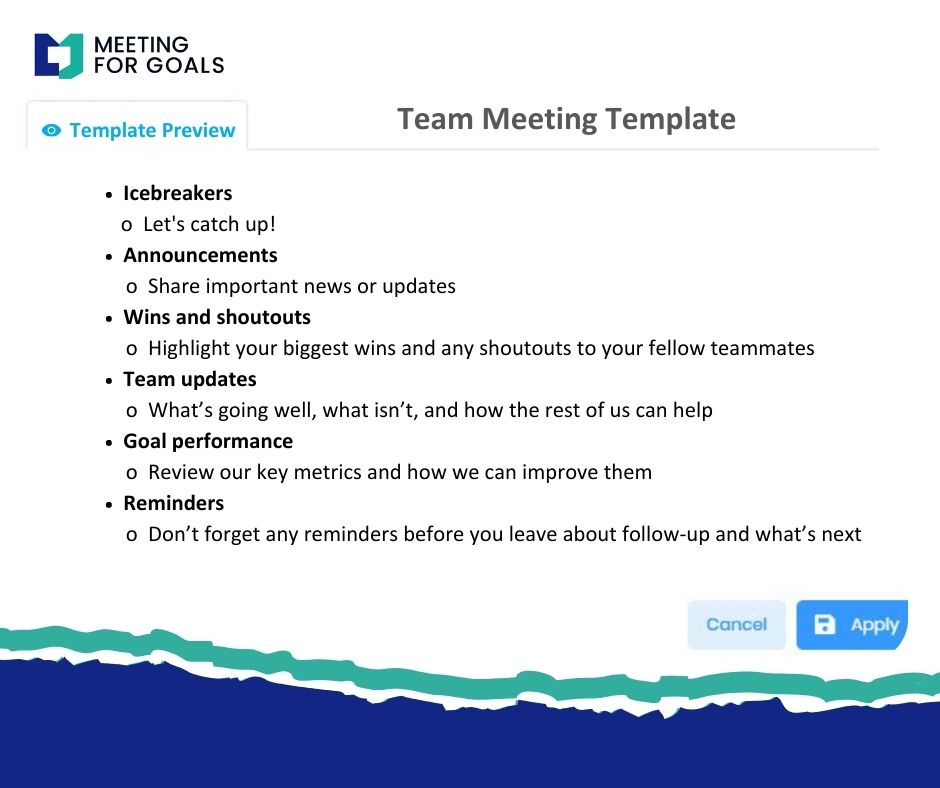
**Meeting For Goals** helps teams keep meetings short, focused, and goal-driven. Every meeting has a purpose, an agenda, and clear outcomes—so no one’s time is wasted.
Adding an Agenda
How to add an agenda instantly on Meeting For Goals
What Is Asynchronous Communication?
Asynchronous communication doesn’t happen in real time. People can read and respond when it works for them. This includes:
- Emails
- Shared documents (Google Docs, Notion)
- Project management tools (Asana, Trello, Monday.com)
- Recorded video updates (Loom)
A. Why Asynchronous Communication Works
-
Flexibility Across Time Zones:
Asynchronous tools are a game-changer for remote and global teams. No more struggling to find a meeting time that works for everyone. -
Better Quality Responses:
When people aren’t rushed to reply, they can think through their answers. This leads to more thoughtful feedback and stronger decision-making. -
Fewer Interruptions:
Deep work requires focus. Asynchronous communication reduces distractions and lets people plan their day without constant interruptions.
B. Using Asynchronous Tools Effectively
To make async work, your team needs clear guidelines. Set expectations for response times. Use templates for updates. Keep shared documents organized.
**Meeting For Goals** supports asynchronous workflows by allowing teams to share agendas, notes, and action items in advance. This means less time spent in meetings and more time getting work done.
Synchronous vs Asynchronous: Key Differences
Understanding the differences between these two communication styles helps you choose the right one for the situation.
A. Timing and Availability
- Synchronous: Requires everyone to be present at the same time.
- Asynchronous: People respond when they’re available.
B. Engagement Level
- Synchronous: High engagement, real-time reactions.
- Asynchronous: Lower engagement, but more time to reflect.
C. Speed vs Depth
- Synchronous: Faster but may lead to rushed decisions.
- Asynchronous: Allows deeper thinking but can slow things down if overused.
D. Examples of When to Use Each
Use Synchronous When:
- You need to make a decision quickly.
- You’re brainstorming or solving a complex issue.
- You’re building team relationships.
Use Asynchronous When:
- You’re sharing updates or documentation.
- You’re working across time zones.
- You want more thoughtful input.
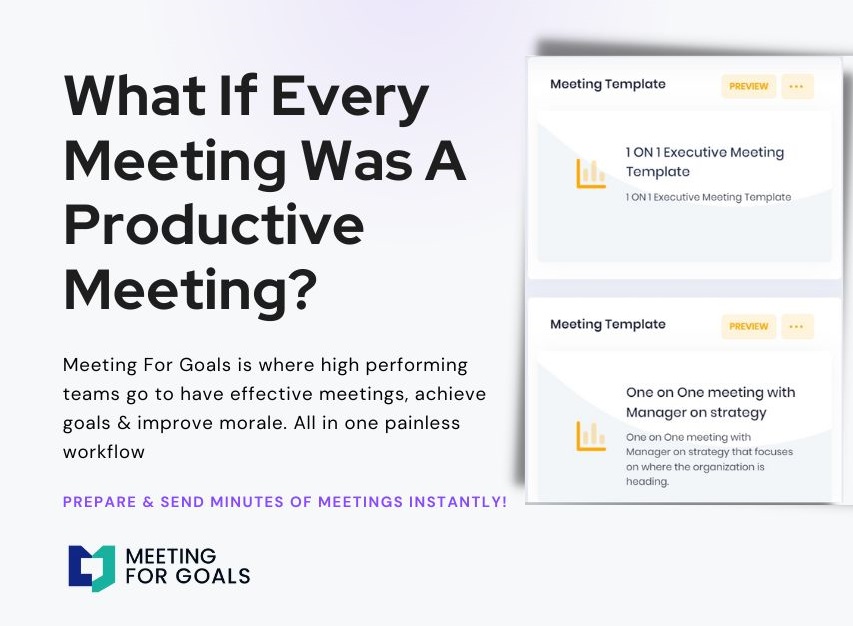
Hybrid teams thrive when they know when to switch between the two. **Meeting For Goals** makes this easy by helping teams schedule strategic meetings and handle routine updates asynchronously.
How to Combine Synchronous and Asynchronous Communication
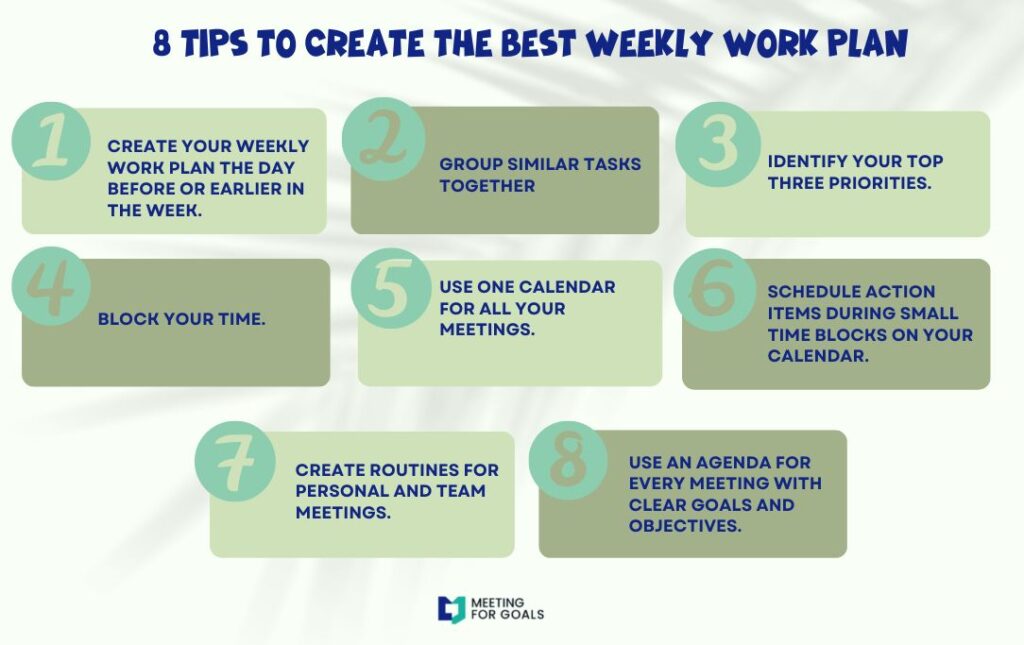
The best teams don’t pick one style—they blend both. Here’s how to do it.
A. Start with a Balanced Approach:
Too many real-time meetings can lead to burnout. But relying only on async can cause delays and miscommunication. The key is to use the right method for the right task.
B. Use Tools to Support the Blend:
**Meeting For Goals** is built to help teams integrate both styles. Here’s how:
-
Plan Better Meetings:
Use our platform to schedule meetings with clear agendas and time limits. This keeps synchronous interactions focused and efficient. -
Prepare Asynchronously:
Share documents, questions, and updates before the meeting. This cuts down on meeting time and ensures everyone is ready to contribute. -
Follow Up Without Another Meeting:
Track action items and decisions in one place. Assign tasks and share notes so everyone stays aligned—no need for another call.
C. Set Communication Norms:
Create team guidelines for when to use each style. For example:
- Use Slack for quick questions.
- Use email for non-urgent updates.
- Use **Meeting For Goals** for structured meetings and follow-ups.
D. Encourage Accountability:
Make sure everyone knows their role and what’s expected. Use tools that track progress and keep goals front and center.
For a deeper dive into communication strategies for remote teams, check out this guide from Harvard Business Review: https://hbr.org/2020/11/a-guide-to-managing-your-newly-remote-workers. It offers practical tips that complement the strategies we’ve discussed.
Real-World Application: How Meeting For Goals Makes It Happen
**Meeting For Goals** was created to help high-performing teams communicate better. Here’s what it brings to the table:
- Aligns every meeting with strategic goals.
- Tracks progress and accountability.
- Encourages preparation before meetings.
- Supports async collaboration with shared documents and notes.
By using **Meeting For Goals**, teams can stop wasting time in meetings and start using communication as a tool for success.
Want to see it in action? Sign up now at https://app.meetingforgoals.com/TenantRegistration/Register and start transforming your team’s meetings today.
Final Thoughts
Synchronous and asynchronous communication each have their place. Real-time conversations are great for fast decisions and team bonding. Asynchronous tools give people flexibility and time to think. The secret to success? Use both—strategically.
For leaders of growing teams, finding this balance is key to scaling productivity and keeping morale high. With the right tools and a clear strategy, your team can communicate smarter—not harder.
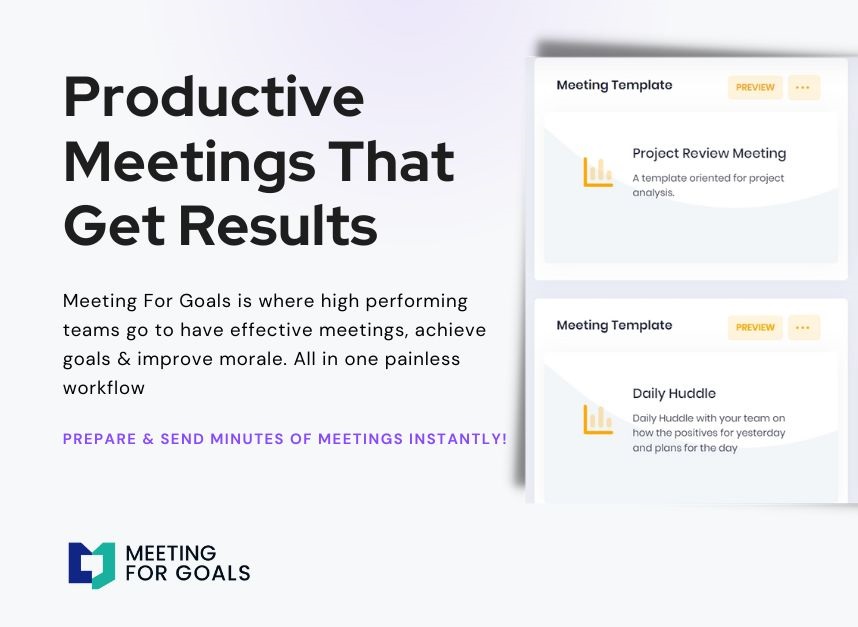
**Meeting For Goals** helps make that happen. Whether you’re planning your next big meeting or just need a better way to share updates, our platform keeps your team aligned and on track.
Ready to improve how your team communicates? Explore our free meeting templates at https://meetingforgoals.com/meeting_templates or visit https://meetingforgoals.com to learn more.
And if you’re ready to take the next step, sign up today at https://app.meetingforgoals.com/TenantRegistration/Register. Your team—and your calendar—will thank you.