
Maximize Meeting Productivity with This Interview Notes Template
In today’s fast-paced business world, every meeting needs to deliver value—especially for ambitious teams focused on growth. At Meeting For Goals, we believe in the power of structured, purpose-driven meetings. That’s why we’ve created a detailed interview notes template that boosts accountability, simplifies communication, and aligns conversations with your company’s goals.
In this blog, we’ll explain why interview notes matter, what your template should include, and how to use it to drive better results. Start improving your meetings today by signing up here: https://app.meetingforgoals.com/TenantRegistration/Register
I. Introduction
Meetings are where ideas are born, decisions are made, and strategies come to life. However, when meetings are unorganized or lack structure, they can quickly become unproductive.
At Meeting For Goals, we help teams transform meetings into focused, results-driven sessions that move the needle. Our meeting management software is designed for leaders who want to make the most of their time. This includes:
- VP of Operations
- Director of Product
- CEO juggling multiple departments
We provide tools that help you run meetings that are shorter, sharper, and far more effective. One of the most underrated tools for better meetings is a structured interview notes template.
Whether you’re conducting a one-on-one, evaluating a candidate, or holding a performance review, having a consistent way to capture and organize the conversation is critical. It ensures nothing important slips through the cracks. Everyone walks away with a clear understanding of what comes next.
In this guide, we’ll walk you through a powerful interview notes template that you can start using right away. We’ll explain:
- Why detailed notes are essential
- What your template should include
- How to use it effectively
By the end, you’ll have a practical system to turn every meeting into a strategic win. If you’re looking for ready-to-use templates, check out our free collection here: https://meetingforgoals.com/meeting_templates
Let’s get started.
2 Minute Video
Watch a 2 minute demo of our meeting management software in action
II. Why Interview Notes Matter in Meetings
Interview notes aren’t just for HR teams or hiring managers. They’re a powerful tool for any leader who wants to drive better outcomes from meetings. Here’s why they matter:
- They Drive Accountability: When you capture decisions and action items during a meeting, it’s easy to follow up later. Everyone knows who’s responsible for what. This leads to better execution and fewer dropped balls.
- They Keep Everyone Aligned: By linking meeting discussions to company goals, interview notes ensure that conversations stay focused. This is especially important for directors and executives.
- They Serve as a Reliable Reference: How many times have you had to dig through emails or Slack threads to remember what was said in a previous meeting? With clear, well-organized notes, you have everything in one place.
- They Promote Transparency: Sharing notes with stakeholders builds trust. Everyone stays in the loop, even if they weren’t in the room. This is crucial for remote or hybrid teams.
- They Improve Decision-Making: When you have a detailed record of past conversations, it’s easier to make informed decisions. You can spot patterns and avoid repeating the same discussions.
Still not convinced? According to Harvard Business Review, effective meeting documentation leads to increased team engagement and better follow-through. That’s a win in any leader’s book.
Adding an Agenda
How to add an agenda instantly on Meeting For Goals
III. Key Elements of an Effective Interview Notes Template
A good template helps you capture the right information in a consistent, organized way. At Meeting For Goals, we recommend structuring your template into three main sections:
A. Basic Information
Start with the essentials. This section sets the stage for the rest of your notes.
- Date & Time: Helps you track when the meeting took place.
- Participants: List names and roles for context and follow-up.
- Purpose: Why are you meeting? A clear objective keeps the conversation focused.
This section may seem simple, but it provides the context you’ll need when reviewing notes later.
B. Agenda Items
Your agenda is your roadmap. It keeps the meeting on track and ensures you cover everything important.
- Topics to Discuss: Use bullet points to list the main topics.
- Time Allocations: Assign time limits to each topic to prevent the meeting from running long.
Pro tip: Share the agenda in advance so participants come prepared. You can learn more about effective agenda planning in our blog on running productive team meetings here.
C. Discussion Points
This is where the real value lies. Capture what was said, decided, and discussed.
- Key Discussions: Summarize the main ideas and insights.
- Notable Quotes: Jot down any important remarks or decisions verbatim.
- Concerns or Risks: Document any red flags raised for risk management.
Use bullet points or short sentences for easy scanning. The goal is to create a record that’s useful, not overwhelming.
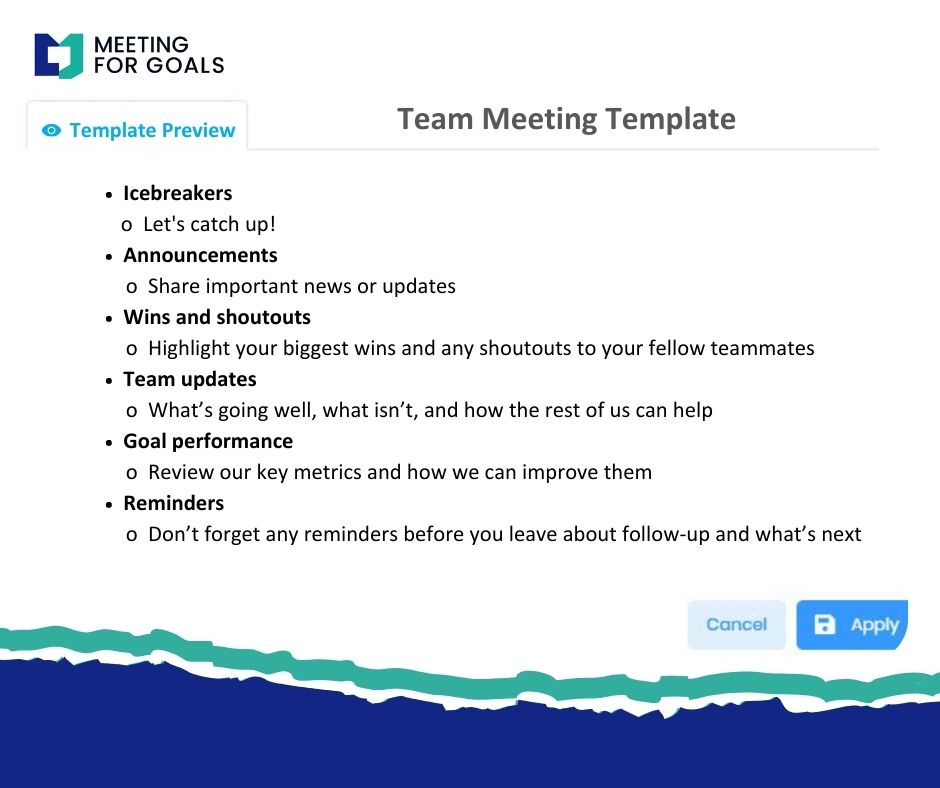
IV. Action Items and Responsibilities
Even the best discussion means nothing without action. This section is where you turn talk into results.
A. Documenting Decisions
Every meeting should result in some form of decision. Whether it’s:
- Hiring a candidate
- Adjusting a timeline
- Choosing a vendor
Make sure you record:
- The decision made
- The rationale behind it
- Any supporting data or feedback
This helps justify decisions later and keeps everyone on the same page.
B. Assigning Tasks
Accountability starts with clarity. For each action item, list:
- What needs to be done
- Who is responsible
- When it’s due
This simple format eliminates confusion and makes follow-up easy. You can even link these tasks to your project management tool or track them directly in Meeting For Goals.
C. Following Up
Start your next meeting by reviewing the previous action items. This keeps momentum going and ensures nothing falls through the cracks.
For example, if you assigned a task to your marketing lead in the last meeting, check in on its status at the beginning of the next one. This builds a culture of accountability and continuous improvement.
According to McKinsey & Company, teams that consistently follow up on meeting outcomes are 30% more likely to hit their performance targets. That’s a stat worth remembering.
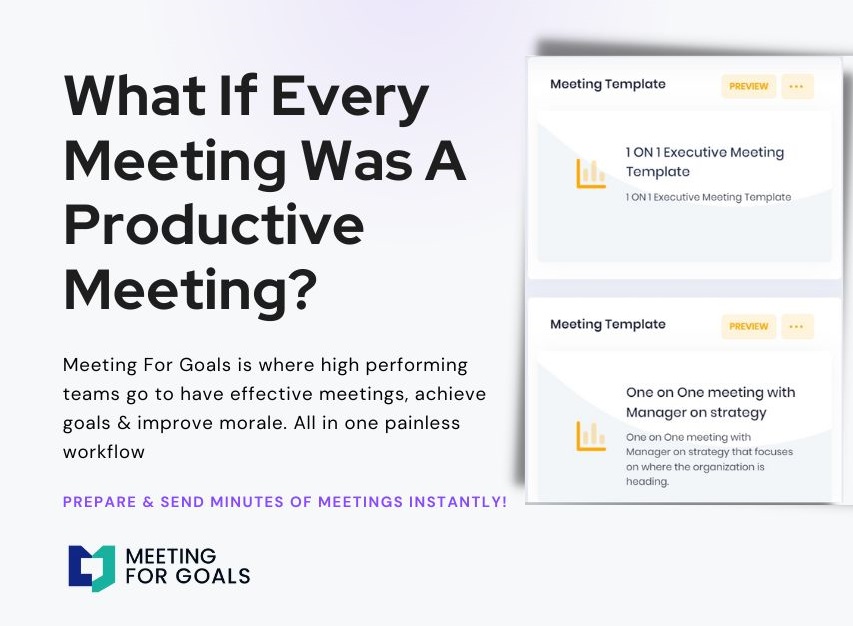
V. Best Practices for Using the Interview Notes Template
A great template is only effective if it’s used the right way. Here are some tips to get the most out of it:
A. During the Meeting
- Assign a Note-Taker: Ideally, someone who isn’t leading the meeting. This allows them to focus on capturing details.
- Use Bullet Points: They’re faster to write and easier to review.
- Capture in Real Time: Don’t wait until after the meeting. Real-time notes are more accurate and complete.
B. After the Meeting
- Review Immediately: Go over the notes while the conversation is still fresh.
- Highlight Action Items: Use bold text, colors, or headings to make them stand out.
- Clean Up Formatting: Ensure the notes are easy to read and consistent in style.
C. Sharing and Storing Notes
- Use a Central Platform: Store your notes in a shared workspace like Meeting For Goals, where everyone can access them.
- Send a Summary Email: Within 24 hours, share key takeaways and assigned tasks with attendees.
- Encourage Feedback: Ask team members to review and confirm the notes. This ensures everyone agrees on what was discussed.
Want to streamline this process? Our meeting templates make it easy to get started. Check them out here: https://meetingforgoals.com/meeting_templates.
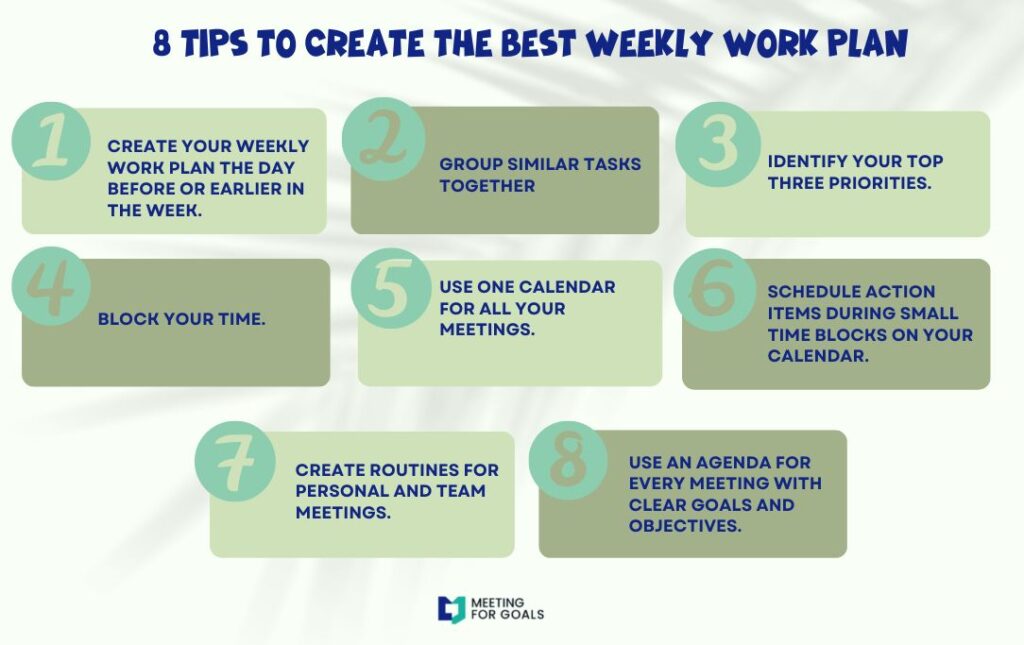
VI. Real-World Use Cases
Let’s break down how this template works in different scenarios.
- Hiring Interviews: Capture candidate responses, interviewer impressions, and hiring decisions. Assign follow-ups for background checks or second-round interviews. Share notes with HR and hiring managers to keep everyone aligned.
- Performance Reviews: Document employee feedback, goals, and development areas. Track agreed-upon action items like training or promotions. Use notes as a reference in future reviews.
- Stakeholder Meetings: Record decisions around strategy, budgeting, or resource allocation. Assign tasks to different departments. Keep a transparent record for cross-functional teams.
- Team One-on-Ones: Track personal development goals and check-in topics. Follow up on previous discussions and commitments. Build a stronger manager-employee relationship through consistent communication.
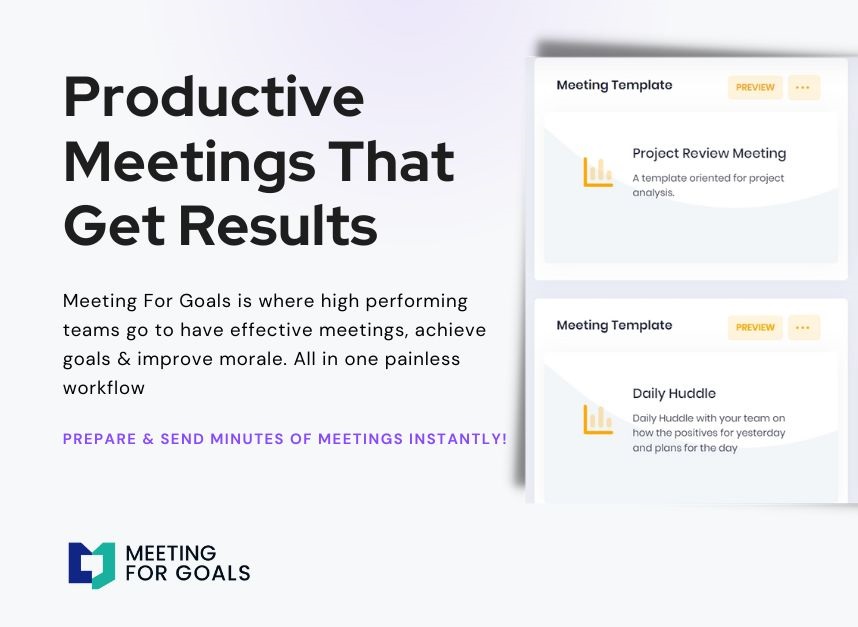
VII. Conclusion
Meetings are where momentum starts—but only if they’re structured, focused, and followed up with action. A well-designed interview notes template helps you make every meeting count.
It brings clarity to conversations, ensures accountability, and keeps your team aligned with business goals. Whether you’re managing a small team or leading an entire department, this simple tool can dramatically improve your meeting outcomes.
At Meeting For Goals, we make it easy to run better meetings with software that handles agendas, notes, follow-ups, and more—all in one place. Ready to level up your meetings?
Sign up today and see the difference for yourself: https://app.meetingforgoals.com/TenantRegistration/Register
And don’t forget to explore our free meeting templates to get started fast: https://meetingforgoals.com/meeting_templates
For more insights, resources, and tools, visit our website at https://meetingforgoals.com
Your meetings should work as hard as you do. With the right structure, they will.