
Hiring Tips: Build High-Performing Teams That Drive Results
Introduction
In today’s fast-paced business world, hiring the right people is more important than ever. For mid-sized companies with 40–70 employees, each new hire can significantly impact team dynamics, productivity, and company culture. As a Director, VP, or C-suite executive, you know that hiring isn’t just about filling a seat—it’s about finding someone who will help your team thrive.
Smart hiring directly leads to better meetings. When your team members are aligned, skilled, and culturally compatible, meetings become more focused and productive. That’s the core idea behind Meeting For Goals—making every meeting count by aligning them with your strategic objectives.
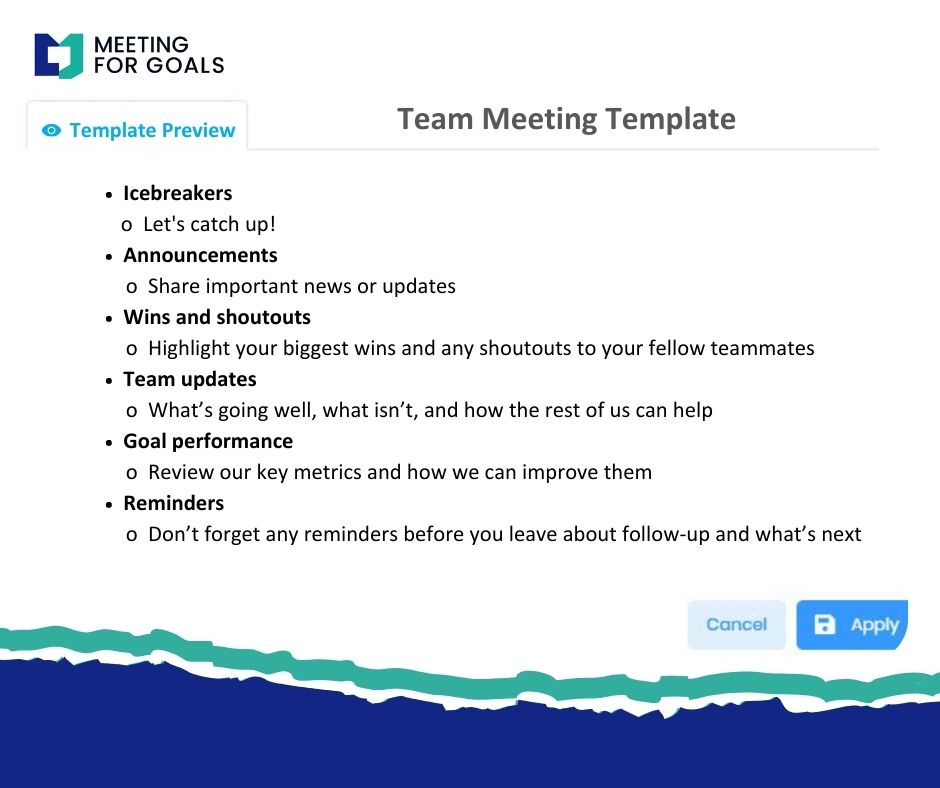
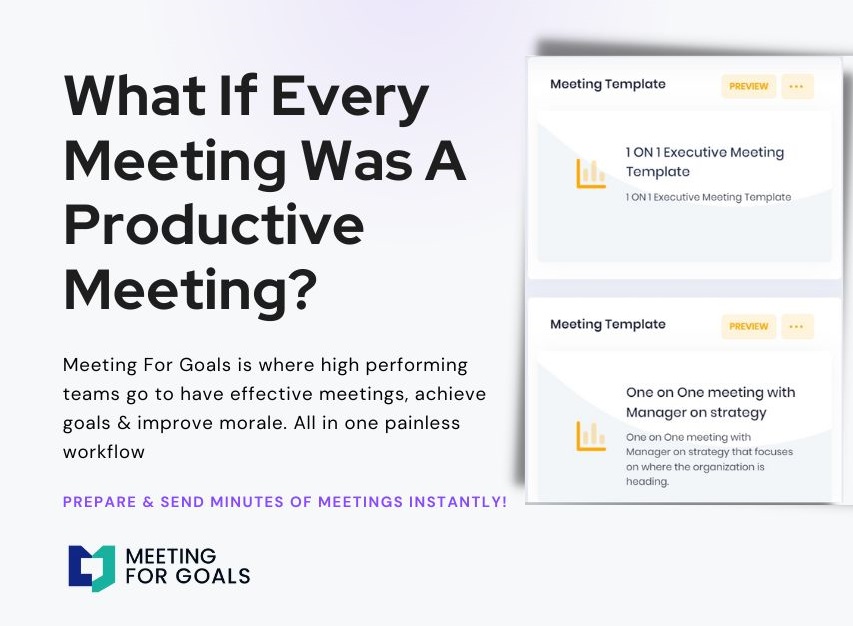
Before diving in, check out our free meeting templates to help your team stay aligned and efficient. And if you’re ready to transform your meetings, sign up today: here.
Let’s explore how you can build a hiring process that supports high-performing teams and drives real results.
2 Minute Video
Watch a 2 minute demo of our meeting management software in action.
Section 1: Understanding Your Team’s Needs
Hiring effectively starts with clarity. Before you even think about writing a job description, take a step back and ask: What does your team really need?
Start by identifying current pain points. Ask yourself:
- Are deadlines being missed?
- Are team members stretched too thin?
These are signs that you may have skill gaps or workload imbalances. Hold one-on-one meetings or team retrospectives to gather honest feedback. Ask your team:
- What tasks are falling through the cracks?
- What skills are missing from our team?
- What kind of person would help us work better together?
This collaborative approach not only gives you valuable insights but also boosts morale. When employees feel heard, they’re more engaged and motivated.
Next, align your hiring goals with your company’s big-picture strategy. If your goal is to improve meeting efficiency, look for candidates with:
- Excellent time management skills
- Strong communication skills
These traits naturally support focused, productive team interactions. Use tools like SWOT analysis (Strengths, Weaknesses, Opportunities, Threats) to assess your team’s current capabilities. Review performance data from your meeting software to identify patterns. Are certain teams consistently behind on deliverables? That may point to a need for leadership or support roles.
Understanding your team’s needs helps you avoid reactive hiring. Instead, you’ll be hiring proactively—with purpose and precision. This sets the foundation for writing job descriptions that attract the right candidates and for building teams that thrive in a goal-driven environment.
Want to learn more about building better meetings? Visit us at Meeting For Goals.
Adding an Agenda
How to add an agenda instantly on Meeting For Goals.
Section 2: Crafting an Effective Job Description
Once you know what your team needs, it’s time to communicate that clearly in your job description.
Think of the job description as your first conversation with a potential hire. It should be clear, engaging, and aligned with your company’s mission.
Start with a compelling introduction. For example:
“At [Your Company Name], we’re committed to streamlining collaboration and making every meeting count. We’re looking for a results-driven [Job Title] to help us reach our next big milestone.”
Focus on outcomes, not just tasks. Instead of saying “Attend weekly meetings,” say “Contribute to strategic planning sessions that align team efforts with company goals.”
Highlight both hard and soft skills. Yes, technical ability matters—but so does communication, adaptability, and emotional intelligence. These qualities are essential for productive meetings and strong team collaboration.
Be transparent about your company culture. If you use Meeting For Goals to keep meetings short and aligned with KPIs, mention that. It shows candidates that you value efficiency and accountability.
Tailor your language to your audience. If you’re hiring a senior leader, emphasize strategic thinking and cross-functional collaboration. For junior roles, highlight mentorship and growth opportunities.
Finally, simplify the application process. Let candidates know what to expect—how many interviews, who they’ll meet, and the timeline. A smooth process reflects well on your company and helps attract top talent.
For a deeper dive into writing great job descriptions, check out this helpful guide from SHRM.
Section 3: Utilizing the Right Recruiting Channels
Even the best job description won’t help if it’s not reaching the right people.
Start with the basics: LinkedIn, Indeed, and Glassdoor are great for visibility. But they’re also crowded. To stand out, go where your ideal candidates hang out.
If you’re hiring developers, post on:
- Stack Overflow
- GitHub Jobs
For creative roles, try sites like:
- Dribbble
- Behance
These niche platforms attract people who are deeply engaged in their field. Social media is another powerful tool. Share job openings on:
Highlight your team culture, recent wins, and what makes your company a great place to work.
Encourage your leadership team to be active online. When executives share job openings or write about company culture, it builds credibility and attracts attention.
Don’t forget about referrals. Your current employees can be your best recruiters. Offer incentives for successful hires. People tend to refer candidates who they believe will thrive on the team.
Networking events—both online and in-person—are also goldmines for talent. Attend industry conferences, webinars, and local meetups. These settings are great for connecting with passive candidates who aren’t actively job hunting but are open to the right opportunity.
Lastly, consider working with specialized recruiters. Yes, it’s an investment—but it can pay off, especially for executive or hard-to-fill roles.
For more tips on sourcing talent, check out this resource from Harvard Business Review.
Section 4: Implementing a Streamlined Interview Process
A clunky interview process can turn off top candidates. If your hiring process feels disorganized, slow, or inconsistent, you’ll lose great people to companies that move faster.
Start by creating a structured interview plan. This includes:
- A clear timeline
- Consistent questions
- Defined evaluation criteria
Use behavioral questions to understand how candidates think and act. For example:
“Tell me about a time you had to lead a project under tight deadlines. How did you keep your team on track?”
These questions reveal real-world problem-solving and collaboration skills—traits that directly impact team performance and meeting effectiveness.
Scorecards are a great tool. Use them to rate each candidate on key attributes like:
- Communication
- Adaptability
- Cultural fit
This helps reduce bias and ensures a fair comparison. Involve multiple team members in the process. This gives you different perspectives and helps assess how well a candidate will mesh with the team.
Be transparent about your company’s meeting culture. Share how you use Meeting For Goals to keep meetings short, focused, and aligned with KPIs. Candidates who appreciate structure will be more likely to thrive in your environment.
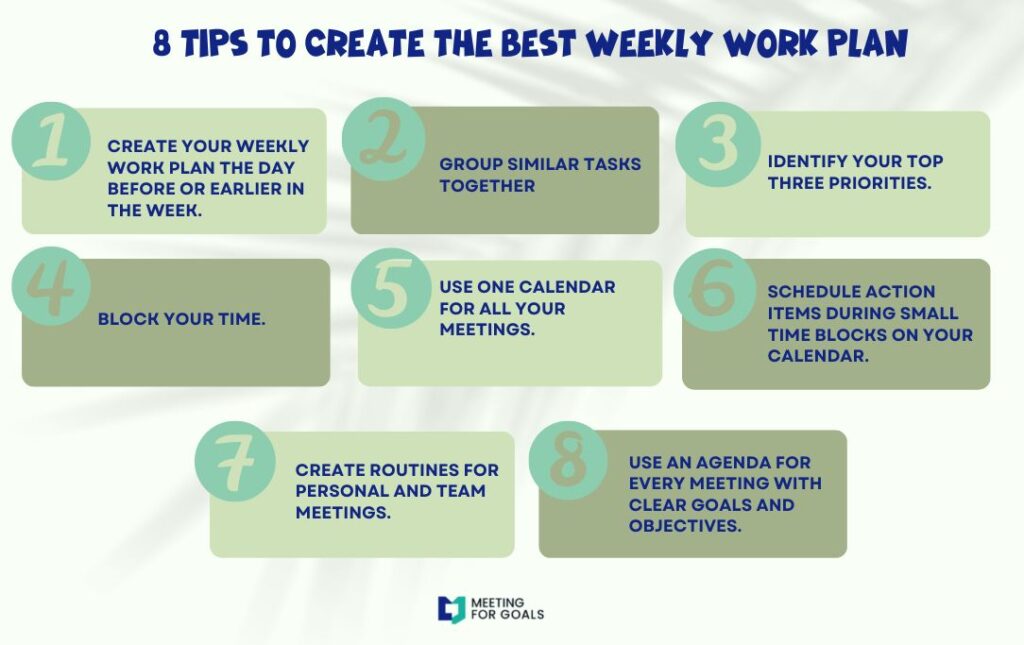
Keep things moving. Ideally, your process should take no more than 2–3 weeks from application to offer. Use scheduling tools and meeting software to coordinate interviews quickly.
A streamlined interview process not only improves the candidate experience—it also reflects your company’s values of clarity, efficiency, and accountability.
Section 5: Assessing Candidate Fit Beyond Skills
Technical skills are important—but they’re just the beginning.
To build a truly high-performing team, you need to look beyond resumes and certifications. You need to understand how a candidate will fit into your team’s culture and long-term vision.
Start by evaluating soft skills. Ask questions like:
- “How do you handle feedback?”
- “Tell me about a time you had to resolve a conflict at work.”
These questions reveal emotional intelligence, adaptability, and communication style—all critical for team harmony and productive meetings.
Consider using personality assessments like DiSC or Myers-Briggs. These tools can help you understand how a candidate prefers to work and communicate.
You can also run team-based exercises during the final interview stage. Assign a group task or problem-solving activity. Observe how the candidate collaborates, listens, and contributes.
Discuss long-term goals. Ask where they see themselves in a few years. Do their aspirations align with your company’s direction? If so, they’re more likely to stay and grow with your team.
And don’t forget to consider how they’ll impact your meetings. Will they bring clarity and focus? Or will they add confusion and friction? Candidates who value structure and accountability will naturally support your goal-driven culture.
By assessing fit beyond skills, you build teams that are not only capable—but cohesive, motivated, and aligned with your mission.
Conclusion
Hiring the right people is one of the most powerful ways to drive business success. It’s not just about filling roles—it’s about building a team that collaborates, communicates, and consistently achieves goals.
By understanding your team’s needs, writing compelling job descriptions, choosing the right recruiting channels, streamlining your interview process, and assessing candidates holistically, you can build a high-performing team that thrives.
These hiring strategies align perfectly with the principles behind Meeting For Goals—focused meetings, strategic alignment, and a culture of accountability.
Ready to take your hiring and meeting efficiency to the next level? Sign up now at here.
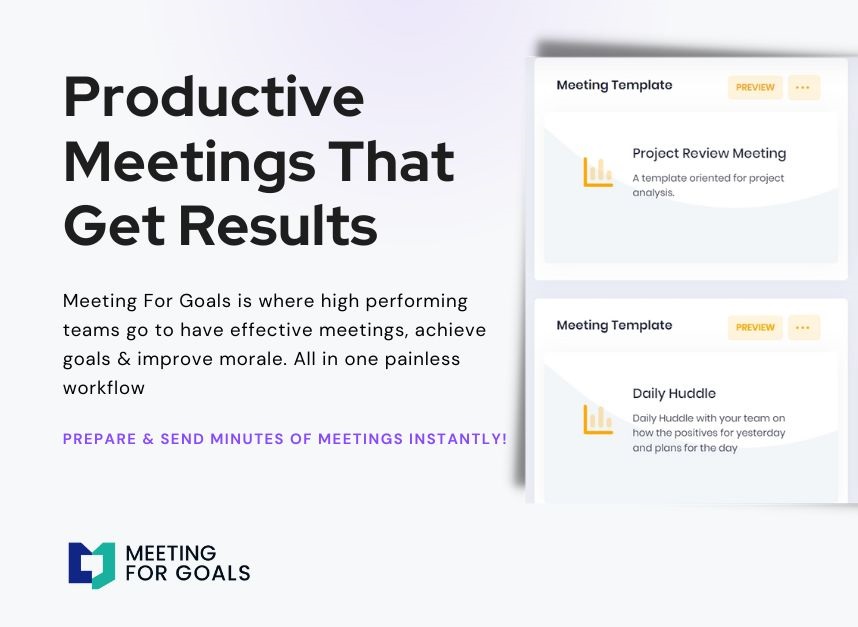
And don’t forget to explore our free meeting templates to help your team stay aligned and productive: Meeting Templates.
Let’s make every meeting—and every hire—count. Visit Meeting For Goals to learn more.