
Cross-Functional Communication: How to Build Better Meetings and Stronger Teams
In today’s fast-paced, hybrid work environment, cross-functional communication isn’t just a nice-to-have—it’s a necessity. For companies with 40 to 70 employees, where departments rely on each other to execute strategic initiatives, the ability to communicate effectively across teams can make or break a project.
But let’s face it—cross-functional collaboration isn’t always easy. Meetings often feel like time-sinks. Miscommunications derail progress, and silos stifle innovation. At Meeting For Goals, we believe that effective cross-functional communication—powered by smarter meetings—is the secret weapon of high-performing teams.
In this guide, we’ll explore what cross-functional communication really means, why it matters, and how you can use simple strategies and powerful tools to:
- Boost collaboration
- Align with company goals
- Get real results
Ready to make your meetings more productive? Start with our free meeting templates at https://meetingforgoals.com/meeting_templates or sign up now at https://app.meetingforgoals.com/TenantRegistration/Register.
2 Minute Video
Watch a 2 minute demo of our meeting management software in action
Introduction
In any growing organization, especially those with 40 to 70 employees, collaboration is key. But when different departments—like marketing, sales, HR, and engineering—speak different “languages,” alignment can feel like an uphill battle.
That’s where cross-functional communication comes in. It’s more than just sending emails or attending meetings. It’s about building a shared understanding, creating trust, and working toward common goals.
When done right, cross-functional communication leads to:
- Faster decisions
- Fewer misunderstandings
- Stronger results
This guide is designed specifically for leaders—Directors, VPs, Presidents, and C-suite executives—who want to build a more connected, goal-driven organization.
Let’s dive in.
Adding an Agenda
How to add an agenda instantly on Meeting For Goals
Understanding Cross-Functional Communication
Cross-functional communication is the exchange of information between people or teams from different departments. It’s what keeps multi-disciplinary teams moving in the same direction.
In smaller companies, cross-functional projects are the rule, not the exception. Launching a new service? You’ll need marketing, product, sales, and support all working together. Without clear communication, things fall apart fast.
Why Cross-Functional Communication Matters
When communication flows well across departments, your team can:
- Make faster, smarter decisions
- Stay aligned on goals
- Eliminate duplicated work
- Improve morale and trust
According to a study from McKinsey, companies that prioritize cross-functional collaboration are 20–25% more productive. That’s a huge edge in today’s competitive market.
Common Barriers to Cross-Functional Communication
Despite its importance, many teams struggle. Here are some common roadblocks:
- Departmental Silos: Teams work in isolation, unaware of what others are doing.
- Different Communication Styles: One team loves detailed reports; another prefers quick chats.
- Lack of Shared Goals: Without a common purpose, teams focus on their own KPIs.
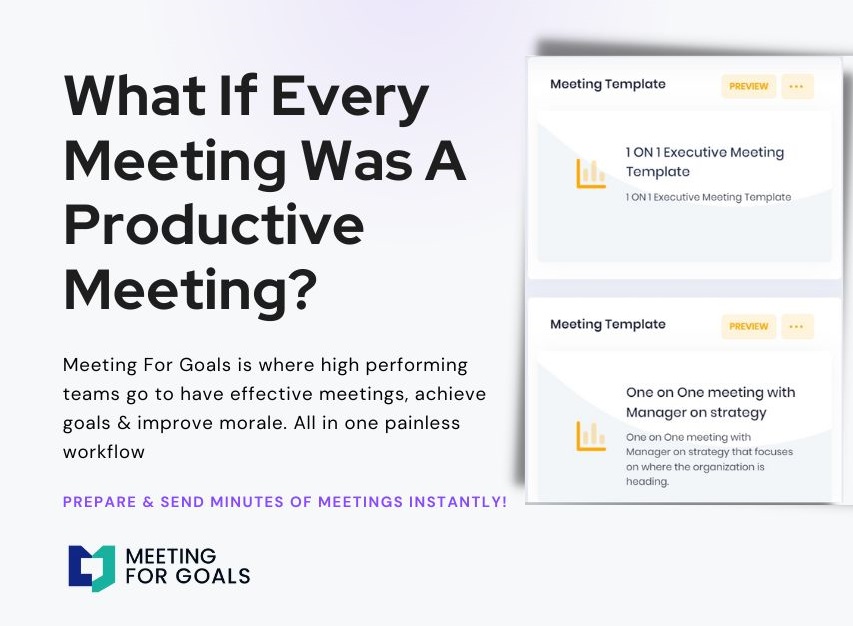
These issues create friction, slow down projects, and lead to frustration. That’s where Meeting For Goals steps in—with tools that break down silos and bring everyone to the same table.
Impact on Productivity
Poor communication leads to:
- Longer meetings
- Repeated conversations
- Missed deadlines
Employees feel disconnected and disengaged. Projects stall, and progress slows.
Meeting For Goals helps eliminate these challenges by creating a single source of truth for your meetings. With shared agendas, clear goals, and action tracking, your team stays aligned and accountable.
The Role of Effective Meetings in Communication
Meetings are where cross-functional communication either thrives—or fails. Done right, they’re powerful tools for alignment and progress. Done wrong, they’re a waste of time.
Setting the Stage for Collaboration
Great meetings don’t just happen. They’re planned with intention.
To set the stage for effective collaboration:
- Define the meeting’s purpose
- Invite the right mix of stakeholders
- Set clear expectations for engagement
This structure is especially important when different departments are involved. It ensures that everyone feels heard and valued.
The Power of a Focused Agenda
A focused agenda is the backbone of a productive meeting. It keeps the conversation on track and ensures that every topic ties back to your company’s goals.
A strong agenda:
- Lists discussion points clearly
- Assigns time blocks to each topic
- Names the person responsible for each section
- Connects agenda items to strategic objectives
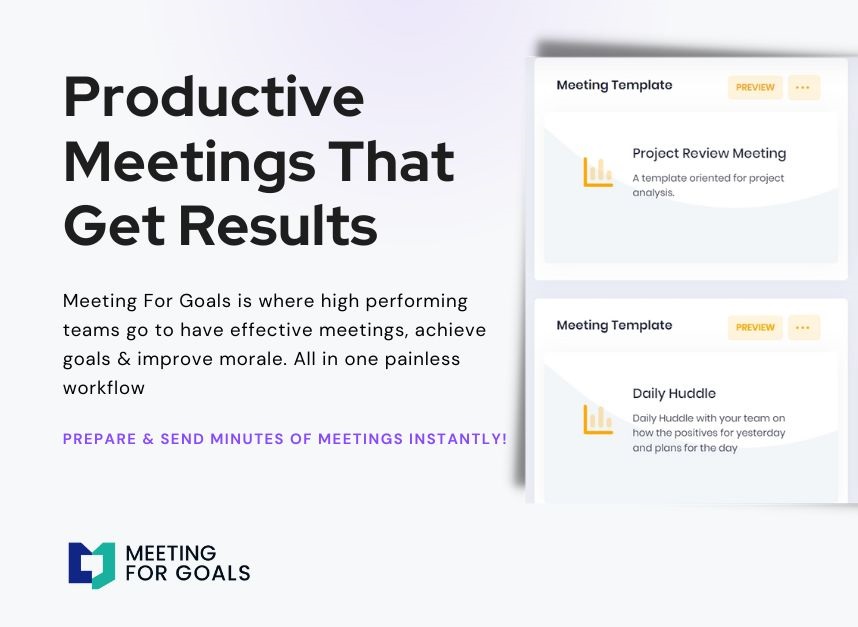
With Meeting For Goals, creating and sharing agendas is simple. Our platform makes sure everyone shows up prepared and ready to contribute.
Using Meeting Management Software
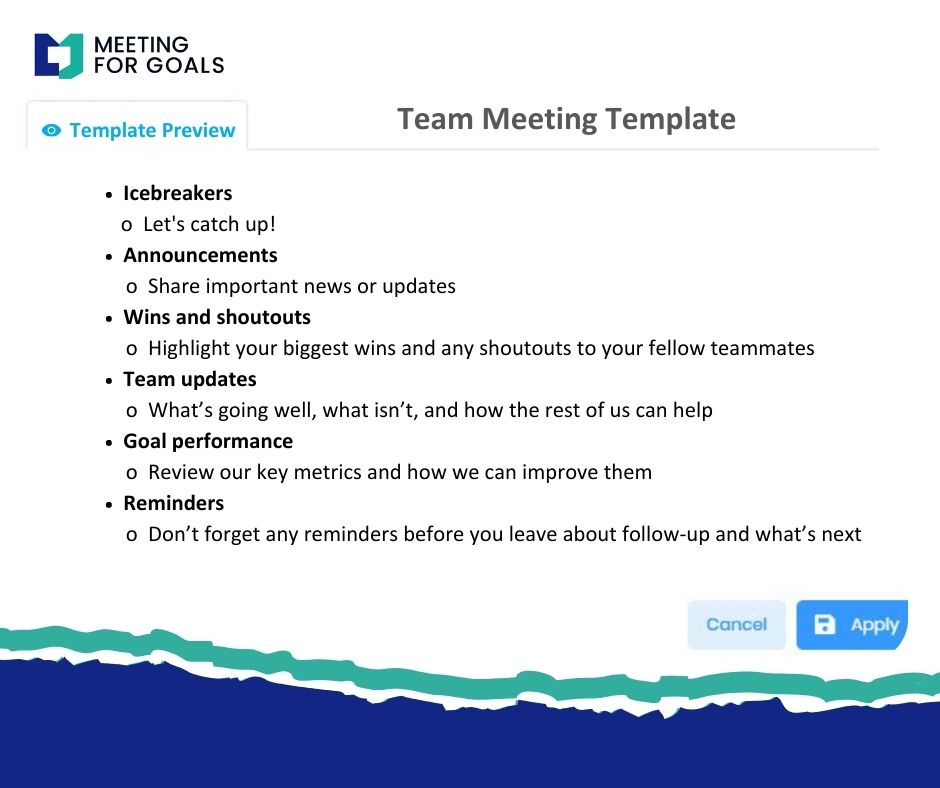
Meeting For Goals isn’t just another calendar tool. It’s a meeting productivity platform designed to align your team with your company’s goals.
Here’s how it helps:
- Goal Integration: Tie every meeting to a strategic objective
- Time Management: Keep meetings on track with built-in timers
- Accountability Tracking: Assign tasks and follow up automatically
- Cross-Functional Visibility: Share meeting notes across teams
By automating the meeting process, our software saves time and ensures every meeting drives progress.
Strategies for Enhancing Cross-Functional Communication
Improving communication across departments doesn’t happen overnight. It takes the right tools, habits, and culture.
Here are some proven strategies:
Encourage Open Dialogue
Psychological safety is key. People need to feel safe speaking up, asking questions, and sharing ideas.
To promote open dialogue:
- Start meetings with a quick check-in
- Ask open-ended questions
- Acknowledge and appreciate all contributions
Meeting For Goals supports inclusive communication by giving every participant a structured space to speak and contribute.
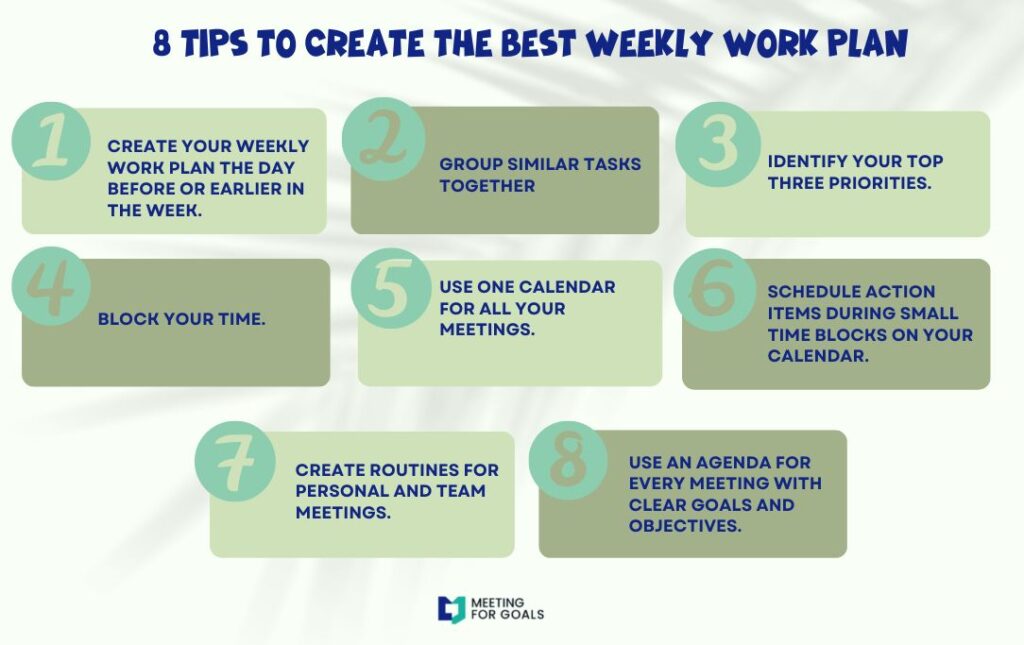
Schedule Regular Cross-Departmental Touchpoints
Don’t wait for problems to arise. Schedule regular check-ins between departments to build relationships and stay aligned.
Some examples:
- Weekly team syncs
- Monthly strategy updates
- Quarterly goal reviews
Consistency is key. Regular meetings build trust and make it easier to collaborate when challenges arise.
Leverage the Right Technology
The right tools make cross-functional communication easier. Here are a few essentials:
- Slack or Microsoft Teams for instant messaging
- Trello or Asana for project tracking
- Google Drive or Notion for document sharing
Meeting For Goals brings it all together. It acts as your central hub for meeting agendas, notes, goals, and follow-ups—keeping everyone on the same page.
Aligning Meetings with Company Goals
One of the most powerful ways to improve communication is to align every meeting with your company’s strategic goals.
Strategic Alignment
Every meeting should have a purpose. That purpose should connect directly to one or more company objectives.
When meetings are aligned with strategy:
- Teams stay focused on what matters
- Resources are used more effectively
- Progress is easier to measure
Meeting For Goals lets you tag meetings with specific goals, so you can track how your time is being spent—and whether it’s moving the business forward.
Accountability and Responsibility
Clear communication starts with clear roles. In cross-functional meetings, it’s essential to define who owns what.
Use your meeting agenda to:
- Assign tasks
- Set deadlines
- Record decisions
Our platform automates this process, so nothing falls through the cracks. Everyone knows what they need to do—and by when.
Measuring Success
How do you know if your meetings are working?
Track metrics like:
- Meeting duration vs. planned time
- Task completion rate
- Goal alignment score
- Participant engagement
Meeting For Goals provides built-in analytics to help you measure and improve meeting effectiveness over time.
Overcoming Challenges in Cross-Functional Communication
Even with the best tools and intentions, communication can still be messy. The key is to tackle challenges directly.
Dealing with Miscommunication
Misunderstandings happen when people assume instead of clarify. One team may interpret a goal differently than another—or use unfamiliar jargon.
To reduce miscommunication:
- Encourage clarifying questions
- Use visuals or real-life examples
- Summarize key points before ending the meeting
Meeting For Goals helps by documenting everything—agendas, decisions, and tasks—so everyone is on the same page.
Managing Conflicts
Disagreements are natural, especially when departments have different priorities. The goal isn’t to avoid conflict, but to manage it constructively.
Tips for healthy conflict resolution:
- Focus on facts, not personalities
- Listen to understand, not to respond
- Use a neutral facilitator for tough discussions
Our platform supports this by providing an objective framework for discussions, based on shared goals and documented outcomes.
Fostering a Collaborative Environment
Culture is everything. Leaders need to model the behaviors they want to see—openness, respect, and accountability.
To build a collaborative culture:
- Recognize and reward cross-functional teamwork
- Create informal opportunities to connect
- Encourage feedback and reflection
Meeting For Goals reinforces this by making collaboration easy and transparent. With shared visibility, clear responsibilities, and feedback loops, your team works better—together.
Conclusion
Cross-functional communication isn’t just a buzzword—it’s your competitive edge. For companies with 40 to 70 employees, it’s the key to agility, innovation, and growth.
In this guide, we covered:
- What cross-functional communication is—and why it matters
- How to run better meetings that drive alignment
- Strategies for building trust and collaboration
- How to align meetings with company goals
- Ways to overcome common communication challenges
The best part? You don’t have to do it alone.
Meeting For Goals gives you the structure, tools, and insights to transform your meetings into engines of cross-functional success.
Start building stronger teams today. Sign up at https://app.meetingforgoals.com/TenantRegistration/Register or explore our free meeting templates at https://meetingforgoals.com/meeting_templates.
Looking for more ways to improve your team’s collaboration? Visit https://meetingforgoals.com and learn how high-performing companies are redefining the way they meet, communicate, and win—together.
External Sources
-
McKinsey & Company – The Keys to Organizational Agility: https://www.mckinsey.com/business-functions/organization/our-insights/the-keys-to-organizational-agility
-
Harvard Business Review – Collaborative Overload: https://hbr.org/2016/01/collaborative-overload