
Daily Scrum: Maximizing Team Efficiency through Effective Meetings
In today’s fast-paced business environment, high-performing teams are always looking for ways to streamline communication, boost accountability, and drive results. One of the most effective tools in the Agile playbook is the Daily Scrum—a short, focused meeting designed to align team members and eliminate roadblocks. However, without the right structure and tools, these meetings can turn into time-wasting status updates. That’s why we’ve created this guide to help you get the most out of your Daily Scrums. We will also show you how Meeting For Goals, a powerful meeting management software, can turn these meetings into high-impact, goal-driven sessions.
Looking to take your meetings to the next level? Start by exploring our free meeting templates. Or sign up now to experience Meeting For Goals firsthand at this link.
I. Introduction
What Is a Daily Scrum?
The Daily Scrum, often called the Daily Stand-Up, is a core practice in Agile and Scrum methodologies. It’s a quick, 15-minute meeting held every workday where team members share progress, plans, and blockers. The idea is to keep everyone aligned and moving forward.
Unlike traditional status meetings, the Daily Scrum isn’t just for reporting to managers. It’s a team-led conversation focused on collaboration and continuous improvement. When done right, it builds momentum and strengthens team cohesion.
Why This Blog Matters
This guide is designed for leaders—Directors, VPs, Presidents, and C-suite executives. We want to help them transform their teams’ Daily Scrums into strategic assets. We’ll cover:
- Best practices
- Common pitfalls
- How to align these meetings with broader company goals
Most importantly, we’ll show you how Meeting For Goals can make your Daily Scrums more focused, productive, and aligned with your business strategy. This software is built to help teams thrive with features like:
- Real-time tracking
- Automated summaries
- Goal alignment
II. The Essentials of a Daily Scrum
What Makes a Daily Scrum Effective?
A productive Daily Scrum isn’t just about showing up; it needs structure. Here are the key elements:
- Time-Boxing: Keep it short—15 minutes max. This forces everyone to be concise and focused. Long meetings drain energy and lead to disengagement.
- The Three Questions: Each team member should answer:
- What did I do yesterday to help achieve the sprint goal?
- What will I do today?
- Are there any blockers in my way?
- Consistent Format: Consistency is key. Each Scrum should follow the same format to stay efficient, regardless of team size. Suggested timeframes include:
- 5–7 members: 10–15 minutes
- 8–10 members: 15 minutes (strictly enforced)
- 10+ members: Break into smaller sub-teams or stagger the meetings
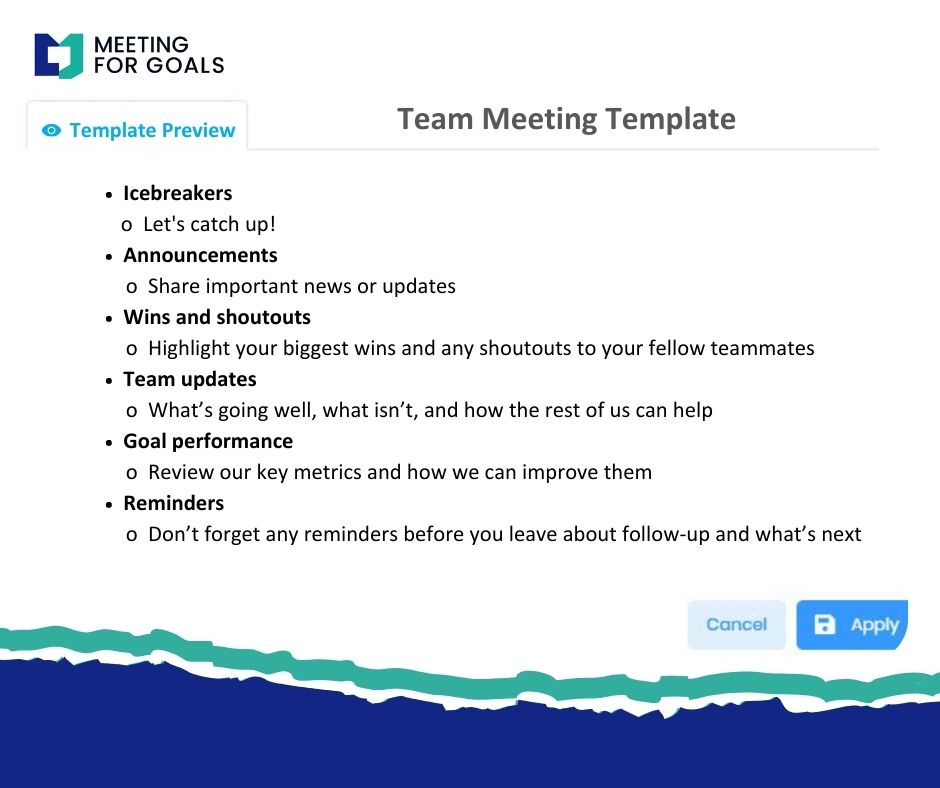
Meeting For Goals helps teams stick to this format by offering templated agendas, timers, and automatic note logging. It’s a simple way to keep things on track—every single day.
2 Minute Video
Watch a 2-minute demo of our meeting management software in action.
III. Benefits of Conducting a Daily Scrum
Done right, the Daily Scrum delivers big benefits that ripple through your entire organization.
- Better Communication and Transparency: Daily Scrums create a routine touchpoint for updates. This reduces the need for endless emails and side meetings. Everyone hears the same information at the same time, building trust and clarity.
- Stronger Alignment: When team members know how their work connects to sprint and business goals, they’re more focused. Using Meeting For Goals makes this easy by linking daily discussions to company objectives. Leaders can see how daily work supports quarterly or annual targets.
- Increased Accountability: Saying your plans out loud in front of your team builds accountability. Nobody wants to be the one who didn’t follow through. This peer pressure drives performance and ownership.
- Faster Problem Solving: The Daily Scrum is the perfect place to identify blockers early. Flagging issues quickly means you can solve them faster. Meeting For Goals lets you log blockers in real-time, assign follow-ups, and track progress.
For more on how Daily Scrums support Agile success, check out this article from Atlassian.
IV. Common Challenges in Daily Scrum Meetings
Even short meetings can go off the rails. Here are the most common problems—and how to fix them.
- Going Over Time: When people ramble or dive into problem-solving, the meeting drags on. Stick to the three questions and save deep dives for follow-up meetings.
- Low Engagement: If team members treat the Scrum like a chore, energy drops. Signs of disengagement include multitasking, showing up late, or giving vague updates.
- Losing Focus: The Scrum isn’t a brainstorming session. When it turns into a planning meeting, it loses its purpose.
How to Fix It
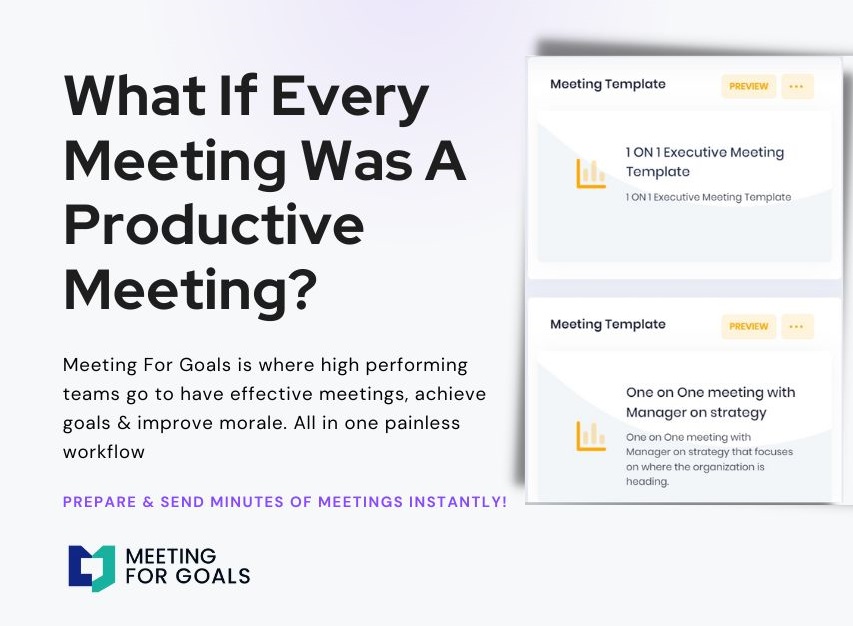
- Use Meeting For Goals to enforce time limits, track participation, and keep agendas consistent.
- Train your Scrum Master to steer the conversation and keep things on track.
- Rotate facilitators to keep things fresh and involve the whole team.
Meeting For Goals also provides engagement metrics, allowing you to spot patterns and address them early.
V. Best Practices for an Effective Daily Scrum
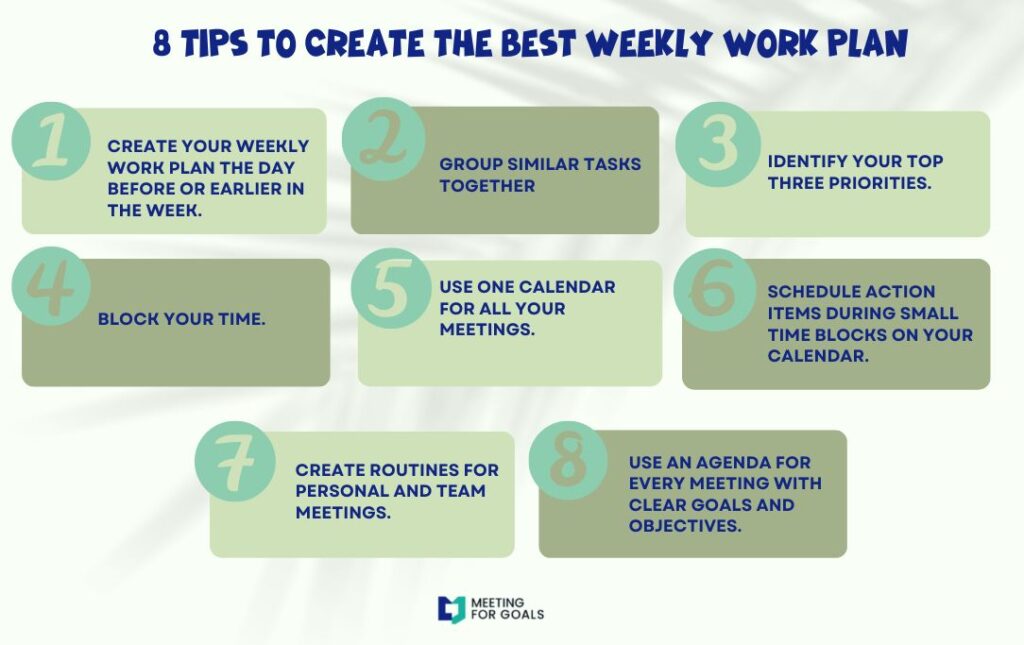
Want to get more from your Daily Scrums? Here are some simple but powerful best practices:
- Prepare Ahead of Time: Encourage team members to think about their updates before the meeting. This helps them stay concise and focused.
- Use a Clear Agenda: Having a visible agenda keeps everyone aligned. Meeting For Goals lets you create recurring templates, so every meeting starts on the right foot.
- Empower the Scrum Master: The Scrum Master is the meeting’s guide. They should:
- Keep the meeting within its timebox
- Ensure everyone gets a chance to speak
- Redirect off-topic conversations
- Track blockers and assign follow-ups
- Leverage Technology: Modern teams need modern tools. Meeting For Goals integrates technology to make Daily Scrums more effective:
- Link meetings to strategic goals
- Assign tasks and track progress
- Generate automated summaries
- Monitor accountability metrics
By using the right tech, your Daily Scrum becomes a driver of strategy, not just a routine check-in. Looking for a tool to support these best practices? Sign up for Meeting For Goals at this link and start transforming your meetings today.
VI. Real-World Impact: A Case Example
Let’s look at how one company used Daily Scrums and Meeting For Goals to drive results.
A mid-sized SaaS company with five Agile teams struggled with alignment and missed deadlines. They implemented structured Daily Scrums using Meeting For Goals.
Results in 3 months:
- 40% reduction in unresolved blockers
- 25% increase in sprint goal completion
- 30% improvement in team satisfaction scores
By using templates, tracking responsibilities, and aligning meetings with business goals, they turned a daily ritual into a competitive advantage. For more on how Scrum meetings impact productivity, check out this Harvard Business Review article.
VII. Conclusion
The Daily Scrum is more than a quick check-in. It’s a strategic tool that improves communication, builds accountability, and keeps your team aligned.
By following best practices—like timeboxing, using clear agendas, and leveraging the right technology—you can make every 15-minute meeting count.
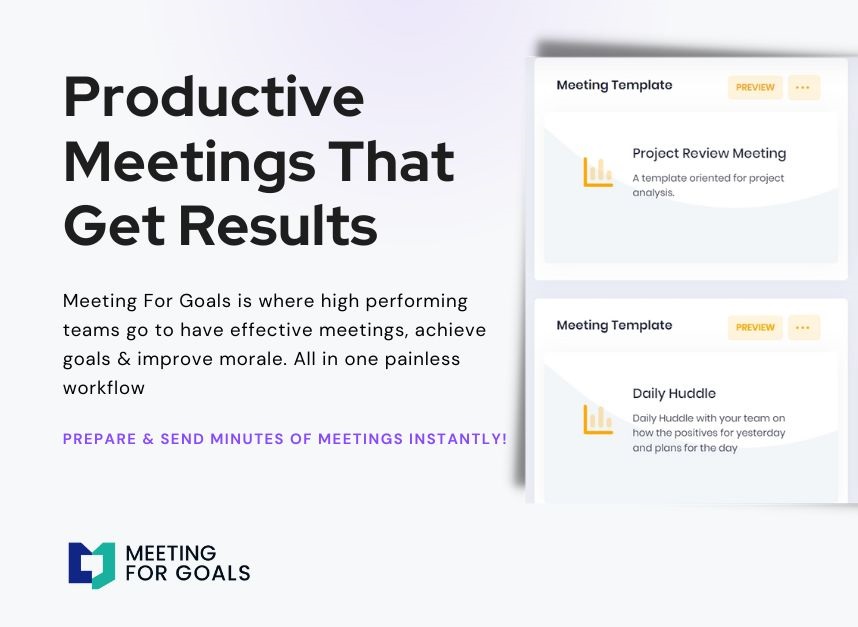
Ready to take action? Start by exploring our free meeting templates. Or visit Meeting For Goals to learn more about how this software can help your team stay focused and aligned.
When you’re ready to upgrade your meeting culture, sign up for a free trial at this link. Experience what a truly focused, goal-driven meeting looks like.
Don’t let your Daily Scrums become just another checkbox. Make them a cornerstone of your company’s success.
Keywords: Daily Scrum, Agile meetings, meeting management software, team productivity, executive leadership, effective meetings, Meeting For Goals, goal alignment, team accountability, Scrum best practices.
Word Count: ~2,050