
How to Prepare Minutes of Meeting: A Strategic Guide for High-Performing Teams
In the fast-paced world of business, meetings are where ideas are born, decisions are made, and strategies are aligned. But without proper documentation, even the most productive meeting can lose its impact. That’s where meeting minutes come in.
For high-level executives and team leaders, knowing how to prepare minutes of meeting isn’t just an administrative task—it’s a strategic move. Done right, meeting minutes drive accountability, transparency, and performance. In this guide, we’ll walk you through everything you need to know to create effective meeting minutes—and how Meeting For Goals can make the process easier and more impactful.
Want to improve your meetings today? Sign up now at https://app.meetingforgoals.com/TenantRegistration/Register and explore our free meeting templates at https://meetingforgoals.com/meeting_templates to get started.
2 Minute Video
Watch a 2 minute demo of our meeting management software in action
Understanding the Purpose of Meeting Minutes
Before you start writing, it’s important to understand why meeting minutes matter. They serve three main purposes:
- Documentation: Meeting minutes provide a written record of what happened. This includes who attended, what topics were discussed, decisions that were made, and any tasks that were assigned. For growing teams and cross-functional departments, this kind of documentation ensures consistency and clarity.
- Reference: Think of meeting minutes as your team’s memory bank. They help everyone stay on the same page and avoid repeating discussions. If someone missed a meeting, they can catch up quickly. If a decision needs to be revisited, you’ll have the context ready.
- Accountability: Perhaps the most valuable function of meeting minutes is accountability. When action items are clearly assigned and deadlines are set, it’s easier to track progress. This is especially critical for high-performing teams where speed and clarity matter.
Accurate minutes can also protect your organization from miscommunication and legal issues. According to the Harvard Business Review, well-documented meetings can significantly reduce misunderstandings and help teams make better decisions.
Meeting For Goals simplifies this by letting you capture key points in real-time, assign action items, and link discussions to company goals—all within one platform.
Adding an Agenda
How to add an agenda instantly on Meeting For Goals
Preparing for the Meeting: Laying the Groundwork for Effective Minutes
Effective meeting minutes begin with preparation. A few minutes of prep can make all the difference in how useful your final notes will be.
- Review the Agenda: Start with the agenda. It’s your roadmap for the meeting. Reviewing it in advance helps you anticipate what will be discussed and identify key points to capture. You can also prepare a note-taking template based on the agenda items.
- Understand the Participants: Know who’s attending and what their roles are. If the CFO is discussing budget updates, you’ll want to pay close attention to financial decisions. Understanding who’s in the room helps you focus your notes on the most relevant information.
- Familiarize Yourself with the Topics: Review any pre-meeting materials or previous minutes. This will help you understand the context behind each agenda item and allow you to capture changes, updates, or new decisions accurately.
- Choose the Right Tools: Manual note-taking is outdated and often inefficient. Use tools that streamline the process. Meeting For Goals offers real-time note-taking, task assignment, and agenda integration—all in one place. You can also customize templates to fit your organization’s needs.
- Set Expectations: Let participants know you’re taking minutes and capturing key points. This encourages more structured discussions and helps people be clear about decisions and responsibilities.
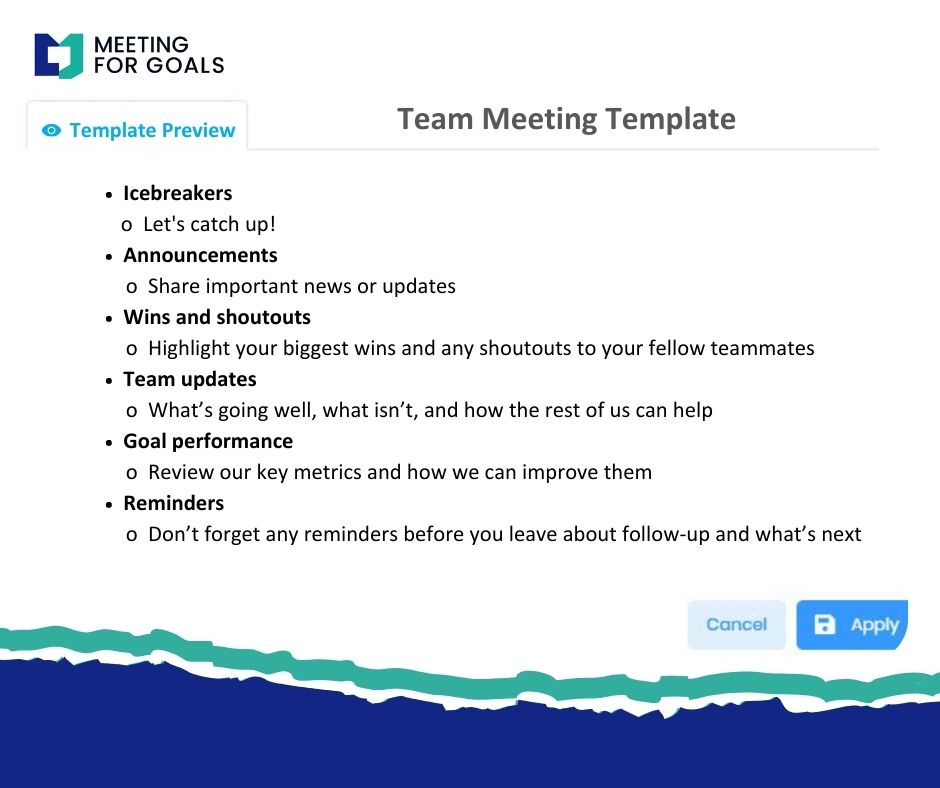
Want a head start? Browse our free meeting templates at https://meetingforgoals.com/meeting_templates to find one that fits your meeting type.
Key Components of Effective Meeting Minutes
Great meeting minutes are clear, concise, and actionable. Here’s what you should include:
- Basic Meeting Information: Start with the basics:
- Date and time
- Location (virtual or in-person)
- Type of meeting (e.g., strategy review, project update)
- Facilitator or chairperson
- Attendees and Absentees: List everyone who attended and note any key absences. This clarifies who was part of the conversation and who needs a follow-up.
- Agenda Items Discussed: Break down the meeting by topic. For each item, include:
- A brief summary of the discussion
- Any decisions made
- Any open questions or unresolved issues
- Action Items: This is the most important section. For each task, include:
- What needs to be done
- Who is responsible
- Due date or deadline
- Any dependencies
- Summary of Key Decisions: Highlight major decisions, especially those related to budget, timelines, or strategy. This allows stakeholders to quickly understand the outcomes.
- Next Steps and Upcoming Meetings: Wrap up with a list of next steps and the date of the next meeting. This helps maintain momentum and ensures continuity.
Formatting Tips:
- Use bullet points
- Keep language neutral and professional
- Avoid unnecessary jargon
- Use headings to organize sections
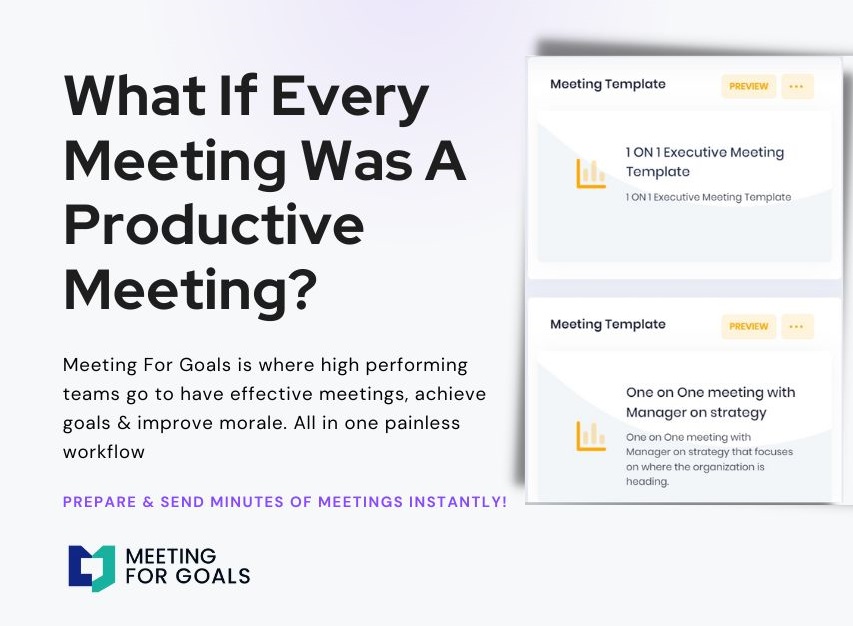
Meeting For Goals offers customizable templates that make formatting easy and consistent across your organization.
Best Practices for Taking Minutes During the Meeting
Taking minutes in real-time can be challenging. Here are some tips to make it easier:
- Use Concise Language: Don’t try to write down everything. Focus on the key points—decisions, actions, and deadlines. Use bullet points and short sentences to keep things clear.
- Listen Actively: Pay attention to what’s being said. If something isn’t clear, ask for clarification. It’s better to confirm than to guess.
- Leverage Technology: Meeting For Goals lets you take notes directly in the meeting interface, assign tasks on the fly, and tag discussions with relevant company goals. You can even collaborate with co-hosts in real time.
- Record the Meeting (If Appropriate): For important or complex meetings, consider recording the session (with permission). This provides a backup and allows you to revisit any unclear points.
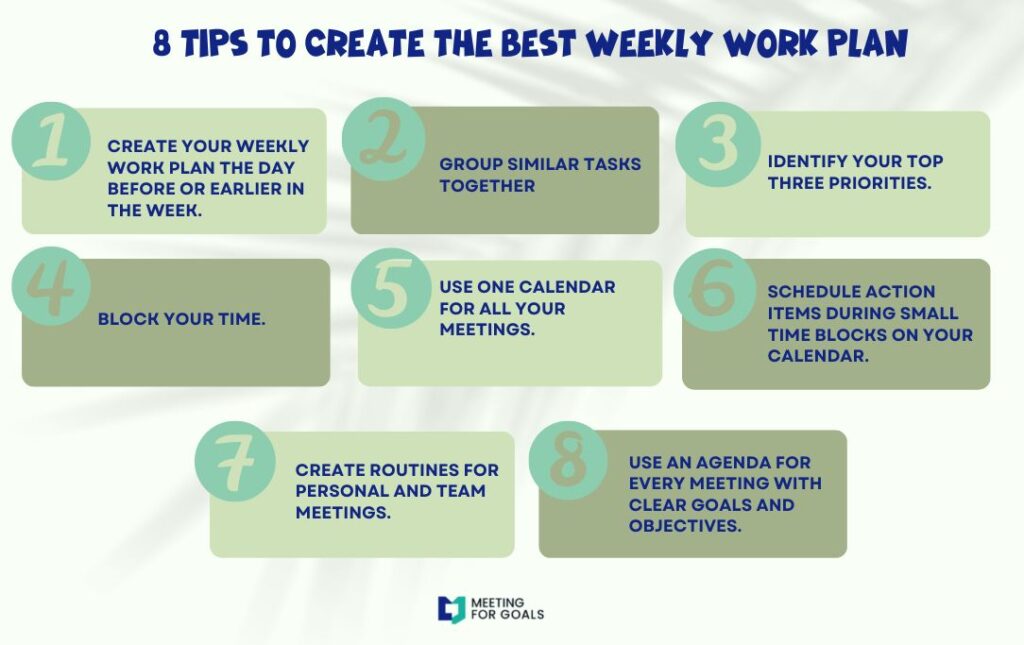
- Stay Organized: Use a consistent format for all your minutes. This not only looks professional but also makes it easier to compare and reference past meetings.
Need a ready-to-use format? Check out our free templates at https://meetingforgoals.com/meeting_templates.
After the Meeting: Finalizing and Sharing the Minutes
Once the meeting is over, your job isn’t done. Finalizing and distributing the minutes is just as important as taking them.
- Review and Edit: Go over your notes while the meeting is still fresh. Clarify any vague points and ensure all action items are clearly assigned.
- Distribute Promptly: Send the minutes to all participants within 24 hours. This keeps the momentum going and ensures that everyone knows what they’re responsible for.
- Use a Central Repository: Store all meeting minutes in a shared location, such as a project management tool or cloud drive. Meeting For Goals allows you to store and search past minutes easily, so nothing gets lost.
- Track Action Items: Don’t just document tasks—follow up on them. Use Meeting For Goals to assign deadlines and track progress, so you can hold team members accountable.
- Encourage Feedback: Invite feedback on the minutes, especially if something is unclear or missing. This promotes transparency and ensures everyone is aligned.
Conclusion: Turn Meetings into Momentum
Meeting minutes aren’t just a formality. They’re a powerful tool for driving results. When done right, they help teams stay aligned, follow through on decisions, and move faster toward their goals.
For high-level executives and team leaders, mastering how to prepare minutes of meeting can be a game-changer. It’s not just about writing things down—it’s about creating a culture of accountability and execution.
By using tools like Meeting For Goals, you can make the entire process easier, faster, and more effective. From real-time note-taking to task tracking and goal alignment, our platform is built to help high-performing teams succeed.
Ready to transform your meetings? Sign up today at https://app.meetingforgoals.com/TenantRegistration/Register and start using our free templates at https://meetingforgoals.com/meeting_templates.
Want to learn more? Visit https://meetingforgoals.com and discover how we help teams turn meetings into momentum.