
Skip Level Meeting Meaning: What It Is and Why It Matters for High-Performing Teams
In today’s fast-paced business world, communication and employee engagement are more important than ever. One powerful way high-performing organizations are bridging communication gaps is through skip level meetings. But what is the real skip level meeting meaning, and why should you care?
In this guide, we’ll break it all down—what skip level meetings are, how they work, why they matter, and how to run them effectively. Whether you’re a VP, Director, or C-suite leader, this article will help you harness the full power of skip level meetings to boost alignment, accountability, and team performance.
Want to make your meetings more impactful from the start? Explore our free meeting templates to get started with purpose-driven agendas.
2 Minute Video
Watch a 2 minute demo of our meeting management software in action
Understanding Skip Level Meetings
I. Introduction
- A. What Is a Skip Level Meeting?
A skip level meeting is a direct conversation between a senior leader and employees who are two levels below them in the organizational chart. For instance, a VP might meet with team members who report to department managers, skipping the middle manager level.
This type of meeting gives employees a chance to speak directly with leadership. It creates a more open and transparent communication channel. It’s not about bypassing managers—it’s about building trust, surfacing insights, and aligning the organization from top to bottom.
- B. Why This Topic Matters
The goal of this blog is to help leaders understand the full value of skip level meetings and how to implement them effectively. We’ll cover structure, benefits, common challenges, and best practices.
At Meeting For Goals, we believe that every meeting should be intentional, aligned with business objectives, and designed to drive results. Skip level meetings are one of the most effective ways to achieve that. If you’re looking to boost team performance, reduce friction, and build a culture of accountability, this guide is for you.
Want to put these ideas into practice? Sign up now to start running goal-driven meetings with Meeting For Goals.
Adding an Agenda
How to add an agenda instantly on Meeting For Goals
II. The Structure of Skip Level Meetings
- A. Who Attends?
Skip level meetings typically involve a senior leader—like a Director, VP, or C-suite executive—and employees who are two levels down in the hierarchy. These employees usually report to the leader’s direct reports.
Let’s say you’re a Director of Operations. Your direct reports are Operations Managers. In a skip level meeting, you’d meet with the Coordinators or Analysts who report to those Managers.
It’s important to clarify that these meetings are not meant to undermine middle managers. Instead, they’re a complement to existing reporting structures. They provide leaders with a broader view of the team’s challenges, successes, and ideas.
- B. When and How Often Should You Hold Them?
There’s no one-size-fits-all answer, but most companies find that holding skip level meetings quarterly or bi-annually works well. This cadence keeps leadership connected without overwhelming anyone’s schedule.
Best practices for timing include:
- Avoid peak workload periods like end-of-quarter deadlines.
- Schedule in advance to give employees time to prepare.
- Spread meetings across departments to manage time efficiently.
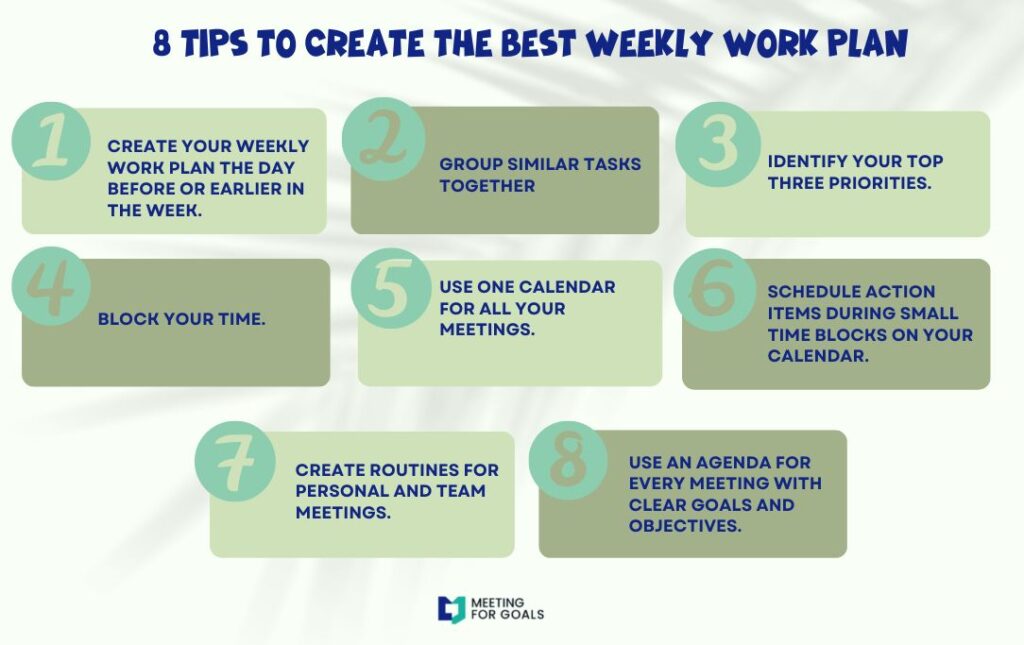
Using a meeting management tool like Meeting For Goals can help automate scheduling, track attendance, and align agendas with strategic goals.
III. The Purpose and Benefits of Skip Level Meetings
- A. Encouraging Honest Communication
One of the biggest advantages of skip level meetings is the opportunity for open, honest dialogue. Employees may hesitate to share concerns with their direct manager, but they might feel more comfortable sharing with senior leadership in a safe, respectful setting.
These meetings give leaders real-time insights into team morale, challenges, and ideas. It’s a chance to hear directly from the people doing the work—without the filters that can sometimes come with layers of management.
According to Harvard Business Review, organizations that promote open communication are more agile and better equipped to handle change.
- B. Spotting Problems and Opportunities Early
Employees on the front lines often see problems before anyone else. Whether it’s a broken process, an inefficient workflow, or a customer pain point, they’re in the best position to spot issues early.
Skip level meetings are a goldmine for surfacing:
- Bottlenecks in operations
- Communication breakdowns
- Innovative ideas for improvement
These insights can be used to make smarter decisions and drive continuous improvement.
- C. Boosting Employee Engagement and Retention
When employees feel heard and valued, they’re more likely to stay engaged and committed. Skip level meetings send a powerful message: “We care about your perspective.”
This can lead to:
- Higher job satisfaction
- Reduced turnover
- A stronger sense of ownership
At Meeting For Goals, we’ve seen firsthand how these meetings can transform company culture. When people feel connected to leadership, they’re more motivated to contribute and go the extra mile.
IV. How to Run a Skip Level Meeting Effectively
- A. Set Clear Goals
Before the meeting, define what you want to achieve. Are you trying to gauge morale? Get feedback on a new initiative? Identify process gaps?
Clear objectives make the meeting more focused and productive. Share your goals with attendees ahead of time so they know what to expect.
Want help setting the right goals for your meetings? Check out our free meeting templates to get started.
- B. Build a Simple, Effective Agenda
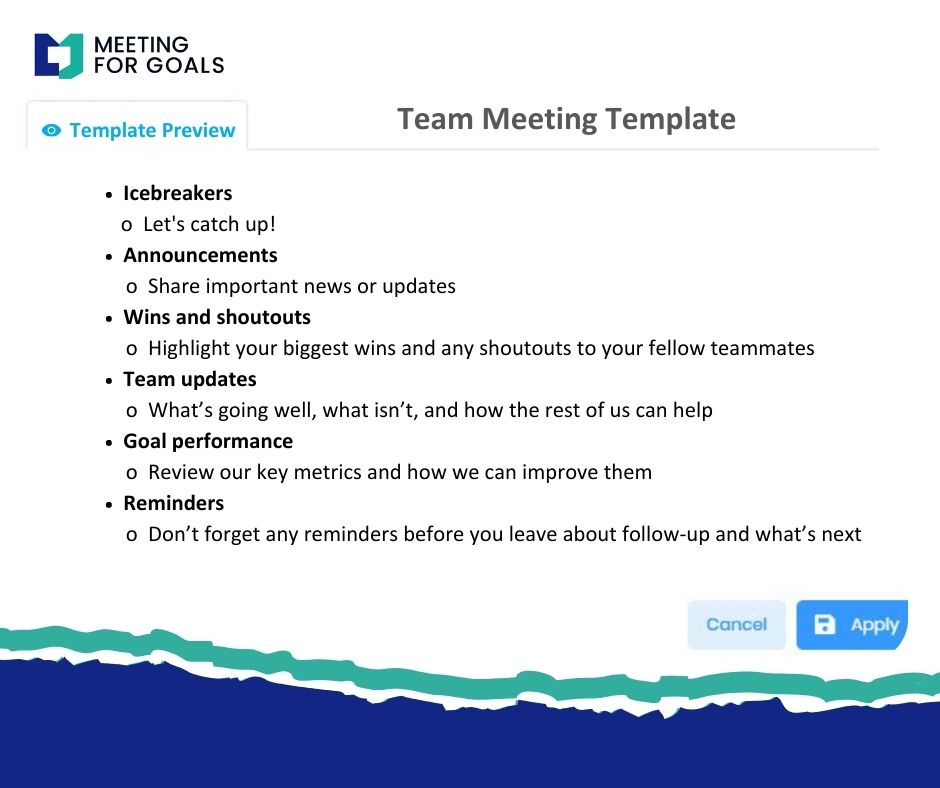
An agenda keeps the meeting on track and ensures that key topics are covered. A good skip level meeting agenda might include:
- Wins and challenges from the team
- Feedback on leadership and communication
- Suggestions for improvement
- Alignment with company goals
With Meeting For Goals, you can create and save customized agendas that tie directly to your strategic objectives.
- C. Create a Comfortable Environment
Employees may feel nervous speaking to senior leadership. It’s your job to put them at ease.
Here are some tips:
- Start with a casual icebreaker to build rapport.
- Use open-ended questions like “What’s been working well lately?” or “What could we be doing better?”
- Reiterate that the meeting is a safe space for honest feedback.
You can also collect anonymous input before the meeting using surveys or feedback forms. This helps surface issues that employees might hesitate to bring up in person.
- D. Follow Up and Take Action
A meeting is only valuable if it leads to action. After the meeting:
- Summarize key takeaways and action items.
- Share updates with the team to show that their input is taken seriously.
- Track progress on follow-up items.
Meeting For Goals makes it easy to capture notes, assign tasks, and measure outcomes—all in one place.
V. Common Challenges and How to Overcome Them
- A. Breaking the Ice
It’s natural for employees to feel nervous about meeting with senior leaders. To reduce tension:
- Be approachable and transparent.
- Let them know you’re there to listen, not to judge.
- Avoid being defensive if you hear criticism.
Tools like Meeting For Goals allow employees to submit anonymous feedback in advance, which can help break the ice and get the conversation flowing.
- B. Staying Focused
Without structure, skip level meetings can drift off-topic. To stay focused:
- Stick to the agenda.
- Use a timer to manage time for each topic.
- Assign someone to take notes and track next steps.
Our platform includes built-in time tracking and real-time notes to help keep meetings on track and productive.
- C. Measuring Success
How do you know if your skip level meetings are working?
Track key metrics like:
- Employee satisfaction survey results
- Turnover rates
- Number of actionable insights implemented
- Progress toward strategic goals
Using Meeting For Goals, you can generate post-meeting reports that connect meeting outcomes to business objectives.
For more on how to measure meeting effectiveness, check out this article from Gallup on employee engagement metrics.
VI. Real-World Examples of Skip Level Meetings in Action
- A. Tech Startup with 50 Employees
A growing SaaS company implemented quarterly skip level meetings to stay connected as the team expanded. The CEO met with engineers, marketers, and support reps to hear their thoughts directly.
The result? Faster problem-solving, better cross-team alignment, and a noticeable boost in morale.
- B. Mid-Sized Retail Chain
A regional manager at a retail chain started holding skip level meetings with store associates. These sessions uncovered inventory issues and customer feedback that hadn’t reached upper management.
Changes were made quickly, leading to improved customer satisfaction scores and smoother operations.
VII. Best Practices and Tips
– Be consistent. Make skip level meetings a regular part of your communication rhythm.
– Keep it informal. You don’t need slides or presentations—just a genuine conversation.
– Listen more than you talk. The goal is to understand, not to lecture.
– Close the loop. Let employees know what changes are being made based on their feedback.
VIII. Conclusion
- A. Why Skip Level Meetings Matter
Skip level meetings are a powerful tool for building trust, improving communication, and driving performance. They give leaders a direct line to the people doing the work—and give employees a chance to be heard.
In companies with 40–70 employees, these meetings can be especially impactful. They help bridge gaps, align efforts, and create a shared sense of purpose.
- B. Take the First Step
Ready to start building a culture of transparency and accountability? Skip level meetings are a great place to begin.
Use Meeting For Goals to create structured agendas, track feedback, and align every meeting with your company’s goals.
Sign up here to start using Meeting For Goals today.
- C. Final Thoughts
Your team’s time is valuable. Make every meeting count. With the right structure and mindset, skip level meetings can become one of your most effective leadership tools.
Want to see how other teams do it? Explore our free meeting templates and start transforming your meetings today.
For more leadership insights and tools, visit our homepage at MeetingForGoals.com and start building a more connected, high-performing team.
Additional Resources
– Learn more about the importance of employee feedback in this article from SHRM.
– For more on creating a culture of communication, check out this guide from Forbes.
Ready to take your meetings—and your team—to the next level? Try Meeting For Goals now and make every conversation count.