
What is a Skip Level Meeting?
In today’s fast-paced corporate world, clear communication and alignment across all levels of an organization are more important than ever. As companies grow, maintaining transparency, boosting morale, and ensuring everyone is rowing in the same direction can become challenging. One powerful, yet often overlooked, tool that can help bridge this gap is the skip level meeting.
Whether you’re a VP, Director, or C-suite executive managing a team of 40 to 70 employees, understanding and implementing skip level meetings could be the key to unlocking your team’s full potential. With Meeting For Goals, making these meetings productive and aligned with your company’s objectives has never been easier.
Start optimizing your meetings today by signing up here: https://app.meetingforgoals.com/TenantRegistration/Register
2 Minute Video
Watch a 2 minute demo of our meeting management software in action
Understanding Skip Level Meetings
In many organizations, communication flows in a straight line. Employees talk to their managers, who talk to their managers, and so on. While this structure keeps things orderly, it can also create bottlenecks and disconnects between leadership and frontline employees.
This is where skip level meetings come in. A skip level meeting is a direct conversation between a senior leader and an employee who is at least one level below them in the hierarchy. For example, a VP might meet directly with a software engineer, skipping over the engineering manager.
These meetings aren’t about going around someone’s boss. Instead, they’re about supplementing the communication process and ensuring leadership stays connected to the people doing the work.
In companies with 40 to 70 employees, skip level meetings can be especially impactful. The organization is big enough to experience silos but still small enough to make quick, meaningful changes based on feedback.
Meeting For Goals makes it simple to structure and manage skip level meetings so they’re not just another calendar event, but a strategic conversation that drives results. Learn more about our platform at https://meetingforgoals.com.
Adding an Agenda
How to add an agenda instantly on Meeting For Goals
What Does “Skip Level” Mean?
The term “skip level” means bypassing the immediate manager to speak with someone higher up. It’s a way for senior leaders to hear directly from employees without any filters.
This doesn’t mean the manager is cut out of the loop. In fact, transparency is key. Direct managers should be aware of these meetings and supportive of the process.
Who Participates in Skip Level Meetings?
Typically, these meetings involve:
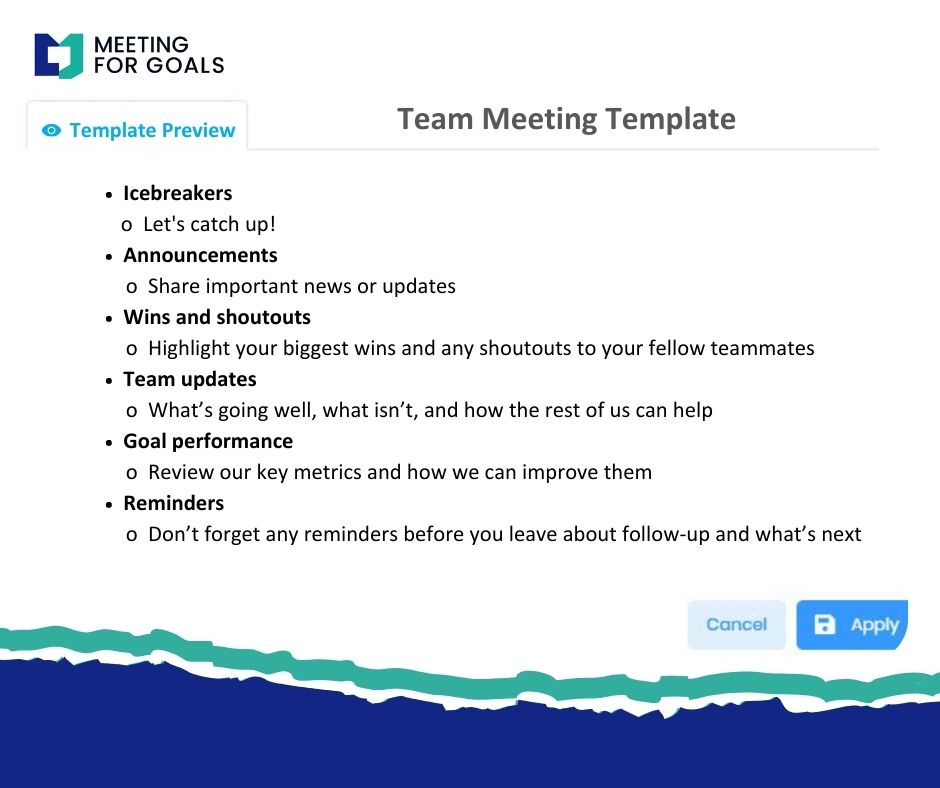
- A senior leader like a Director, VP, or C-suite executive
- An employee who reports to someone between them and the senior leader
- Occasionally, an HR partner or note-taker (though this is optional)
Meetings can be one-on-one or in small groups, depending on the size of the team and the goals of the meeting.
How Skip Level Meetings Differ from Other Meetings
Skip level meetings are not the same as regular one-on-ones, team meetings, or all-hands sessions.
- One-on-ones: Regular check-ins between an employee and their direct manager
- Team meetings: Collaborative sessions focused on project updates and tasks
- All-hands: Company-wide meetings led by executives to share high-level updates
What makes skip level meetings unique is the direct connection between leadership and employees. These conversations provide unfiltered insights and help leaders stay grounded in the day-to-day realities of their teams.
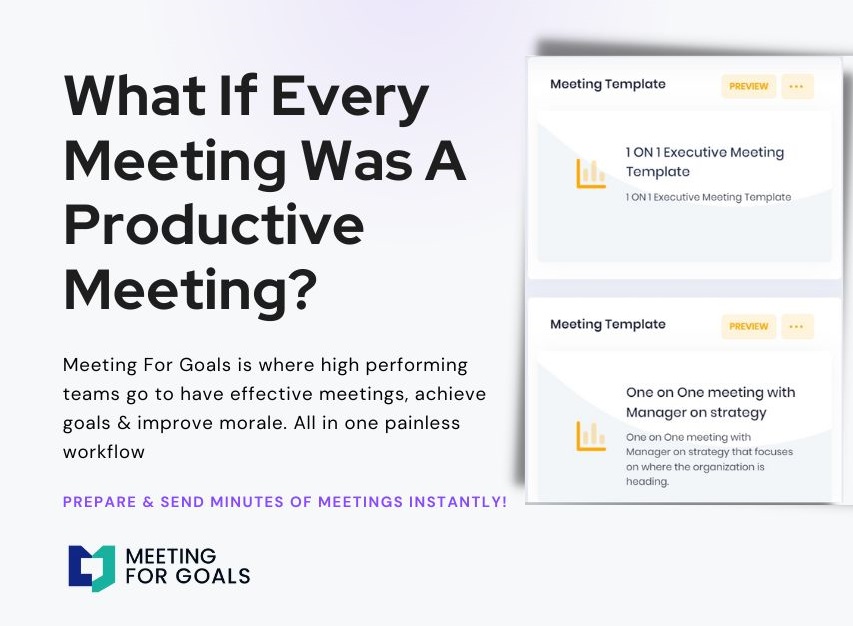
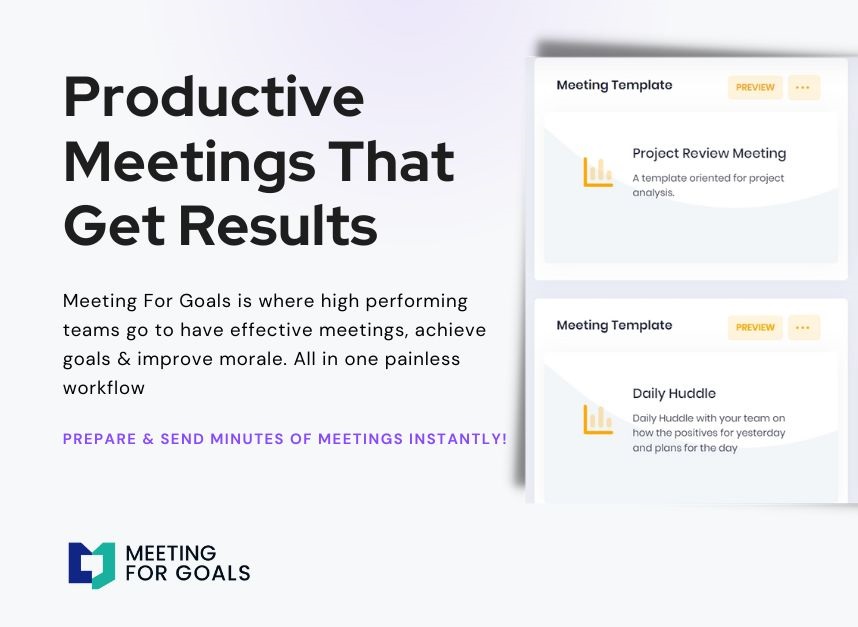
Want to streamline your skip level meetings? Check out our free meeting templates at https://meetingforgoals.com/meeting_templates
Objectives of Skip Level Meetings
- Encouraging Open Communication
Skip level meetings create a safe space for employees to share their thoughts, ideas, and concerns directly with leadership. This open dialogue can lead to greater employee engagement and a stronger sense of belonging. When employees feel heard, they’re more likely to contribute meaningfully and stay motivated.
- Identifying and Addressing Issues Early
Senior leaders often don’t hear about problems until they’ve grown into major issues. Skip level meetings act as an early warning system. For example, an employee might mention that a new process is slowing them down or that team morale is dipping. Leaders can then take action before these issues escalate.
- Building Trust and Relationships
Taking the time to meet with employees at all levels sends a powerful message: leadership cares. These meetings help break down barriers, humanize executives, and foster mutual respect. Over time, this builds a more cohesive and collaborative company culture.
- Gaining Insights into Team Morale and Culture
Want to know how your company culture really feels on the ground? Ask the people living it every day. Skip level meetings offer a window into team dynamics, morale, and whether your company values are truly being lived out.
Meeting For Goals includes built-in tools to capture and track feedback from these meetings, so nothing gets lost and you can take meaningful action.
Benefits of Implementing Skip Level Meetings
- Fostering Innovation and New Ideas
Employees on the front lines often see opportunities for improvement that leadership might miss. Skip level meetings give them a platform to share these ideas. You might discover a faster way to serve customers, a new product feature, or a better internal system—all from a simple conversation. According to a report by McKinsey, companies that actively gather employee feedback and act on it are 4.6 times more likely to outperform their peers.
- Enhancing Transparency and Reducing Silos
Departments can become isolated, especially in mid-sized organizations. This leads to miscommunication and inefficiencies. Skip level meetings help break down these walls by encouraging cross-level conversations. Employees learn more about the bigger picture, and leaders stay informed about what’s really happening on the ground.
- Opportunities for Career Development and Mentorship
When employees interact with senior leaders, they gain exposure to different perspectives and potential mentorship opportunities. These meetings can spark conversations about career growth, skill development, or future leadership roles. Leaders also get a chance to spot high-potential talent early and invest in their development.
- Strengthening Alignment to Company Goals
Skip level meetings are a great way to reinforce your company’s mission and strategic direction. Leaders can use these conversations to connect the dots between daily work and broader goals. This helps employees understand how their efforts contribute to the company’s success. With Meeting For Goals, you can align every meeting agenda with your company’s objectives, making sure each conversation drives progress.
Best Practices for Conducting Effective Skip Level Meetings
- Prepare in Advance
Preparation is key. Leaders should review the employee’s role, recent work, and any relevant data. Employees should be encouraged to bring up topics they care about—whether it’s challenges, wins, or ideas. Meeting For Goals allows you to create and share agendas ahead of time, so everyone comes ready to have a productive conversation.
- Create a Safe and Open Environment
Employees need to feel safe being honest. Leaders should make it clear that the meeting is a judgment-free space and that all feedback is welcome. It’s also helpful to let employees know their direct manager supports the meeting. This builds trust and removes any sense of secrecy.
- Structure the Meeting for Productivity
While the tone should be conversational, a clear structure helps keep things focused. Here’s a simple format:
- Welcome and purpose of the meeting
- Open-ended questions about the employee’s experience
- Discussion of any challenges or opportunities
- Feedback on leadership, culture, or processes
- Wrap-up with action items or follow-ups
Our platform makes it easy to document these conversations and assign follow-ups so nothing slips through the cracks.
- Use Meeting For Goals Tools
Meeting For Goals is built to make skip level meetings more effective. With features like agenda templates, goal alignment tools, and follow-up tracking, you can ensure every meeting drives real value. You can also use our analytics to spot trends across multiple meetings—whether it’s recurring concerns, standout ideas, or common themes.
Want to see how it works? Explore our templates here: https://meetingforgoals.com/meeting_templates
- Follow Up and Close the Loop
One of the biggest mistakes leaders make is not following up after a skip level meeting. If employees take the time to share feedback, they want to know it was heard. Even if you can’t act on every suggestion, closing the loop shows respect and builds trust. Let employees know what steps are being taken—or explain why something can’t change right now. This transparency strengthens relationships and encourages future participation.
Conclusion
Skip level meetings are more than just a nice-to-have—they’re a powerful way to boost communication, build trust, and align your team with your company’s mission.
For companies with 40 to 70 employees, these meetings can be a game-changer. They help you stay agile, responsive, and connected as your organization grows.
By encouraging open dialogue, surfacing valuable insights, and fostering a culture of transparency, skip level meetings can significantly improve both performance and morale.
And with the right tools, like Meeting For Goals, you can make sure these meetings aren’t just productive, but strategic.
Ready to start making every meeting count? Sign up today: https://app.meetingforgoals.com/TenantRegistration/Register
Or explore our free meeting templates to get started: https://meetingforgoals.com/meeting_templates
For more tips and tools to run better meetings, visit us at https://meetingforgoals.com
Take the first step toward more effective leadership. Implement skip level meetings and unlock the full potential of your team.