
Sample Meeting Minutes – Your Roadmap to Effective Meetings
In today’s fast-paced business world, meetings are everywhere. However, how many of them actually lead to action? At Meeting For Goals, we believe the secret to productive meetings lies in one simple tool: effective meeting minutes.
If you’re looking to make your meetings more focused, results-driven, and aligned with your company’s goals, you’re in the right place. In this guide, we’ll walk you through the purpose of meeting minutes, what to include, best practices, and how to use them as a strategic asset.
Before we dive in, check out our free collection of meeting templates to help you get started: https://meetingforgoals.com/meeting_templates
Introduction
Meetings are where decisions are made, ideas are shared, and strategies are born. But without a clear record of what happened, even the best meetings can become forgettable.
That’s where meeting minutes come in. Think of them as your team’s accountability roadmap. They capture what was discussed, who’s responsible for what, and when things are due.
At Meeting For Goals, we help teams streamline their meetings with tools that make capturing and sharing minutes effortless. Whether you’re a Director, VP, or part of the C-suite leading a team of 40 to 70 people, this guide will show you how to turn your meetings into a launchpad for action.
Want to experience the power of structured meetings? Sign up and start your free trial today: https://app.meetingforgoals.com/TenantRegistration/Register
2 Minute Video
Watch a 2 minute demo of our meeting management software in action
Section 1: The Purpose of Meeting Minutes
Let’s clear something up: meeting minutes are not just notes. They’re strategic tools that help transform conversations into commitments. Here’s why they matter:
- They summarize what was discussed and decided.
- They document who’s responsible for follow-ups.
- They serve as a reference point for future planning.
- They promote transparency and consistency across teams.
Imagine a VP of Sales and a Director of Product meeting to agree on a new launch timeline. Without written minutes, each person might walk away with a different understanding. However, when you document the decision, there’s no room for misinterpretation.
In high-stakes environments, clarity is everything. Meeting minutes provide that clarity. They ensure everyone is on the same page and that nothing slips through the cracks.
Moreover, according to the Harvard Business Review, clear documentation of meetings can significantly improve team accountability and execution. That’s a big deal in today’s remote and hybrid work settings.
At Meeting For Goals, we’ve seen how structured minutes can elevate team performance. Our platform helps you capture decisions, assign action items, and track follow-through—all in one place.
In short, the purpose of meeting minutes goes beyond documentation. They’re about alignment, execution, and driving results.
Adding an Agenda
How to add an agenda instantly on Meeting For Goals
Section 2: Key Components of Meeting Minutes
Great meeting minutes follow a consistent format, making them easier to write, read, and act on. Here’s what every set of effective meeting minutes should include:
- Date and Time of the Meeting: Provides context for the decisions made and helps track timelines.
- Attendees and Absentees: Identifies who was present and who missed it, aiding accountability and follow-up.
- Agenda Items Discussed: Lists each agenda item to keep the meeting focused and organized.
- Key Decisions Made: Clearly outlines what was agreed upon—these are your meeting’s outcomes.
- Action Items and Responsible Parties: Specifies what needs to be done, who’s doing it, and by when.
- Next Meeting Details: Includes the next meeting’s date, time, and possibly a draft agenda.
Here’s an example:
Sample Meeting Minutes
- Date: June 5, 2024
- Time: 10:00 AM – 11:00 AM
- Location: Zoom
- Facilitator: Jane Doe, VP of Operations
- Note Taker: John Smith, Executive Assistant
Attendees:
- Jane Doe
- Mark Lee
- Sarah Kim
- Carlos Rivera
Absentees:
- Emily Chen (on PTO)
Agenda Items Discussed:
- Q3 Sales Targets
- Product Launch Timeline
- Budget Reallocation
Key Decisions Made:
- Approved revised Q3 sales targets.
- Delayed product launch by two weeks.
- Reallocated $50,000 from Marketing to R&D.
Action Items:
- Mark to update sales forecast by June 10.
- Sarah to revise launch plan by June 12.
- Carlos to adjust budget and notify Finance by June 9.
Next Meeting:
- Date: June 19, 2024
- Time: 10:00 AM
- Agenda: Review updated forecasts and launch plan
Using a consistent format like this ensures nothing falls through the cracks. With Meeting For Goals, you can automate much of this process, saving time and boosting accuracy.
Section 3: Best Practices for Taking Meeting Minutes
Taking great meeting minutes isn’t just about typing fast. It’s about knowing what to capture and how to present it. Here are some best practices to help you master the art:
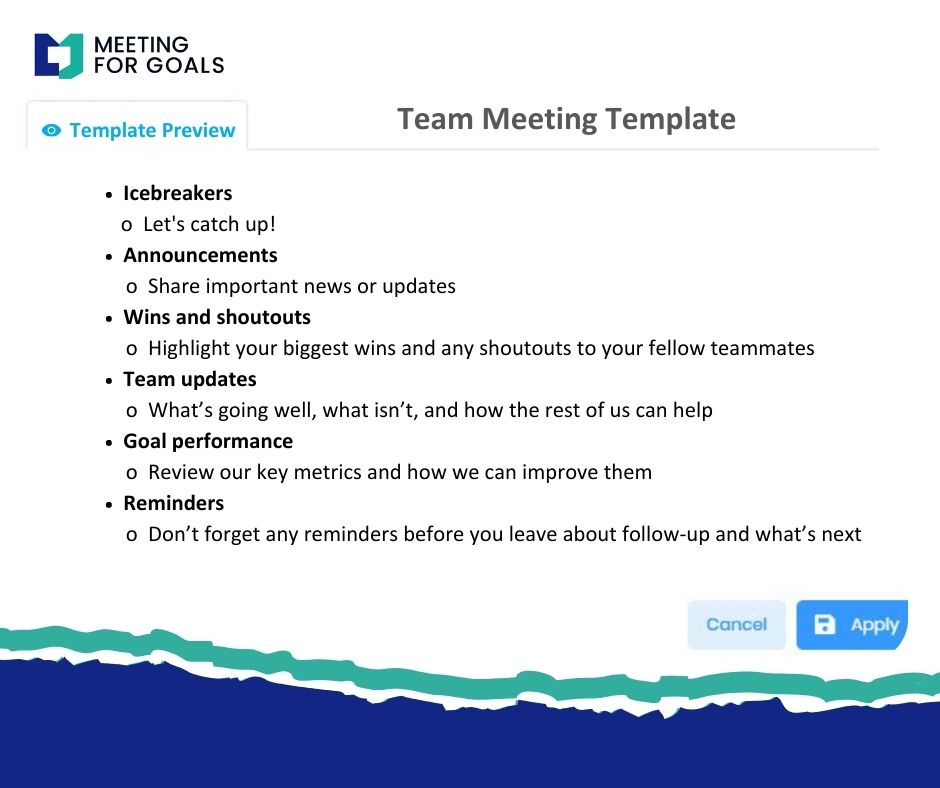
- Use a Standard Template: A consistent format saves time and ensures key elements aren’t missed. Try our free meeting templates to get started: https://meetingforgoals.com/meeting_templates
- Focus on What Matters: Don’t try to capture every word. Focus on decisions, action items, and key takeaways.
- Assign Clear Responsibilities: Avoid vague phrases like “team to review.” Be specific: “Carlos to review proposal by June 15.”
- Highlight Decisions: Use bold text or bullet points to make decisions stand out. This makes it easy to scan and reference later.
- Keep It Concise: Aim for clarity. Use short sentences and avoid jargon or personal opinions.
- Share Minutes Quickly: Distribute minutes within 24 hours. The sooner they’re shared, the more likely people are to act on them.
- Use Tools That Help: Meeting For Goals allows you to take minutes in real-time, assign tasks, and send reminders—all within one platform.
- Double-Check for Accuracy: Review the minutes with the meeting facilitator to confirm accuracy before sending them out.
With these practices, your meeting minutes will become more than just notes—they’ll become a tool for execution.
Section 4: Using Meeting Minutes to Enhance Accountability
Let’s face it—accountability is everything in business. Meeting minutes are one of the best ways to build it. Here’s how they help:
- Clear Task Ownership: When someone’s name is next to a task, it’s clear who’s responsible. No more “I thought someone else was doing that.”
- Transparent Follow-Up: Sharing minutes with the whole team creates visibility. Everyone knows who’s doing what and when.
- Progress Tracking: At the start of each meeting, review past minutes. What’s done? What’s still pending? This keeps momentum going.
- Performance Insights: Over time, you’ll see patterns. Are certain tasks always late? Are some team members overloaded? Use this data to improve performance.
- Leadership Alignment: For executives managing multiple departments, minutes offer a snapshot of team activities. This helps align goals across the organization.
- Legal Protection: In industries with strict regulations, accurate meeting minutes can serve as legal documentation of decisions and due diligence.
At Meeting For Goals, we take this a step further. Our software turns action items into tasks with built-in deadlines and reminders. That means nothing gets forgotten—and everything gets done.
Want to see how easy it is? Sign up for a free trial: https://app.meetingforgoals.com/TenantRegistration/Register
Section 5: Leveraging Meeting Minutes for Future Planning
Meeting minutes aren’t just about looking back. They’re also a powerful tool for planning ahead. Here’s how to use them strategically:
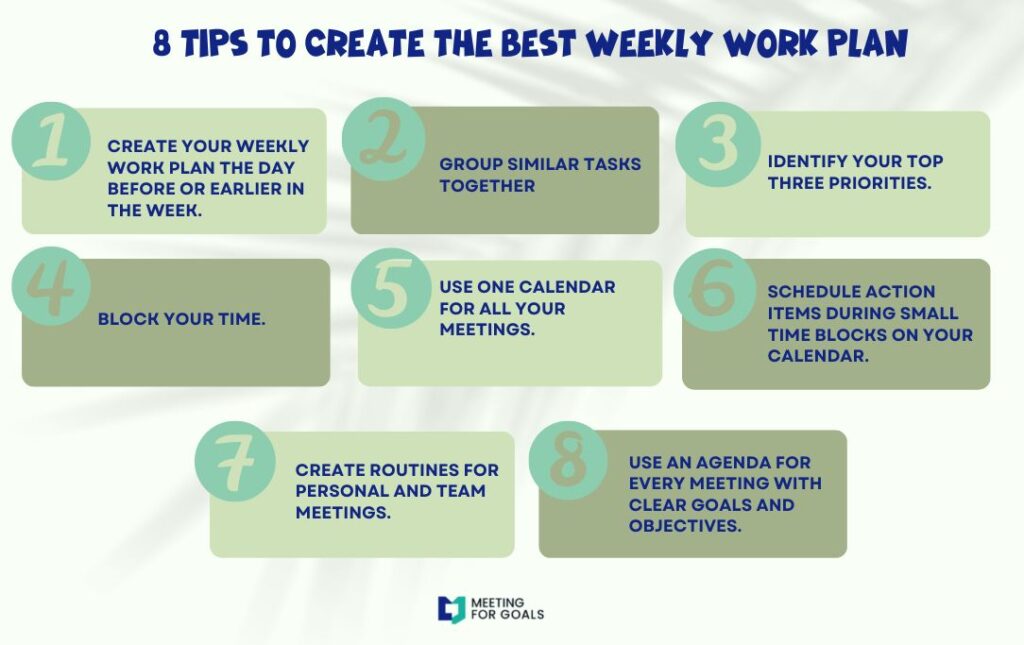
- Build Smarter Agendas: Review previous minutes to identify what needs follow-up. This helps you create focused, relevant agendas.
- Align with Company Goals: Tag action items and agenda topics to strategic objectives. This keeps everyone moving in the same direction.
- Improve Processes: If the same issue keeps coming up, it’s time to fix the process. Meeting minutes help you spot these patterns.
- Create a Knowledge Base: Minutes serve as a searchable archive of team decisions. New team members can get up to speed quickly by reviewing past meetings.
- Foster Cross-Team Collaboration: Sharing minutes across departments helps everyone see the big picture. It encourages teamwork and prevents duplication.
- Support Executive Oversight: For leaders managing multiple teams, minutes offer a high-level view of progress. This helps with resource planning and strategic forecasting.
Want to see how this works in real-time? Visit https://meetingforgoals.com to explore our platform. Also, check out this article from Atlassian on how to run effective meetings—it’s packed with practical tips that complement what we’ve shared here.
Conclusion
Meetings don’t have to be a waste of time. With clear, actionable meeting minutes, they can become your team’s secret weapon for execution and alignment.
At Meeting For Goals, we help teams turn meetings into momentum. Our platform makes it easy to capture key outcomes, assign responsibilities, and align every discussion with your company’s goals.
Whether you’re leading a small team or managing multiple departments, implementing effective minute-taking practices is one of the easiest ways to boost productivity and accountability.
Ready to make every meeting count? Try Meeting For Goals today: https://app.meetingforgoals.com/TenantRegistration/Register
And don’t forget to check out our library of free meeting templates to get started: https://meetingforgoals.com/meeting_templates
Let’s turn your next meeting into a launchpad for action. Visit https://meetingforgoals.com and see the difference for yourself.