One-on-One Meetings: The Secret Weapon of High-Performing Teams
In the fast-paced world of growing companies, where teams range from 40 to 70 employees, productivity often hinges on the quality of communication. One-on-one meetings are one of the most underused yet powerful tools for improving performance, boosting morale, and aligning individuals with company goals.
But here’s the catch—not all one-on-ones are created equal. When done poorly, they turn into repetitive status updates. When done right—and supported by tools like MeetingForGoals—they become strategic moments that drive growth and accountability.
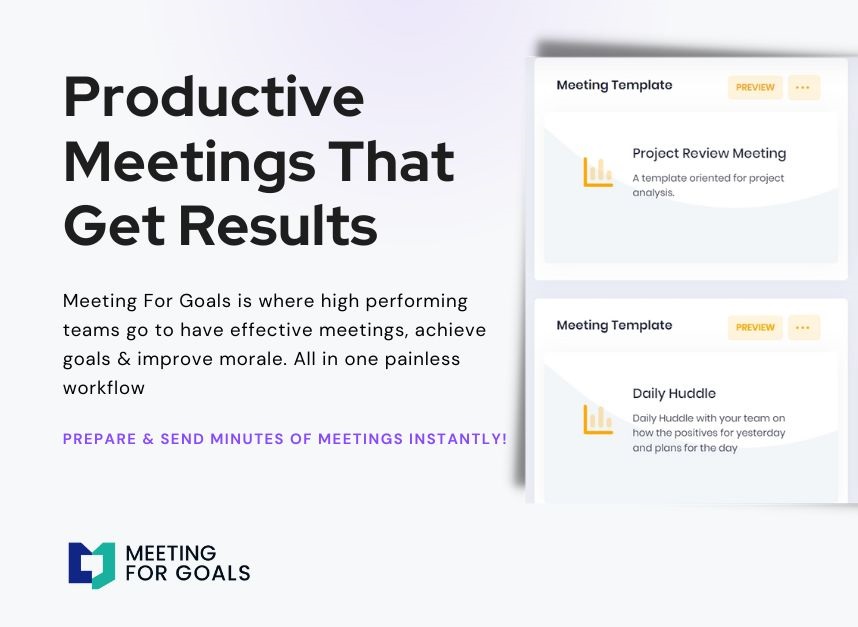
In this article, we’ll walk you through the real value of one-on-one meetings, how to set them up for success, and how MeetingForGoals can help you make the most of every conversation. Ready to upgrade your leadership strategy? Start by signing up for free at https://app.meetingforgoals.com/TenantRegistration/Register and explore our free meeting templates at https://meetingforgoals.com/meeting_templates to get started.
2 Minute Video
Watch a 2 minute demo of our meeting management software in action
II. Understanding the Value of One-on-One Meetings
Building Relationships That Drive Engagement Great teams are built on strong relationships. The relationship between a manager and their direct reports plays a huge role in how engaged employees feel.
According to Gallup, managers influence 70% of the variance in employee engagement. That’s a staggering number—and one-on-ones are your best tool to make that influence positive. These meetings give you a consistent space to:
- Show empathy and support
- Understand what motivates your team
- Learn how each person prefers to communicate
When employees feel seen and heard, they’re more likely to stay motivated and committed.
Enhanced Communication and Transparency Unlike group meetings, one-on-ones create a safe space for open, honest conversations. Team members can speak freely without fear of being judged or overlooked. This kind of communication helps you:
- Uncover hidden issues early
- Clarify expectations and priorities
- Encourage upward feedback
- Keep everyone aligned
Using a tool like MeetingForGoals, you can document conversations, track progress, and ensure nothing gets lost in the shuffle.
Supporting Personal and Professional Development One-on-ones aren’t just about tasks—they’re about people. These meetings are a great opportunity to support your team’s growth and development. Use the time to:
- Set career goals
- Identify training or mentorship needs
- Recognize achievements
- Explore stretch projects or new responsibilities
When employees see that you’re invested in their growth, they’re more likely to stick around and give their best. MeetingForGoals makes it easy to track development plans and follow up regularly—not just once a year during performance reviews.
Adding an Agenda
How to add an agenda instantly on Meeting For Goals
III. Setting Goals for One-on-One Meetings
Aligning Individual Goals with Company Objectives Want your one-on-ones to really move the needle? Align them with your company’s bigger goals. When every conversation ties back to strategic objectives, employees can see how their work contributes to the company’s success.
For example, if your quarterly goal is to improve customer retention, your one-on-one with a Customer Success Manager might focus on improving onboarding or reducing churn. MeetingForGoals helps you connect individual goals to company OKRs, making alignment simple and seamless.
Creating SMART Goals for Each Meeting To make your meetings productive, set SMART goals:
- Specific: What exactly needs to be done?
- Measurable: How will you track progress?
- Achievable: Is it realistic within the timeframe?
- Relevant: Does it support business objectives?
- Time-bound: When should it be completed?
Instead of saying, “Improve customer follow-up,” try: “Send follow-up emails to all new clients within 48 hours of onboarding, starting this week.” SMART goals keep meetings focused and outcomes-driven.
Leveraging MeetingForGoals for Goal Setting With MeetingForGoals, goal setting becomes effortless. You can:
- Use built-in templates to set goals quickly
- Link goals to specific meetings or projects
- Assign due dates and track progress
- Generate reports for performance reviews
No more forgotten tasks or vague to-do lists. Just clear, measurable goals that drive real results.
IV. Best Practices for Conducting One-on-One Meetings
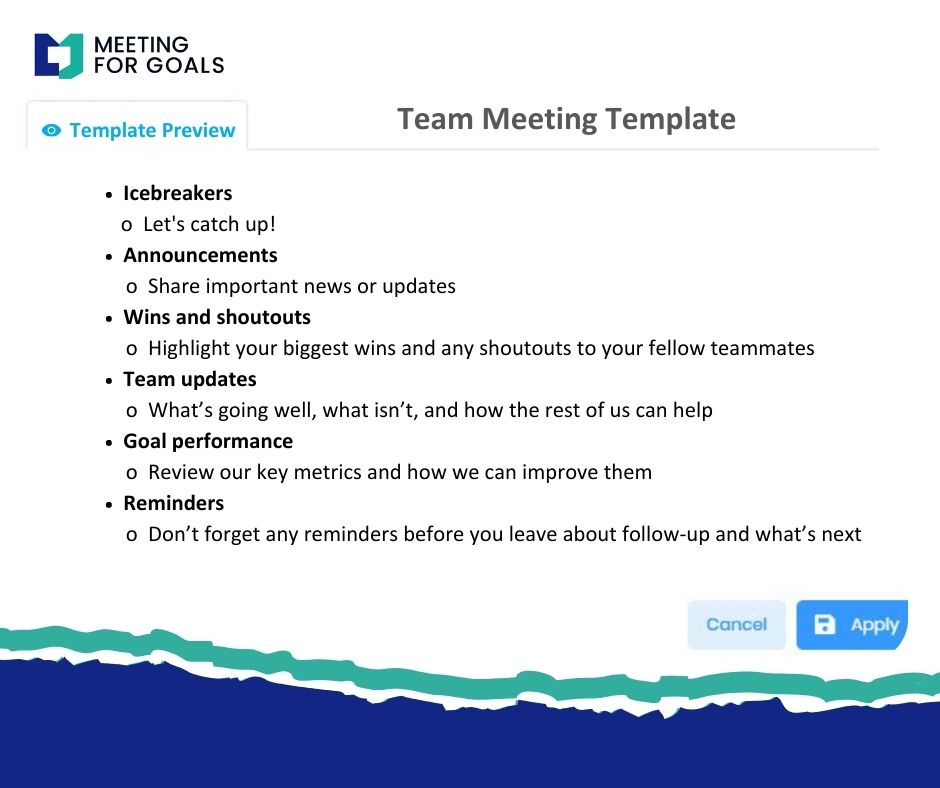
Preparation is Key The best one-on-one meetings don’t happen on the fly. A little prep goes a long way. Both managers and employees should come prepared with:
- Updates on current projects
- Challenges or blockers
- Feedback to share
- Career development topics
- A review of goals and action items
MeetingForGoals lets you create and share agendas ahead of time, so everyone’s on the same page from the start.
Create a Comfortable Environment For one-on-ones to be effective, employees need to feel safe and respected. Here’s how to create that environment:
- Choose a quiet, private space (or secure digital platform)
- Be fully present—no phones or distractions
- Start with a quick personal check-in
When people feel safe, they open up. That’s when the real progress happens.
Active Listening and Engagement Listening is more than just hearing—it’s about understanding. During your one-on-ones:
- Ask open-ended questions
- Paraphrase to confirm understanding
- Avoid interrupting
- Take notes
MeetingForGoals makes note-taking and follow-up easy, so you can stay focused on the conversation.
Follow-Up and Accountability Every meeting should end with clear next steps. Use MeetingForGoals to:
- Assign tasks from your notes
- Set deadlines and reminders
- Track progress between meetings
This follow-up builds accountability and keeps everyone moving forward.
V. Common Challenges and Solutions
Time Constraints and Scheduling Conflicts Let’s face it—everyone’s busy. But skipping one-on-ones can lead to bigger problems like missed goals or low morale. To stay consistent:
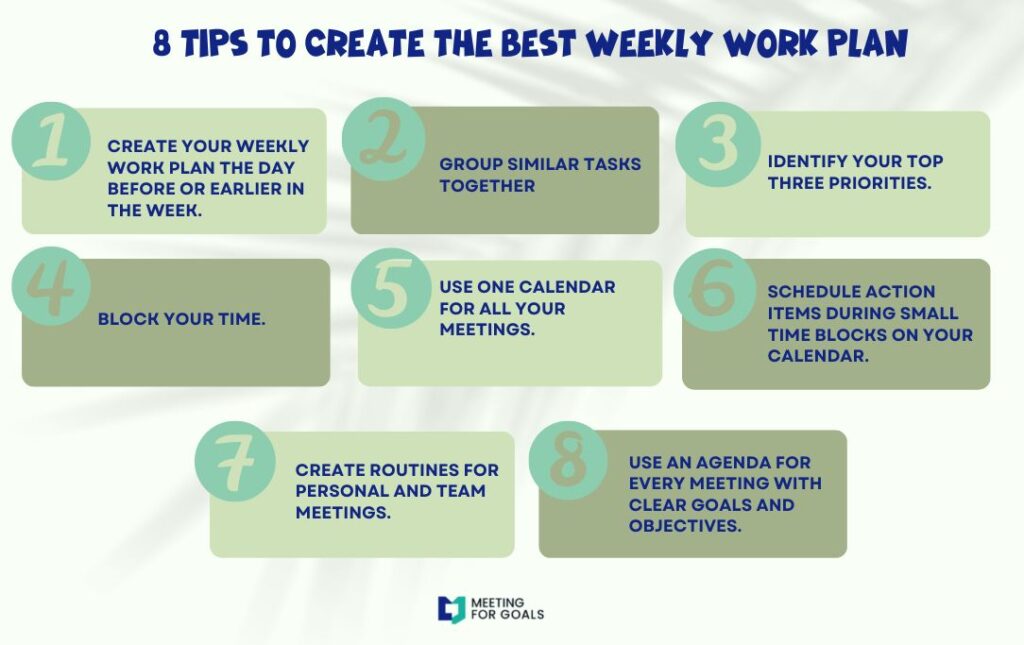
- Block recurring time slots on the calendar
- Keep meetings short (15–30 minutes)
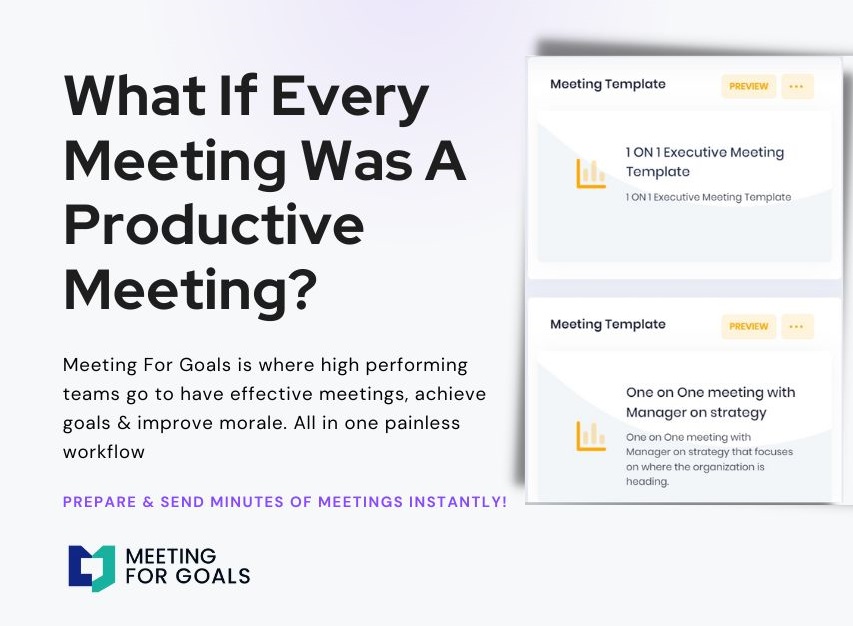
- Use MeetingForGoals to streamline prep and follow-up
A little structure goes a long way in making these meetings stick.
Handling Difficult Conversations Not every one-on-one will be easy. Sometimes you’ll need to talk about performance issues, conflict, or sensitive topics. Handle these conversations with empathy and clarity:
- Focus on specific behaviors, not personalities
- Use data or examples
- Invite the employee’s perspective
- Collaborate on next steps
MeetingForGoals helps you document these conversations and track follow-ups, so nothing gets missed and accountability is clear.
Maintaining Accountability Over Time Without a system, it’s easy for action items to fall through the cracks. MeetingForGoals solves this with:
- Task tracking
- Automated reminders
- Progress dashboards
You can see at a glance who’s doing what—and what still needs attention. That’s how you build a culture of ownership and follow-through.
VI. Conclusion
Recap: Why One-on-Ones Matter One-on-one meetings aren’t just another item on your calendar—they’re a powerful tool for building trust, driving performance, and keeping your team aligned. When done right, they help you:
- Strengthen relationships
- Uncover roadblocks early
- Support career development
- Reinforce goals and values
Implement Best Practices with MeetingForGoals Want to get the most out of your one-on-ones? Follow these steps:
- Prepare with clear agendas and SMART goals
- Create a safe, engaging environment
- Track action items and follow up consistently
MeetingForGoals makes it all easy. From agenda creation to progress tracking, our platform helps you turn every meeting into a productive, results-driven conversation.
Call to Action Ready to transform your one-on-one meetings into a strategic advantage? Sign up today at https://app.meetingforgoals.com/TenantRegistration/Register. Explore our free meeting templates at https://meetingforgoals.com/meeting_templates. Visit https://meetingforgoals.com to learn how we’re helping high-performing teams like yours make every meeting count. Don’t just meet. Meet with purpose. Let’s make every conversation count.